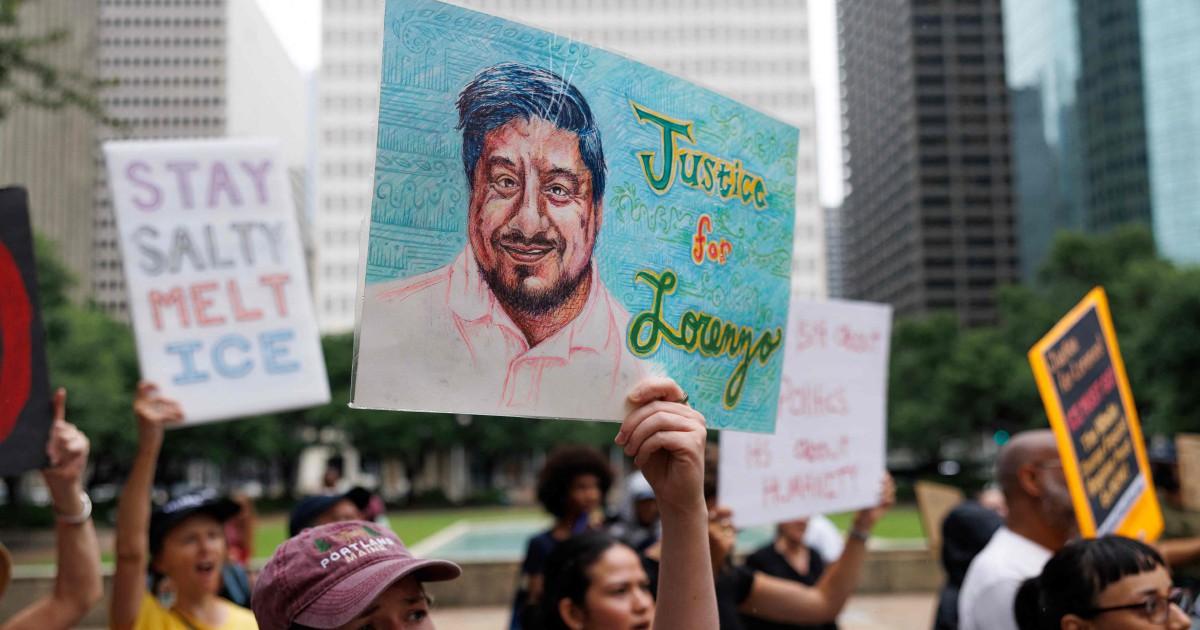
United Nations human rights experts have issued a formal call for independent investigations into claims that authorities improperly restricted protests in Mexico during the recent World Cup tournament. The experts, speaking from Geneva, expressed concern that demonstrations meant to bring attention to the country's endemic disappearance problem were subject to undue governmental interference, raising questions about freedom of assembly and expression in the host nation.
Mexico's crisis of disappearances represents one of Latin America's most pressing humanitarian challenges. Tens of thousands of people have vanished under circumstances that remain unexplained, with families left searching desperately for answers and authorities often failing to conduct thorough investigations. The scale of the tragedy means that any opportunity to raise global awareness—such as during a major international event—carries significant weight for advocacy groups and bereaved families seeking justice and accountability.
The World Cup provided an unprecedented platform for Mexico's civil society organisations and human rights advocates to place the disappearance crisis squarely before international media and global audiences. Families of the missing, activists, and civil society groups seized this moment to organise protests and demonstrations, viewing the tournament as a critical window to internationalise their cause and pressure their government to act more decisively on investigations and victim support.
However, according to the UN experts' allegations, these protest activities encountered obstacles that went beyond normal security arrangements. The characterisation of the interference as "undue" suggests that any restrictions went beyond what might be justified by legitimate public order concerns, extending instead into suppression of legitimate advocacy. Such allegations, if substantiated, would represent a troubling pattern of constraining freedom of assembly—a cornerstone right in any democratic society.
The timing of these concerns is significant for several reasons. First, it demonstrates that even when host nations are under global scrutiny during major sporting events, restrictions on civil liberties can still occur. Second, it highlights how even international visibility does not automatically guarantee space for dissent and activism. Third, it underscores the vulnerability of marginalised groups—in this case, families of disappeared persons—whose voices are frequently sidelined in favour of narratives that emphasise national pride and sporting celebration.
For Malaysian observers, Mexico's situation offers important lessons about the challenges of protecting fundamental rights during periods of heightened national attention. Malaysia has hosted major international events and continues to navigate questions about balancing security concerns with freedom of expression. The experiences documented in Mexico during the World Cup provide concrete examples of how such balancing acts can be conducted improperly, with consequences for public trust and international standing.
The UN experts' intervention reflects a broader pattern of international scrutiny regarding Mexico's human rights record. Beyond disappearances, the country faces ongoing challenges related to impunity, inadequate investigations, and insufficient victim support mechanisms. When governments restrict the ability of civil society to highlight such crises, they compound the original harm by silencing those most affected and preventing accountability mechanisms from functioning properly.
Investigations into alleged protest interference are crucial for establishing accountability and setting precedents about acceptable government conduct. Independent probes can determine whether specific restrictions were justified by legitimate security concerns or whether they represented arbitrary suppression of political expression. Such clarity matters not only for Mexico but for the international community's understanding of how host nations of major events should behave toward dissenting voices.
The UN experts' call also reflects evolving international norms around human rights during major sporting events. The football World Cup attracts billions of viewers and enormous media attention, creating unique opportunities for activism. However, this same visibility can prompt authorities to over-control public spaces, fearing that negative stories about human rights challenges might tarnish the nation's international image. The experts' intervention sends a message that such image management, if pursued through suppressing legitimate protests, violates international standards.
For Mexico, the broader implications extend to victim support and transitional justice mechanisms. Families seeking answers about disappeared relatives need space to organise, protest, and demand accountability. When such activities face interference, it sends a message that the state is less interested in addressing historical injustices than in managing public perception. This dynamic undermines trust and can perpetuate cycles of impunity that allow serious abuses to continue unchecked.
The experts' recommendation for impartial investigations creates an opportunity for Mexican authorities to demonstrate commitment to international human rights standards. By voluntarily investigating any instances of improper interference and holding officials accountable, the government could rebuild credibility with both domestic civil society and the international community. Conversely, failing to investigate rigorously may reinforce concerns about governmental commitment to fundamental freedoms.
Regionally, Southeast Asian nations should note how international bodies increasingly scrutinise government conduct during major events and how host nation status does not provide immunity from human rights accountability. The precedent established by how Mexico responds to these UN concerns will likely influence expectations for future World Cups and other mega-events hosted by countries in the region.
Ultimately, the UN experts' intervention highlights an uncomfortable truth: major sporting events can become occasions for both celebrating human achievement and silencing human suffering. Mexico's World Cup hosts a profound paradox—a global stage that could amplify the voices of the disappeared and their families, but potentially constrained by authorities concerned with presenting a particular national narrative to the world.

