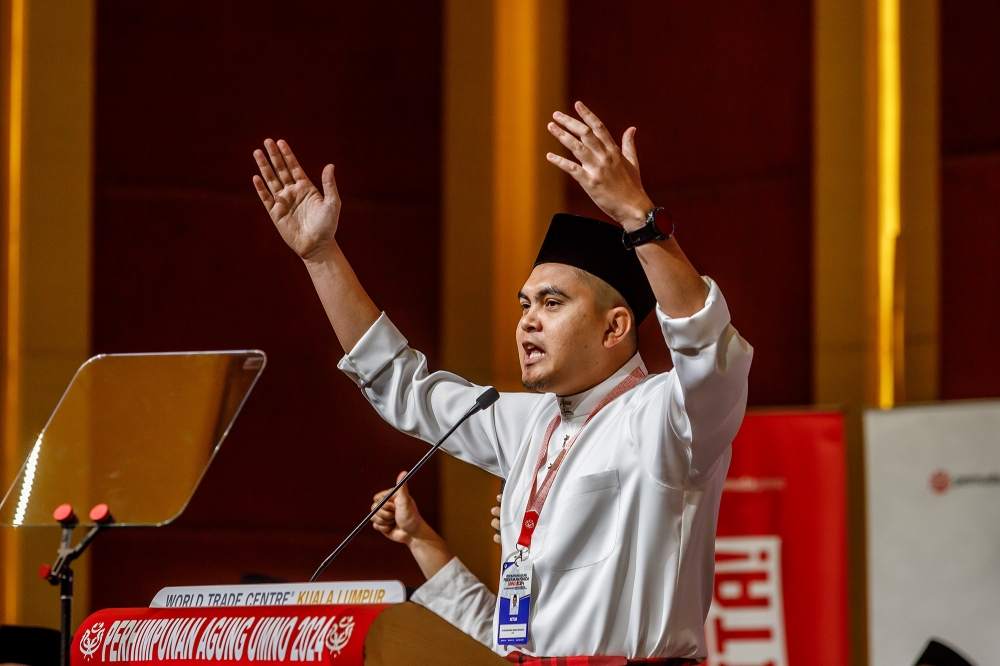
Malaysia's coalition politics has entered new turbulent waters as Umno Youth leader Datuk Dr Akmal Saleh openly questioned the fairness of pressure being exerted on Barisan Nasional to exit the federal administration over disagreements regarding election alliances. His intervention signals deepening tensions within the ruling government and raises uncomfortable questions about the standards being applied to different political groupings.
The dispute centres on a fundamental tension in Malaysian politics: how coalition partners should navigate divergent interests, particularly during election cycles when seat allocations and candidate selection become flashpoints for internal conflict. Umno Youth's challenge implies that similar pressures have not been applied with equal force to Pakatan Harapan's component parties despite comparable situations emerging within the opposition coalition.
This rhetorical escalation matters because it touches on a core principle of democratic governance in Malaysia — the question of whether ruling coalitions operate under different rules than opposition pacts. If such disparity exists, it would suggest that political leverage and media narrative control play outsized roles in shaping expectations of coalition behaviour, regardless of actual conduct or comparative circumstances.
Umno Youth's position reflects broader Barisan concerns about legitimacy and perception. The youth wing's challenge implicitly argues that if maintaining government office is contingent upon total alignment with coalition partners' preferences on electoral matters, then identical standards should logically apply to all political combinations. The absence of such standards, Umno Youth contends, reveals inconsistency in how Malaysian political discourse evaluates coalition stability.
The timing of this challenge deserves scrutiny. Coalition governments worldwide regularly manage tensions between constituent parties without automatically triggering demands for withdrawal from power. Yet in Malaysia's hypercharged political environment, such disagreements often become ammunition in broader power struggles. Umno Youth's public questioning may reflect calculation that framing the issue as one of fairness could shift public and media perception.
Packatan Harapan's response to these assertions will be revealing. The opposition coalition has experienced its own partnership difficulties, particularly regarding seat allocations in various state-level contests and federal selections. Whether Pakatan Youth will acknowledge comparable pressures and disagreements or maintain that the situations differ fundamentally will indicate how seriously both coalitions take principles of consistent application in political standards.
For Malaysian voters and observers, this exchange illuminates how coalition politics functions beyond official statements and ceremonial unity. It demonstrates that ruling and opposition coalitions operate within different narrative frameworks, where the media, public opinion, and political opponents subject them to varying degrees of scrutiny and pressure. Understanding these asymmetries is essential for comprehending Malaysian political behaviour.
The substance underlying Umno Youth's challenge also warrants examination. Coalition disagreements over electoral pacts are inherently destabilising because they threaten the core interest of each partner — access to power and resources. When such disagreements surface, as they inevitably do, the question becomes whether coalitions can accommodate internal differences without institutional collapse. Malaysia's history suggests this accommodation is possible but always precarious.
The implication for Southeast Asian coalition politics is noteworthy. Malaysia is not unique in experiencing such tensions, but the region's comparative difficulty in maintaining stable multi-party coalitions suggests that dispute resolution mechanisms remain underdeveloped. Umno Youth's challenge, however politically motivated, raises legitimate questions about consistency in how democratic societies judge coalition behaviour.
Going forward, this exchange may presage more intense public scrutiny of Pakatan's internal cohesion. If Umno Youth succeeds in reframing the narrative around coalition fairness, it could influence how subsequent disagreements are perceived and discussed. The opposition may find itself facing increased expectations to clarify its position on the very electoral alliance issues causing friction within Barisan.
Ultimately, Umno Youth's challenge reflects a sophisticated political strategy: by questioning the fairness of standards applied to different coalitions, the youth wing attempts to shift debate from specific alliance disputes to broader questions of consistency and principle. Whether this rhetorical move gains traction depends heavily on whether independent observers and media outlets agree that comparable situations warrant comparable treatment.

