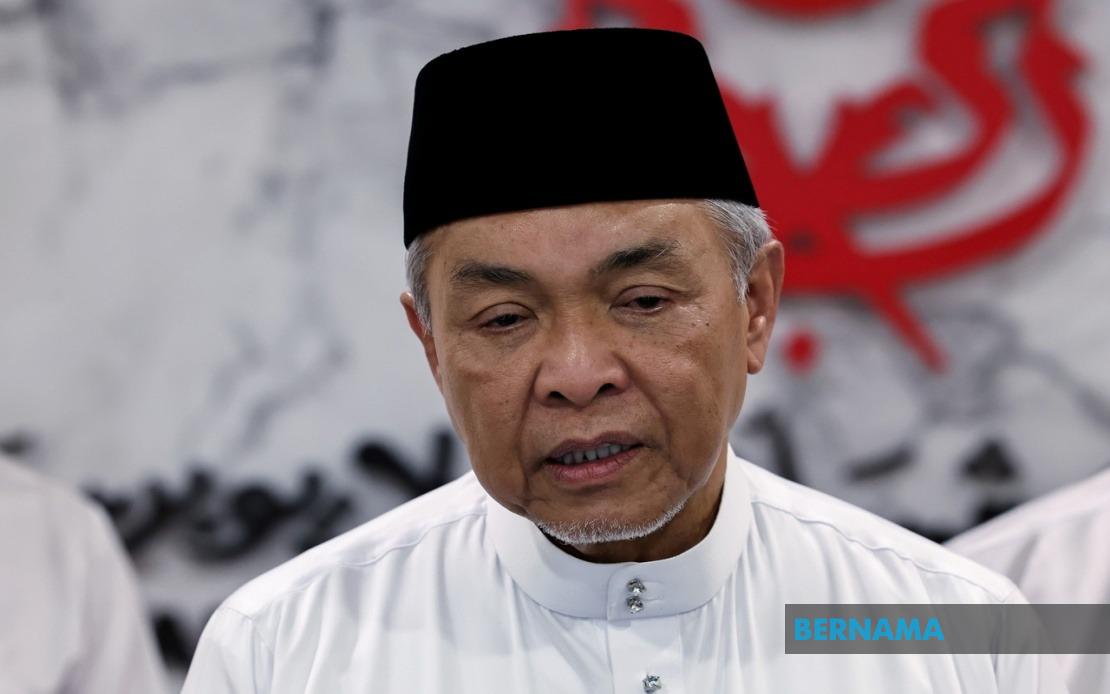
UMNO has signalled its intention to launch formal negotiations on possible electoral cooperation for the upcoming Melaka state election, but only after the state legislative assembly undergoes dissolution. The party's president, Datuk Seri Dr Ahmad Zahid Hamidi, made this announcement during a media interaction in Kuala Lumpur on August 30, clarifying the timing and parameters of any future discussions with potential coalition partners. The measured stance reflects UMNO's strategic approach to managing coalition negotiations at the state level whilst maintaining internal party discipline and formal procedures.
Responding to queries regarding UMNO's openness to partnering with Perikatan Nasional (PN) in the Melaka polls, Ahmad Zahid drew a distinction between informal exploratory conversations and substantive formal negotiations. He emphasised that whilst preliminary discussions may be occurring at present, any structured talks involving formal commitments would only commence following the official dissolution of the Melaka state assembly. This procedural requirement underscores the constitutional framework governing state elections and the necessity for parties to operate within prescribed timelines and legal requirements.
The Deputy Prime Minister delegated responsibility for spearheading these negotiations to Melaka Chief Minister Datuk Seri Ab Rauf Yusoh, positioning him as the principal intermediary for all discussions with potential coalition partners. This delegation reflects the typical protocol whereby state-level leadership takes the lead in crafting electoral strategies and managing inter-party relations at the grassroots and regional levels. Ab Rauf Yusoh's role as chief negotiator signals that Melaka's political dynamics and local considerations will be central to any cooperation arrangements.
Ahead of any formal coalition negotiations, UMNO has undertaken comprehensive internal preparation. Ahmad Zahid revealed that he had engaged extensively with the entire UMNO Melaka Political Bureau, which presented detailed assessments of the party's readiness for the state election. These preliminary discussions within UMNO's structure represent standard protocol for evaluating party strength, identifying competitive constituencies, and assessing viability in potential electoral scenarios.
These internal deliberations subsequently escalated to UMNO's highest decision-making body, the Supreme Council (MKT), which conducted an in-depth review of strategic data and intelligence compiled through UMNO Melaka's war room. The analysis presented to the Supreme Council would have included voter sentiment analysis, seat-by-seat assessments, demographic trends, and competitive positioning across the state. This methodical approach suggests that UMNO is approaching the Melaka election with considerable analytical rigour and not simply reacting to political developments.
The broader context for this announcement involves ongoing discussions about coalition configurations within Malaysia's political landscape. Perikatan Nasional, the emerging opposition coalition, has been actively pursuing partnerships across multiple states, seeking to strengthen its bargaining position ahead of potentially significant electoral contests. UMNO's deliberate signalling that formal talks will commence only post-dissolution may reflect an attempt to maintain flexibility whilst avoiding premature public commitments that could constrain negotiating options.
Melaka holds particular strategic importance within UMNO's political calculations. The state has been a traditional UMNO stronghold, though political dynamics have shifted considerably following recent national political realignments. The state government's stability and UMNO's electoral prospects in Melaka will significantly influence broader coalition discussions affecting other states and potentially national political trajectories.
The distinction Ahmad Zahid drew between informal and formal negotiations carries practical implications for how Malaysian electoral politics operates. Informal channels allow political leaders to explore possibilities and gauge receptiveness without triggering public scrutiny or creating explicit commitments. Once assemblies are dissolved and formal election campaigns commence, negotiations typically accelerate within compressed timeframes, requiring agreements already substantially developed through preliminary discussions.
For regional observers and Malaysia watchers, this UMNO statement indicates that coalition mathematics in Melaka remain fluid and contested territory. UMNO's openness to discussing PN cooperation, whilst setting procedural preconditions, suggests neither partner has fundamentally closed the door on potential arrangements. However, the cautious framing also indicates that UMNO retains alternative strategic options and is not approaching negotiations from a position of weakness or desperation.
The timing of Ahmad Zahid's announcement serves additional strategic purposes within UMNO's internal politics. By publicly committing the party to formal discussions post-dissolution, he demonstrates responsiveness to party members concerned about electoral prospects whilst maintaining that UMNO remains focused on methodical preparation and principled negotiating positions. This balancing act addresses potential criticism from different UMNO factions regarding coalition strategy.
Looking forward, observers will monitor whether formal negotiations commence promptly following assembly dissolution, or whether political developments intervene to alter coalition calculations. The Melaka election, whenever it occurs, will represent a significant barometer of electoral sentiment in a state with substantial symbolic importance within UMNO's political identity and historical base.

