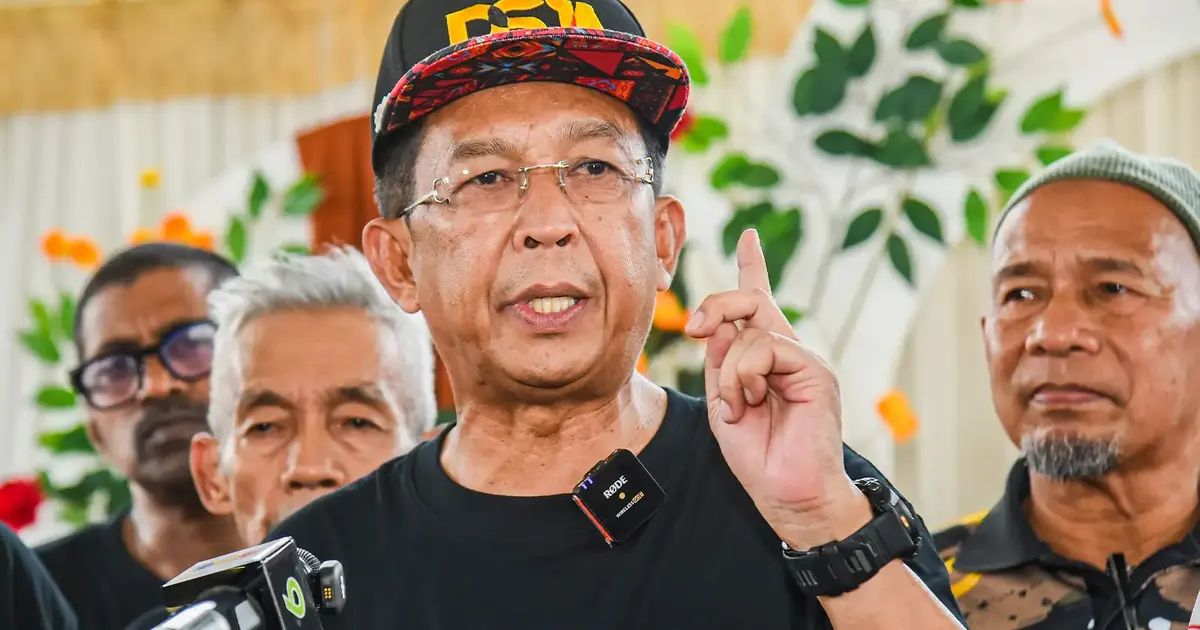
The closure of a BN polling centre in Klawang represents more than a logistical disruption—it signals genuine friction within one of Malaysia's most consequential political arrangements. State Umno chief Jalaluddin acknowledged that certain quarters remain uncomfortable with the decision to allocate the Klawang seat to Perikatan Nasional as part of the broader BN-PN electoral pact, a tension that manifested in the shutdown of the centre used for campaign activities and voter outreach.
Electoral arrangements between major coalitions inevitably demand difficult trade-offs, and the Klawang scenario illustrates the practical challenges inherent in seat-sharing negotiations. When BN agreed to cede particular constituencies to PN—presumably in exchange for PN support elsewhere or to avoid direct competition—party machinery at grassroots level did not uniformly embrace the decision. The Klawang closure, whether orchestrated by disgruntled party members or sympathetic activists, reflects a reality often obscured in high-level coalition announcements: not all party cadres accept electoral sacrifices with equanimity.
For Malaysian readers, such internal coalition tensions carry real implications. The BN-PN arrangement emerged as a pragmatic response to Malaysia's fractured political landscape, where no single coalition commands a permanent electoral majority without strategic partnerships. However, the durability of such arrangements depends on whether party grassroots accept negotiated compromises. Localized protests and centre closures, though seemingly minor, can foreshadow broader cohesion problems if left unaddressed.
Jalaluddin's public acknowledgment of the discontent represents a measured response designed to manage expectations while projecting confidence in the coalition's resilience. By explicitly stating that certain quarters harbour reservations, he validates the frustration without amplifying it—a delicate political balance. His expectation that the centres will resume operations soon suggests he views the closure as a temporary demonstration rather than an indication of systemic breakdown.
The dynamics at play in Klawang reflect broader regional patterns in Southeast Asian coalition politics. In Thailand, the Philippines, and Indonesia, electoral pacts between major parties frequently strain under the weight of localized resentment among party workers who feel their electoral prospects have been diminished through top-level bargains. Malaysia's experienced political class understands these pressures, yet each new arrangement tests the system anew.
For PN, which accepted the Klawang seat as part of the electoral arrangement, the closure of BN facilities poses a different challenge. It potentially signals that BN's grassroots infrastructure in contested areas may not fully mobilize behind agreed-upon allocations. This could affect PN's ability to consolidate support in seats formally assigned to them, particularly if BN voters lack enthusiasm for supporting a PN candidate in a seat that Umno members feel should have remained in their hands.
The timing and specific mention of Klawang warrants scrutiny. This particular constituency carries symbolic weight within Selangor's political geography, and its allocation to PN likely involved significant calculation regarding electoral prospects and constituency dynamics. That grassroots elements in the area view the ceding unfavourably suggests either the seat was considered strongly BN-leaning, or that local leaders believed they had competitive advantages that were sacrificed through the higher-level arrangement.
From a structural perspective, the incident underscores why electoral pacts in Malaysian politics require not just coalition-level agreements but sustained communication and morale management at divisional and district levels. Jalaluddin's public remarks serve partly to remind restive party members that coalition discipline remains non-negotiable, even when individual constituencies prove disappointing to particular factions.
The state Umno chief's confidence that operations will resume soon reflects the traditional expectation that such disputes resolve through internal party channels and leadership directives. In Malaysian political culture, temporary displays of discontent often precede acceptance once formal hierarchies reassert their authority. However, this pattern also suggests that underlying resentment may persist beneath the surface even after centres reopen.
Looking forward, the Klawang situation carries implications for how future electoral arrangements might be negotiated and communicated within BN structures. If leadership can demonstrate that seat allocations followed rigorous analysis and yield strategic advantages, grassroots acceptance may improve. Conversely, if members perceive allocations as arbitrary or disadvantageous, similar closures and protests could multiply across multiple constituencies.
The broader Malaysian electorate watches such developments with interest, as coalition stability directly affects governance capacity and policy implementation. An internally fractured BN-PN arrangement, though still potentially winning elections, might struggle to deliver cohesive governance. Jalaluddin's measured public response attempts to project control while acknowledging legitimate internal tensions—a necessary balancing act for any coalition manager navigating the delicate politics of power-sharing in contemporary Malaysia.

