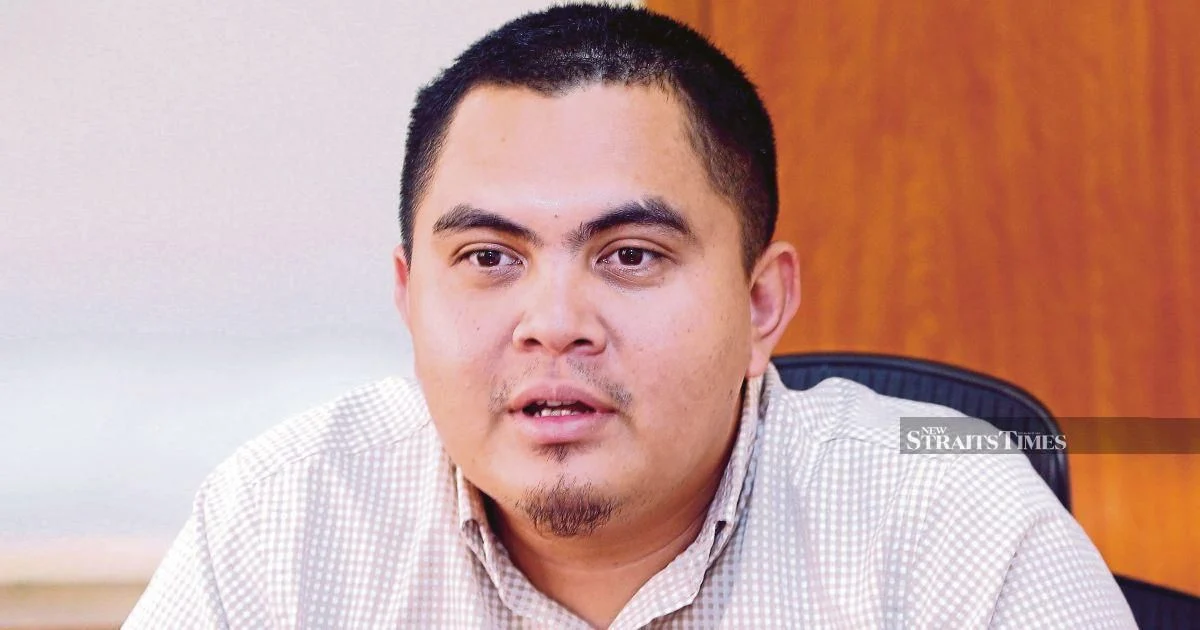
Umno Youth chief Datuk Dr Muhamad Akmal Saleh has pushed back against criticism characterising the party as one where kinship networks determine electoral fortunes, instead insisting that Umno maintains institutional integrity in how it identifies and selects candidates for contests.
The clarification, delivered in Johor Baru, represents a direct response to what appears to be mounting concerns about internal party dynamics and whether elite circles within Malaysia's largest Bumiputera-based party wield disproportionate influence over nomination processes. Such allegations have periodically surfaced within Umno circles, particularly following high-profile elections where certain candidacies drew scrutiny from grassroots members questioning the rationale behind specific selections.
Akmal's intervention carries particular significance given his position overseeing Umno Youth, the party's largest grassroots mobilisation arm and traditionally a barometer for wider membership sentiment. Youth divisions across Malaysia have increasingly become vocal platforms for discussing party governance, and their backing remains essential for any leadership to maintain legitimacy among the party's several million registered members.
The timing of his statement suggests an attempt to address internal friction before it gains further traction. Umno has historically functioned as a coalition-building organisation where regional strongmen and established political families carry considerable weight. However, the party's electoral performance in recent years—including difficult showings in 2018 and subsequent internal restructuring efforts—has prompted leadership to emphasise meritocratic principles and broader grassroots participation in decision-making architecture.
Practically speaking, Umno's candidate selection involves multiple layers. State divisions, federal territories, and federal liaisons committees all contribute to vetting potential contestants, theoretically creating checks against any individual or family capturing the nomination machinery wholesale. Akmal's assertion that the party rejects family-based advancement directly challenges perceptions that patronage networks trump qualifications in determining who represents Umno colours in legislative contests.
For Malaysian political observers, this debate reflects broader regional trends. Several Southeast Asian democracies grapple with similar tensions between institutionalised party structures and informal power networks built on kinship, ethnicity, or patronage. Thailand's major parties, for instance, have faced recurring criticism about dynastic concentrations. The Philippines has long wrestled with allegations that certain clans dominate electoral calculations. By explicitly rejecting such characterisations, Akmal positions Umno as a modernising force committed to transparent governance standards—messaging that resonates with increasingly sophisticated urban and semi-urban electorates demanding accountability.
The substance of Akmal's rebuttal matters less than its symbolic weight. By publicly stating that Umno does not operate as a family enterprise, the Youth chief signals that the party's current leadership remains committed to procedural fairness. This becomes important during periods when grassroots membership might otherwise conclude that established families or well-connected individuals enjoy unfair advantages. Such perceptions, if left unchallenged, can erode confidence in institutional legitimacy and fragment the coalition-building capacity that Umno requires to win general elections.
Historically, Umno's strength has derived from its ability to function as an inclusive platform accommodating diverse Malay-Muslim constituencies while maintaining sufficient internal discipline to mobilise unified voting behaviour. This delicate balance depends partly on conviction among ordinary members that the party operates according to stated principles rather than serving narrow sectional interests. When membership believes the system favours connected elites, engagement drops and rival parties benefit from disaffected defectors.
Akmal's remarks also reflect calculations about Umno's strategic positioning heading into the next general election cycle. The party must convince Malaysian voters—particularly Malay-Muslim communities in rural and semi-rural areas—that it deserves another mandate to govern. Allegations of nepotistic politics undermine that pitch considerably, particularly when competing Islamist and Malay-nationalist alternatives can claim fresher leadership faces unburdened by decades of patronage networks. By forcefully denying such charges, Umno attempts to reclaim narrative control and redirect attention toward policy delivery and administrative competence.
The exchange between Akmal and Puad, whoever the latter representative is, encapsulates a wider conversation about how Malaysia's established political movements can adapt to evolving expectations around transparency and institutional governance. Modern voters increasingly demand evidence that parties operate according to transparent rules rather than informal hierarchies. Umno's historical dominance rested partly on capacity to manage factional interests within acceptable bounds; maintaining that position now requires demonstrating commitment to principles that go beyond merely managing competing elites within family networks.
Looking forward, Umno faces continued pressure to translate these reassurances into observable practice. Candidate selections in forthcoming state and federal contests will determine whether Akmal's denials hold credibility with membership and the broader electorate. Should nominations appear to systematically favour connected candidates over qualified alternatives, the party risks deepening internal scepticism about leadership intentions and accelerating further membership erosion to rival organisations.

