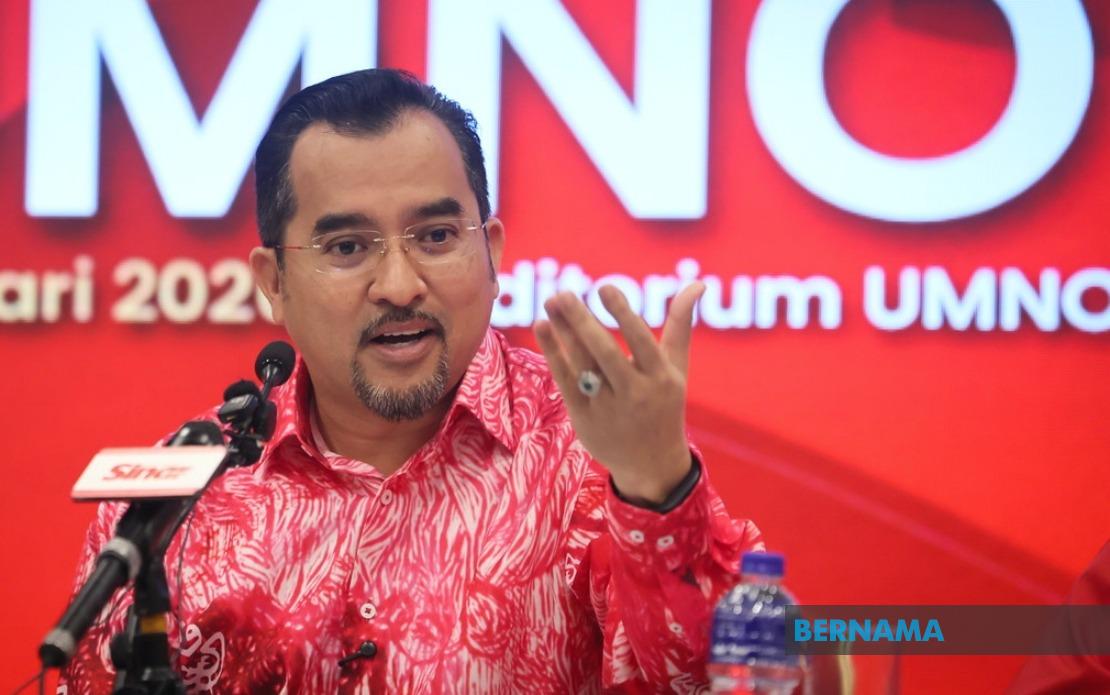
The abrupt departure of senior UMNO figure Datuk Dr Mohd Puad Zarkashi from the party has exposed underlying tensions within the coalition ahead of Johor's critical state election, with party leadership attributing his exit to personal grievances rather than principled policy disagreements. UMNO secretary-general Datuk Dr Asyraf Wajdi Dusuki made the assertion public through a Facebook statement, providing an internal perspective on a defection that occurred just weeks before nomination day for the Johor state assembly elections scheduled for June 27.
Puad's resignation, announced on the same day as Asyraf Wajdi's rebuttal, came accompanied by claims that palace interference had compromised the party's autonomy in candidate selection and influenced the government's decision to dissolve the Johor legislature on June 1. The timing of these allegations—amid crucial pre-election preparations—has created a damaging narrative about UMNO's internal governance precisely when the party seeks to project unity and strength to voters before the July 11 polling date.
According to Asyraf Wajdi's account, Puad had previously submitted written demands to party leadership threatening both public criticism and outright exit if his son were not seriously considered for the Rengit seat. The secretary-general acknowledged the younger Puad's qualities, recognizing his youth and potential for future party development, yet insisted that candidate selection requires balancing multiple considerations beyond individual promise or family connections.
This pattern of ultimatums allegedly extends beyond the current cycle. Asyraf Wajdi revealed that during Datuk Seri Najib Tun Razak's tenure as UMNO president, Puad had similarly pressured party leadership, threatening resignation unless he secured renomination as the parliamentary representative for Batu Pahat. The disclosure suggests a recurring dynamic wherein Puad has leveraged threats of departure as negotiating tactics when denied preferred positions.
Ashraf Wajdi's intervention carried a broader ideological message, emphasizing that UMNO fundamentally operates as a merit-based organization rather than a dynastic or family-oriented entity. By explicitly distancing the party from hereditary politics—a pointed rebuke to Puad's apparent expectation that his progeny would receive preferential treatment—the secretary-general sought to establish normative boundaries around leadership recruitment and succession planning within the coalition.
The secretary-general's statement amounts to a comprehensive reframing of Puad's departure narrative. Where Puad himself characterized his exit as enabling greater freedom of expression and implying principled objection to party direction, Asyraf Wajdi repositioned the resignation as a manifestation of disappointed personal ambition. This counter-narrative disputes Puad's serious allegations regarding palace influence over candidate selection and internal party processes, instead portraying such claims as retaliatory accusations designed to justify his departure to the wider membership.
The palace interference allegations carry particular sensitivity within UMNO's Johor machinery, where the state royal institution maintains traditionally close relations with the party structure. By dismissing Puad's contentions as slander, Asyraf Wajdi sought to protect both the party's reputation and the monarchy's standing, signaling that UMNO leadership would vigorously challenge any suggestion that external forces compromise its decision-making autonomy.
For Malaysian observers, the episode illuminates persistent vulnerability within UMNO's ranks regarding candidate selection processes. High-profile departures motivated by nomination disappointments raise questions about whether party procedures adequately communicate selection rationale to unsuccessful contenders and their supporters. The leak of internal party grievances into public discourse—whether through Puad's Facebook statement or Asyraf Wajdi's response—demonstrates how nomination seasons remain flashpoints for internal discord within Malaysia's long-dominant coalition party.
The timing of this public disagreement compounds its operational impact. With nomination day set for June 27 and polling scheduled less than two weeks later on July 11, UMNO enters a critical campaign phase with its internal cohesion visibly questioned. Opposition parties will likely weaponize the controversy to portray UMNO as faction-ridden and unresponsive to legitimate leadership aspirations, potentially affecting voter enthusiasm particularly among younger party members who might sympathize with Puad's son's candidacy rejection.
Ashraf Wajdi's assertion that UMNO transcends personal interests and family demands represents normative leadership language, yet the party's history contains numerous instances where such principles have bent under pressure from influential individuals and their networks. Puad's own political trajectory—holding Supreme Council membership and previously serving as an MP—reflects the complex interplay between merit advancement and factional support within UMNO's internal politics.
The Johor state election itself occurs within a broader context of UMNO's attempts to consolidate power and restore confidence following the 2022 general election results. Leadership stability and perceived fairness in institutional processes directly affect the party's electoral mobilization capacity. Defections or highly publicized departures, particularly from senior figures, weaken the party's message discipline when messaging should emphasize vision and performance rather than internal governance disputes.
Moving forward, the controversy may prompt UMNO to formalize and publicize candidate selection criteria more transparently, reducing ambiguity that allows ambitious figures to expect favorable treatment. Alternatively, the episode might entrench factional divisions if other senior members perceive that their own candidates face unfair rejection based on palace preferences or other non-transparent considerations. The trajectory of this dispute will likely shape not only UMNO's organizational health but also its electoral prospects in the July 11 election.

