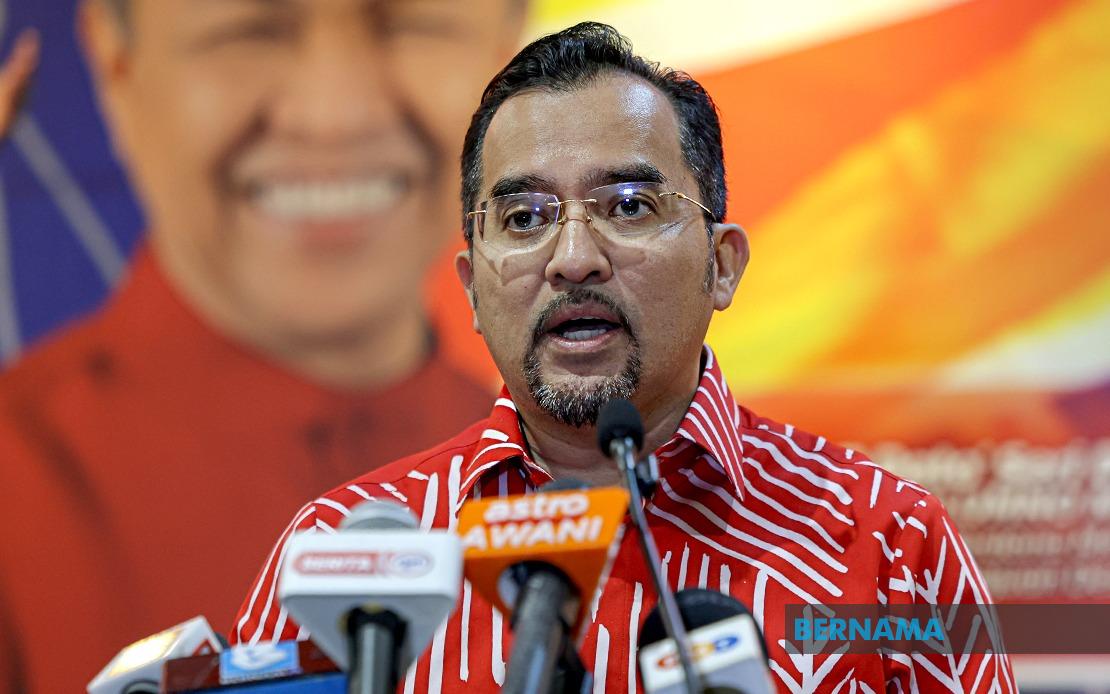
Malaysia's largest Malay-Muslim political party, UMNO, has taken a significant step toward preparing for the next general election by granting its state-level leadership the authority to independently negotiate and explore political cooperation arrangements with interested parties. This decision, announced Wednesday evening by party secretary-general Datuk Dr Asyraf Wajdi Dusuki following a Supreme Council meeting in Kuala Lumpur, represents a strategic decentralization of coalition-building efforts that reflects the evolving landscape of Malaysian politics ahead of electoral contests.
The authorization granted at the meeting, chaired by UMNO president Datuk Seri Dr Ahmad Zahid Hamidi and attended by deputy president Datuk Seri Mohamad Hasan and other Supreme Council members, marks a departure from heavily centralized decision-making on political alliances. By empowering state branches to initiate and conduct their own partnership discussions, UMNO appears to be recognizing the distinct political dynamics and local circumstances that characterize different regions across the country. This approach acknowledges that electoral viability and coalition preferences may differ significantly between Peninsular Malaysia's various states and their respective political ecosystems.
Crucially, Asyraf Wajdi underscored that any negotiations undertaken by state branches must operate within clearly defined parameters emphasizing integrity. He stressed that discussions with potential coalition partners must be anchored in principles of sincerity and mutual trust rather than pursued through intimidation or coercive tactics. This language appears deliberately crafted to establish ethical boundaries for negotiations, suggesting the party leadership's awareness that coalition-building efforts could potentially become contentious or involve questionable pressure tactics.
The timing of this decision carries particular significance for Malaysian political observers. With electoral cycles potentially advancing and the need for clear coalition architecture becoming more pressing, UMNO's move reflects a pragmatic recognition that state-level leaders are often best positioned to gauge local political sentiment and identify viable partnership opportunities. The autonomy granted to state branches could facilitate more nimble responses to shifting political allegiances and regional preferences without requiring constant consultation with the national party hierarchy.
Simultaneously, UMNO extended a formal invitation to PAS leadership to participate in its 2026 General Assembly, scheduled for September 9 to 12. This gesture carries symbolic importance given the complex historical relationship between Malaysia's two major Malay-Muslim parties, which have alternately cooperated and competed for electoral dominance. The invitation suggests UMNO's continued interest in maintaining dialogue channels with PAS, though whether this translates into formal electoral cooperation remains uncertain.
The party has coordinated several high-profile events coinciding with the General Assembly, including the 2026 Malay Education Convention, Malaysian Islamic Scholars Convention, and Laman Wanita Kreatif programme, all scheduled for September 8. These gatherings underscore UMNO's efforts to position itself as a central platform for discourse on education policy, Islamic scholarship, and women's issues—topics that resonate deeply with its core constituencies.
In addressing broader governance principles, Asyraf Wajdi reiterated UMNO's commitment to the rule of law and due process. The statement that no individual should be deemed guilty absent formal charges, trial, and conviction by courts appears positioned as both a principled declaration and a practical signal regarding how the party handles allegations against its members and leaders. This reaffirmation suggests ongoing sensitivity within UMNO regarding questions of accountability, particularly given Malaysia's recent history of high-profile criminal prosecutions involving political figures.
For regional observers and Malaysian political analysts, UMNO's restructuring of coalition negotiation authority raises intriguing questions about the future configuration of Malaysian politics. The devolution of coalition-building powers to state branches could potentially fragment national party discipline or, conversely, produce more resilient and locally-adapted political arrangements that better withstand electoral pressures. The effectiveness of this decentralized approach will likely become apparent only after state-level branches begin exercising their new mandate and negotiating with rival parties.
The broader context suggests that Malaysian political parties are actively positioning themselves for electoral competition, with coalition formation emerging as a central strategic concern. UMNO's authorization to state leaders signals that the party recognizes the necessity of flexibility and local responsiveness in an increasingly complex political environment. Whether this approach strengthens UMNO's electoral prospects or creates internal tensions remains a question for Malaysian political observers to monitor closely as state-level negotiations progress.

