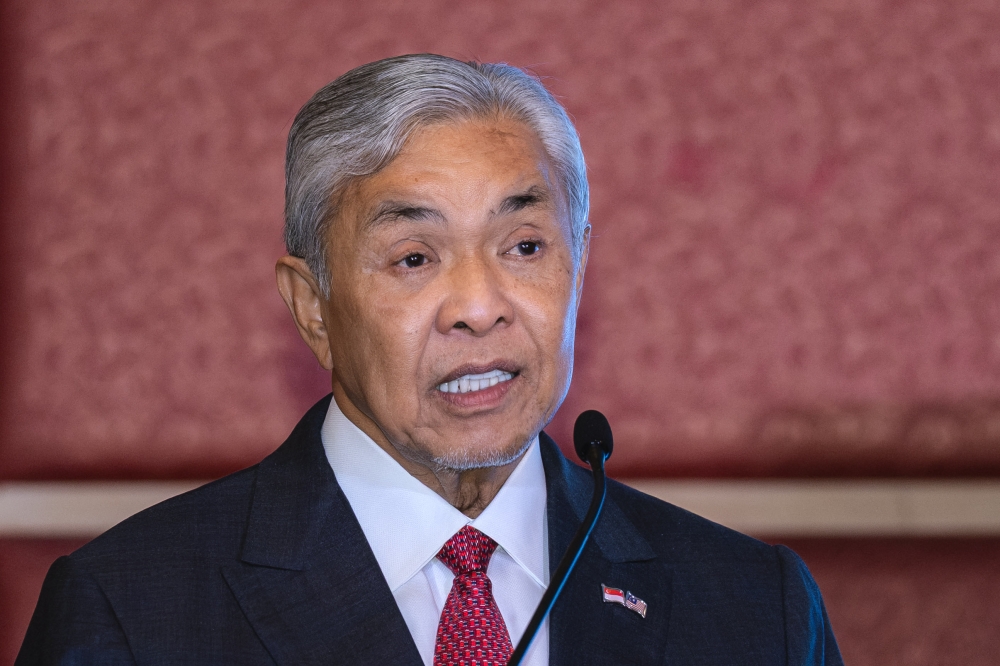
Umno's top leadership moved to distance the party from suggestions of a binding electoral arrangement with PAS in Negeri Sembilan on Wednesday, with party president Datuk Seri Dr Ahmad Zahid Hamidi emphasising that no formal agreement exists between the two Muslim-majority parties. His statement came amid ongoing speculation about potential collaborations ahead of future electoral cycles in the state, particularly as both parties navigate their respective political trajectories and coalition dynamics in Malaysia's complex political landscape.
Zahid's comments reflect the delicate balancing act that Umno continues to perform across different states and political contexts. While the party maintains representation and influence in Negeri Sembilan, it must simultaneously manage relationships with its federal coalition partners and respond to grassroots expectations. The Umno president's assertion that no pact exists stands in contrast to the reality that political parties frequently explore cooperation on state-by-state bases, making his clarification significant for understanding the party's strategic direction in the coming months.
Crucially, Zahid warned that political "goalposts can change anytime," a phrase that encapsulates the fluid nature of Malaysian coalition politics. This language suggests that while Umno currently maintains its independence in Negeri Sembilan, the party remains open to recalibrating its approach should circumstances warrant such shifts. Such flexibility has become increasingly important in Malaysian politics, where demographic changes, local leadership dynamics, and electoral performance can rapidly reshape the political map across different regions.
The denial of a formal Umno-PAS arrangement carries particular weight given the history of negotiations between these two parties at both federal and state levels. Previous attempts at cooperation have yielded mixed results, and the two organisations have sometimes found themselves in direct competition for support among similar voter bases. For Negeri Sembilan specifically, any formal alliance would represent a significant realignment in the state's political structure, making Zahid's explicit rejection noteworthy for party members and political observers alike.
Negeri Sembilan occupies an intermediate position within Malaysia's electoral geography, neither as heavily contested as Selangor nor as politically settled as some other states. The state has traditionally been competitive ground where different political forces have managed to maintain viable presence, and control of state government has shifted between coalitions in recent electoral cycles. This dynamic context makes Zahid's statements about future flexibility particularly relevant, as shifting alliances in Negeri Sembilan could have cascading effects on the state's broader political balance.
For Malaysian politics observers, the timing of these clarifications matters considerably. Coalition arrangements at state level increasingly decouple from federal arrangements, allowing parties to pursue localised strategies that maximise their electoral prospects in specific geographic contexts. Zahid's approach suggests that Umno intends to maintain maximum optionality in Negeri Sembilan rather than locking itself into predetermined arrangements that might constrain its future manoeuvrability.
The PAS response to Zahid's statement, or lack thereof, will itself provide important signals about the broader relationship between these two parties. If PAS accepts Zahid's characterisation of the situation, it may indicate acceptance of continued separation in Negeri Sembilan. Conversely, any pushback would suggest that discussions between the parties remain ongoing or that PAS harbours different expectations about potential cooperation structures.
From a Southeast Asian perspective, Malaysia's coalition politics demonstrate how fragmented electoral systems create perpetual uncertainty about governing arrangements. Unlike systems with clear majority governments, Malaysian politics requires constant negotiation and coalition management, meaning statements like Zahid's should be understood as tactical positioning rather than final declarations. The flexibility he emphasises reflects the structural realities of Malaysian governance rather than mere political evasiveness.
For Negeri Sembilan voters and political stakeholders, Zahid's insistence on maintaining Umno's independence combined with openness to future changes essentially signals that the party will make alliance decisions closer to actual election dates based on contemporary conditions. This approach maximises Umno's bargaining power while keeping local opportunities open, though it also creates uncertainty for other parties attempting to plan their own electoral strategies in the state.
The broader implications extend to how Malaysia's political parties approach coalition-building across different levels and regions. As federal coalitions prove increasingly unstable, state-level dynamics become more significant, and the ability to maintain strategic flexibility while honouring some commitments becomes critical for party survival. Zahid's articulation of this position may establish a template that other party leaders adopt when discussing their own state-level arrangements.

