Political realignment in Malaysia's federal government may be heading towards a dramatic reversal as senior figures suggest Umno and PAS, despite their troubled history, could overcome their differences to forge a working coalition centred on short-term electoral and ministerial gains. The prospect emerged from comments by Puad Zarkashi, signalling that both parties see pragmatic value in reuniting their alliance, even as the wounds from previous breakdowns remain visible in the Malaysian political landscape. Such a development would reshape the current parliamentary balance and potentially accelerate leadership changes within the ruling establishment.
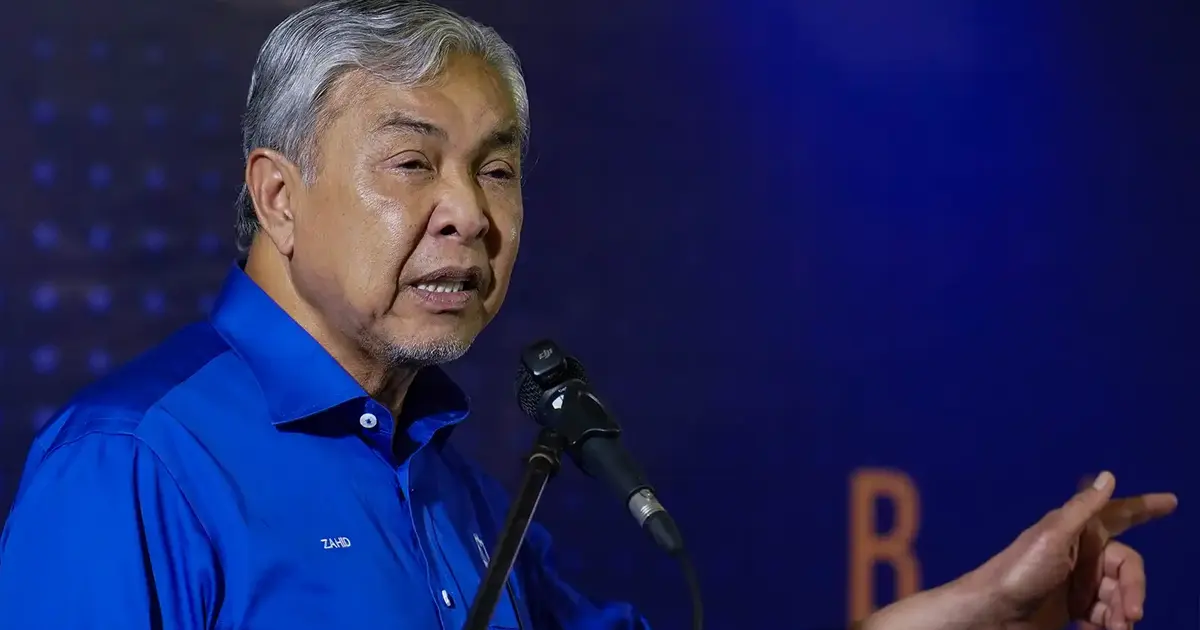
The possibility hinges partly on personal ambitions within Umno's upper echelon. Deputy Prime Minister Zahid Hamidi, who leads the party, is understood to harbour aspirations to occupy the Prime Minister's office—a position historically held by Umno presidents. In Malaysian politics, the premiership typically rotates among coalition partners according to earlier agreements or shifting power dynamics. Zahid's elevation would require significant parliamentary manoeuvring and could only materialise if Umno secures additional seats or the backing of MPs currently aligned with other blocs. An Umno-PAS arrangement would provide him with crucial additional numbers in the Dewan Rakyat.
For PAS, the appeal of renewed partnership with Umno lies in a fundamental reversal of fortune. The Islamist party, which held ministerial portfolios and significant influence during previous Umno-led administrations, has been excluded from federal government since 2018. Being sidelined from executive power has frustrated party leadership and grassroots members, many of whom view holding ministerial office as validation of PAS's political relevance and an opportunity to implement religious and social policies aligned with the party's ideological commitments. Returning to government, even in junior coalition roles, would represent a significant restoration of PAS's institutional standing.
Puad Zarkashi's characterisation of these motivations as "short-term goals" reflects his assessment that immediate political calculations are driving both parties forward, rather than durable policy consensus or ideological alignment. This distinction matters significantly for Malaysian political observers. Historically, coalitions built primarily on transactional rather than principled grounds have proven fragile, collapsing once the short-term objectives of key figures are achieved or rendered obsolete by electoral results. The Zahid-driven premiership project and PAS's cabinet return represent precisely this category of immediate prize—achievable within months or years, but not necessarily anchoring a stable, long-term governmental arrangement.
The previous breakdown between Umno and PAS, which contributed to the political upheaval of 2018 and its aftermath, stemmed from deep organisational rivalries, competing claims to represent Malay and Muslim interests, and disputes over the distribution of electoral seats in federal and state contests. Both parties have powerful constituencies within the Malay-Muslim electorate, and their separation has often been driven by competition for the same voters and nominations rather than fundamental policy divergence. When electoral arithmetic favours collaboration, these structural impediments can be temporarily suspended in favour of pragmatic cooperation, even without resolving underlying tensions.
The timing of any such realignment would carry significant implications for Malaysia's other coalition partners and opposition groups. The current administration, which includes PKR, DAP, and other components alongside Umno, would face destabilisation if Umno and PAS moved to withdraw and reconstitute themselves outside the existing arrangement. Regional stability and Malaysia's domestic policy agenda could be disrupted during any protracted period of coalition renegotiation. Foreign investors monitoring Malaysia's governance patterns would view renewed political volatility with concern, potentially affecting investor confidence and the ringgit's exchange rate performance.
Within Umno itself, Zahid's premiership ambitions face internal complications. Other senior figures within the party, including those from longstanding elite families and competing patronage networks, may harbour their own aspirations or reservations about Zahid's elevation. Moving to realign with PAS could trigger factional disputes within Umno's leadership if members perceive it as serving Zahid's personal interests rather than advancing the broader party agenda. Such internal dissension has destabilised Umno in recent years and could resurface during coalition negotiations.
From a regional perspective, an Umno-PAS coalition would represent a consolidation of Malay and Muslim-oriented political forces while potentially marginalising the multiethnic centrist approach that other coalition partners have championed. This could shift Malaysia's policy direction on religious administration, education, social welfare, and economic affirmative action. Several Southeast Asian neighbours, including Singapore, Thailand, and Indonesia, monitor closely how Malaysian governments balance religious and secular governance frameworks, making such domestic realignment relevant to regional stability.
Puad Zarkashi's willingness to discuss these scenarios publicly may itself be a negotiating signal, designed to gauge reactions among party members and potential coalition partners before formal discussions commence. In Malaysian politics, senior figures often test controversial ideas through media interviews, allowing them to retreat if opposition materialises or to accelerate moves if the response proves favourable. Whether his comments presage imminent coalition reconstruction or constitute exploratory speculation remains uncertain, but they underscore the fluid nature of contemporary Malaysian parliamentary politics.

