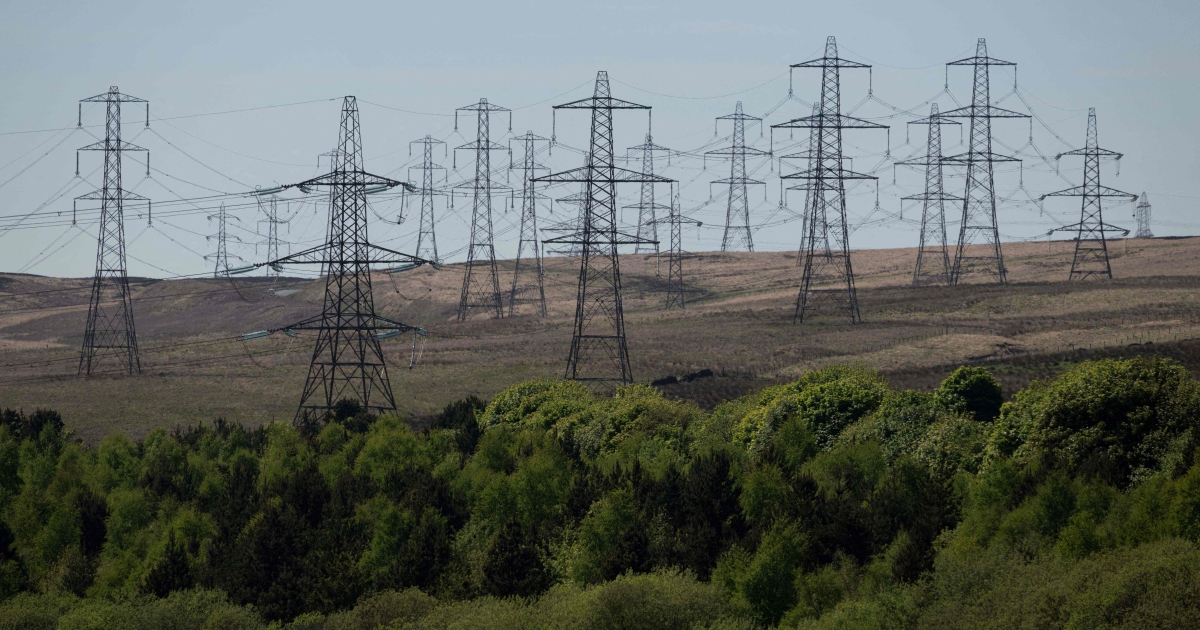
Prime Minister Andy Burnham has signalled his government's commitment to tackling Britain's escalating cost-of-living pressures by slashing taxes on electricity bills, according to an announcement from Downing Street on Tuesday. The tax reduction represents one of the administration's early policy initiatives, reflecting Burnham's campaign pledges to provide relief to households struggling with energy expenses that have surged in recent years across the United Kingdom.
The electricity tax cuts underscore the new government's focus on immediate, tangible measures to reduce household expenditure on essential utilities. As energy costs have become an increasingly contentious political issue in the UK, where many families have faced unprecedented bills following global supply disruptions and market volatility, any policy promising relief carries significant weight with the electorate. Burnham's decision to prioritise this measure suggests his administration views energy affordability as central to its broader economic strategy.
For Malaysian observers and regional readers, the UK's approach to managing energy costs offers instructive parallels to Southeast Asian economies grappling with similar pressures. Malaysia itself has wrestled with energy pricing policy, balancing subsidy mechanisms against fiscal sustainability and market liberalisation goals. The British government's tax-reduction approach contrasts with Malaysia's historical reliance on price controls and subsidies, presenting different policy philosophies with varying long-term implications for energy markets and government finances.
The timing of Burnham's announcement reflects mounting public concern about household budgets across Britain. Citizens have endured successive waves of cost increases spanning groceries, housing, and utilities over the past several years. By introducing electricity tax reductions early in his tenure, Burnham aims to demonstrate responsiveness to voter concerns and establish credibility on a defining issue for his political brand. This strategy represents an attempt to build momentum before navigating more difficult trade-offs between fiscal restraint and social spending commitments.
Understanding the mechanics of British electricity taxation illuminates how such cuts function in practice. The UK's main levy on energy bills includes Value Added Tax (VAT) and various environmental and network charges. Tax reductions typically translate directly into lower consumer bills, providing immediate financial relief rather than indirect subsidies absorbed through government budgets or energy company profits. This transparency appeals to voters while maintaining market-oriented principles that characterise contemporary British economic policy.
The broader context reveals structural challenges facing energy markets across developed economies. Britain invested heavily in renewable energy infrastructure and decarbonisation initiatives over recent decades, costs frequently reflected in consumer bills through levies supporting green investment. Balancing climate commitments against household affordability represents a persistent tension for policymakers. Burnham's government must reconcile environmental targets with the political imperative to reduce bills, a challenge equally relevant to Malaysia and regional governments pursuing simultaneous decarbonisation and affordability objectives.
For regional audiences, the UK experience demonstrates how energy policy becomes intimately intertwined with electoral politics and social stability. Countries throughout Southeast Asia increasingly recognise that energy affordability shapes public sentiment and government legitimacy. Malaysia's own experience with subsidy reform and energy price adjustments illustrates this reality vividly, with periodic protests and political consequences following bill increases. Britain's emphasis on tax relief rather than subsidies may reflect different fiscal circumstances, yet the underlying principle—that energy costs demand political attention—resonates across diverse economies.
Downing Street's framing of the announcement as part of a comprehensive cost-of-living strategy reflects modern governance communication patterns. Rather than presenting the electricity tax cut as an isolated measure, the government contextualises it within broader objectives around household financial stability and economic competitiveness. This messaging strategy attempts to present coherence across diverse policy domains, though sceptics might question whether targeted tax relief adequately addresses structural cost pressures affecting multiple sectors simultaneously.
The economic implications extend beyond immediate consumer relief. Reduced electricity taxes potentially stimulate household consumption by freeing disposable income previously directed toward energy payments, potentially supporting demand-driven economic growth. However, such effects depend on broader economic conditions, consumer confidence, and whether households direct freed resources toward spending rather than savings. Given widespread economic uncertainty affecting British households, the behavioural effects of tax reductions may differ from theoretical predictions.
International energy markets add another dimension to Burnham's policy calculus. Global energy prices, influenced by geopolitical tensions, supply constraints, and transition dynamics, ultimately shape UK electricity costs regardless of domestic tax levels. A tax reduction provides short-term relief but cannot insulate the British market from international forces. This limitation applies equally to Malaysian policymakers navigating global energy markets while attempting to manage domestic affordability—a persistent challenge requiring sustained attention beyond single policy interventions.
For Southeast Asian governments watching the UK approach, several lessons emerge. Transparent, direct consumer support mechanisms may build public confidence more effectively than opaque subsidies, though administrative capacity and fiscal space constrain available options. The political imperative to address cost-of-living concerns appears universal across democracies, suggesting that energy affordability will remain central to electoral competition and social stability. Burnham's early emphasis on this issue signals its enduring importance in contemporary British politics, a pattern evident throughout the region.

