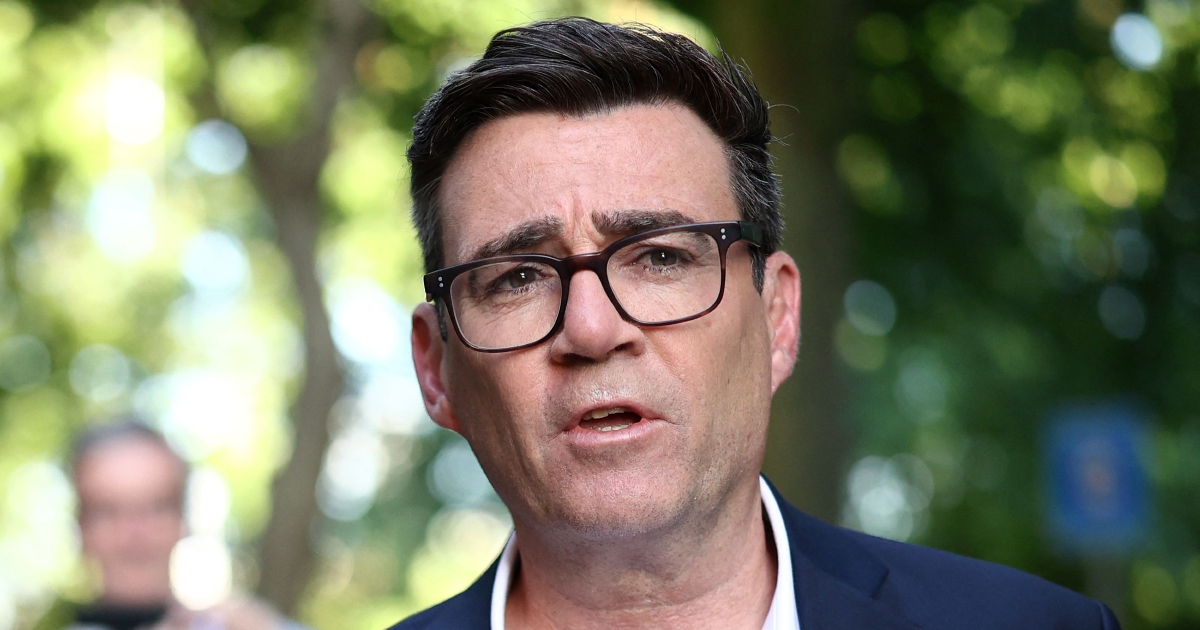
Andy Burnham, widely expected to assume the role of British Prime Minister within days, has made an urgent appeal for lawmakers' safety arrangements to be thoroughly examined. Speaking on Tuesday, the likely incoming leader cited the killing of former Member of Parliament Ann Widdecombe the previous week as a catalyst for this significant policy reassessment, underlining growing anxiety about the personal security of elected representatives across Westminster.
The timing of Burnham's intervention carries particular weight given his imminent transition into Number 10. As someone preparing to lead the country, his emphasis on a comprehensive security review signals that this matter will receive immediate Cabinet-level attention once his government assumes office. The incident involving Widdecombe has become a focal point in broader conversations about the vulnerability facing public figures in Britain, especially those engaged in elected office.
Ann Widdecombe, who served as a Conservative Member of Parliament and later represented UKIP in the European Parliament, represented one of the most prominent female political figures in late 20th and early 21st century British politics. Her death has shocked the parliamentary community and triggered soul-searching about whether current protective measures adequately safeguard lawmakers who continue to maintain constituency surgeries and community engagement that inevitably expose them to public contact.
The review that Burnham is proposing would likely examine multiple dimensions of parliamentary security. This could include the arrangements for Members of Parliament conducting local surgeries in their constituencies, the protection extended to high-profile legislators, and the threat assessment protocols currently in place. British MPs, unlike their counterparts in many democracies, have traditionally maintained close ties with their constituent communities, meeting residents regularly in local offices. This accessibility, while valuable for democratic representation, creates inherent security challenges.
Burnham's call resonates particularly within the British political establishment, which has experienced previous high-profile security incidents. The death of Labour MP Jo Cox in 2016 and the knife attack on Conservative MP Tobias Young in 2021 had already prompted discussions about legislator safety, though concrete systemic improvements remain limited. The Widdecombe incident suggests that piecemeal responses have proven inadequate and that a more structured, comprehensive approach is now necessary.
For Malaysian observers, Burnham's position highlights how even long-established Western democracies with sophisticated state institutions face persistent challenges in protecting elected representatives. While Malaysia operates under different security frameworks and constitutional arrangements, the underlying tension between public accessibility and personal safety represents a universal governance challenge. The British experience demonstrates that safeguarding parliamentarians requires sustained institutional attention and resources, not merely reactive responses following tragic incidents.
The proposed security review will likely involve consultation with the UK Home Office, parliamentary authorities, and police agencies responsible for threat assessment. Burnham's emphasis on this matter suggests his administration intends to move expeditiously on implementation, rather than allowing recommendations to languish in bureaucratic processes. This reflects recognition that lawmakers cannot effectively serve their constituents when operating under constant personal fear.
British civil liberties organisations will closely monitor this review, seeking to balance enhanced security with preservation of the democratic principle that elected representatives remain accessible to the people they serve. The challenge lies in identifying practical security measures that protect without creating fortress-like barriers that undermine the foundational democratic norm of legislator-constituent engagement.
Burnham's intervention also reflects his broader political positioning as he prepares to lead Britain. By emphasising safety and security concerns early in his expected tenure, he signals attentiveness to citizen protection and institutional safeguarding—themes that resonate across the political spectrum and transcend typical party divides. This consensus around legislator security potentially creates parliamentary conditions favourable for implementing more substantial protective measures than previous governments have managed.
The regional implications for Southeast Asia merit consideration. Malaysia, like Britain, maintains parliamentary systems where legislators engage directly with constituents. The British experience of violence against elected representatives, and the institutional responses being contemplated, offers relevant case studies for how parliamentary democracies can strengthen protection frameworks without fundamentally compromising democratic principles of accessibility and representation.
Burnham's promised review represents the beginning of a potentially lengthy process of institutional examination and policy development. Implementation will require buy-in from parliamentary leadership, individual MPs weighing security against accessibility, and security agencies translating recommendations into practical protocols. The coming months will reveal whether Britain's new administration can move beyond rhetoric to meaningfully enhance safety for those who serve in Parliament while preserving the democratic character of these institutions.

