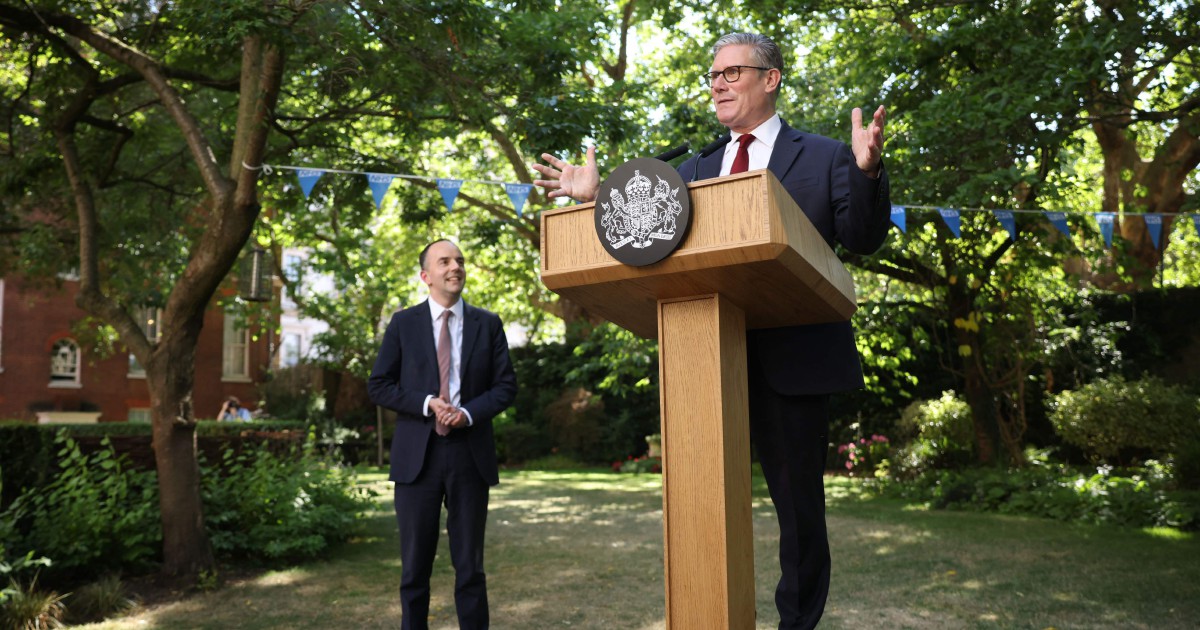
British Prime Minister Keir Starmer moved to prevent FIFA from rescheduling England's upcoming match against Mexico on Monday, suggesting government-level intervention in what would normally be a football confederation matter. The proposed alteration would have shifted the kick-off time six hours earlier than originally scheduled, sparking concerns that prompted Starmer to act.
The decision represents an unusual instance of direct political involvement in sporting affairs, highlighting the intricate web of interests that surround major international fixtures. When FIFA makes scheduling decisions for competitive matches, those determinations typically rest with the governing body and participating national associations rather than elected officials. Starmer's intervention underscores how deeply interconnected sports, business, and politics have become in the modern era, particularly when matches carry significant implications for fans, broadcasters, and participating nations.
The practical complications of rescheduling are considerable. English supporters planning to attend the match would face disrupted travel arrangements, accommodation adjustments, and work schedule conflicts with minimal warning. An early morning or midday kick-off for a Mexico match would create logistical headaches for spectators traversing to the venue, whether domestically or from abroad. The repercussions extend beyond mere inconvenience—they represent fundamental questions about whose interests take priority when international sport intersects with governance structures and commercial obligations.
From a broadcasting perspective, time zone mathematics compound these challenges significantly. England's geographical position means that any alteration to kick-off times produces cascading effects across global television schedules. An earlier English kick-off would have shifted Mexican viewing times to unfavorable hours, potentially disadvantaging the Mexican audience and creating complications for broadcasters operating across multiple time zones simultaneously. The complexity of serving audiences across continents while maintaining fixture scheduling creates genuine tensions between different stakeholders' requirements.
Starmer's intervention also reflects broader concerns about FIFA's operational practices and its relationship with national governments. The world football governing body has faced persistent criticism regarding decision-making transparency, scheduling consistency, and its apparent prioritization of commercial interests over supporter welfare. By stepping into this particular dispute, the British Prime Minister joined a growing chorus of voices questioning whether FIFA adequately considers the downstream impacts of its administrative decisions on ordinary fans and the functioning of domestic systems.
The England-Mexico fixture itself carries particular significance within the broader context of international football competition. Mexico represents formidable opposition, and any scheduling irregularities could theoretically affect match preparation and team readiness. While professional athletes adapt to various conditions, consistency in scheduling demonstrates basic respect for competing parties' ability to prepare adequately. Unilateral timing changes imposed shortly before matches raise questions about fairness and whether all participants have genuinely equal opportunity to optimize their preparation strategies.
For Malaysian readers and broader Southeast Asian audiences, this episode offers instructive insights into how developed nations' governments engage with international sporting bodies when their constituents' interests face potential compromise. The willingness to escalate disputes to prime ministerial level contrasts sharply with how some countries approach FIFA determinations, suggesting varying cultural and political approaches to international sports governance. It demonstrates that even affluent nations with substantial soft power sometimes feel compelled to resist FIFA decisions they deem unjust.
The incident also illustrates persistent imbalances in how FIFA allocates scheduling flexibility. Traditionally, European and other wealthy nations' domestic interests receive greater consideration in scheduling discussions, reflecting asymmetrical power dynamics within international football governance. When the British government must actively intervene to protect its citizens' interests against FIFA's administrative preferences, it suggests that transparent, equitable scheduling procedures remain aspirational rather than operational reality within world football's governing structures.
Starmer's approach represents measured escalation rather than confrontational posturing. By publicly confirming his involvement without inflammatory rhetoric, he signaled that legitimate governmental concerns about supporter welfare and scheduling fairness transcend party politics. This framing potentially mobilizes broader support for reconsidering how FIFA conducts business and whether current practices genuinely serve football's fundamental purposes or primarily serve commercial entities operating within sports' upper echelons.
Moving forward, this situation may establish precedent for how national governments respond to FIFA scheduling decisions affecting their populations. If political intervention proves effective in reversing unfavorable determinations, other nations might adopt similar strategies, potentially complicating FIFA's ability to enforce scheduling decisions unilaterally. Conversely, FIFA might resist setting such precedents, arguing that yielding to governmental pressure compromises institutional independence and invites further political interference in sporting matters.
Ultimately, the England-Mexico scheduling dispute transcends football's technical dimensions, reflecting fundamental questions about institutional accountability, stakeholder representation, and how international organizations balance competing interests. Whether FIFA accommodates British concerns or reasserts its scheduling authority, the episode reinforces that modern sports governance increasingly operates at the intersection of multiple powerful interests—governments, broadcasters, commercial entities, and increasingly vocal fan communities all asserting legitimate claims on how international matches should be organized and executed.

