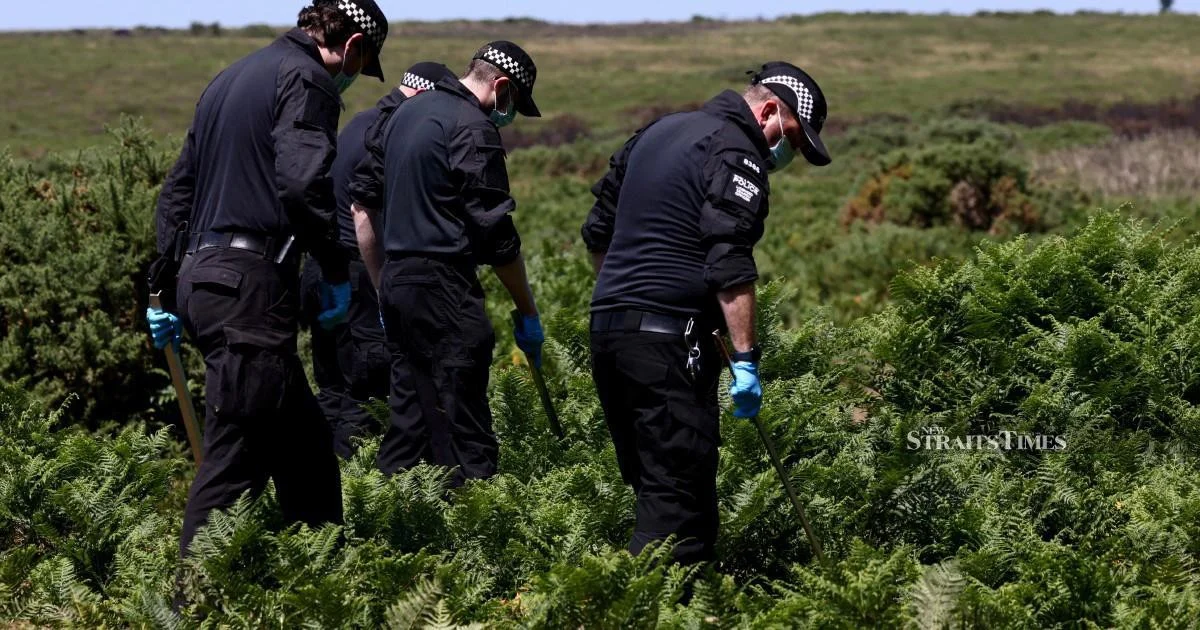
A 28-year-old man has been arrested by British police in South Yorkshire on suspicion of murdering Ann Widdecombe, the former government minister whose long career spanned decades of British politics and later television prominence. The arrest, confirmed on Saturday, represents a major breakthrough in what had become a high-profile investigation into the death of the politically divisive figure.
Ann Widdecombe emerged as one of Britain's most recognisable Conservative politicians during her tenure in Parliament, serving in various ministerial roles and becoming known for her outspoken views on social issues. Her parliamentary career was marked by considerable influence within her party, though she often positioned herself as a maverick willing to challenge conventional wisdom within Westminster. After leaving electoral politics, she successfully reinvented herself as a television personality, appearing on reality television programmes and documentaries that introduced her to new audiences beyond the political realm.
The circumstances surrounding her death had generated significant media coverage across the United Kingdom, with public figures from across the political spectrum paying tribute to her long career and considerable impact on British public discourse. Her willingness to engage in controversial debates, particularly around issues of criminal justice, immigration, and religious matters, ensured she remained a recognisable public figure well into her later years, even as her direct influence in Westminster diminished following her departure from Parliament.
The arrest in South Yorkshire indicates that the investigation had progressed from initial fact-gathering stages to identifying a potential suspect. Police investigations into high-profile cases involving public figures typically involve extensive enquiries, including examination of evidence, interviews with witnesses, and coordination between multiple law enforcement agencies. The relatively swift movement to an arrest suggests investigators had accumulated sufficient evidence to meet the threshold required for taking someone into custody on suspicion of a serious crime.
For Malaysian and Southeast Asian observers, the case illustrates how even prominent political and public figures in established democracies remain vulnerable to sudden tragedy. The investigation also demonstrates the capabilities of modern policing in developed nations, where forensic techniques and systematic detective work can move cases from preliminary stages to arrests within a defined timeframe. The heightened scrutiny surrounding cases involving public figures, while sometimes attracting criticism for creating unequal treatment, does ensure resources are allocated efficiently to resolve them.
The arrest comes at a time when questions about political violence and threats to public figures have gained renewed prominence globally. While the investigation is ongoing and full details remain undisclosed, the case touches on broader concerns about the safety and security of those who enter public life. Widdecombe's career, spanning multiple decades across different domains, meant she had accumulated both admirers and detractors, a common experience for politicians who have held strong positions on controversial matters.
The South Yorkshire Police announcement triggered immediate responses from Westminster, with colleagues from her parliamentary era and fellow public figures acknowledging her significance in British political history. The cross-party nature of the tributes reflected recognition that despite her polarising positions on numerous issues, she had commanded respect for her consistency and willingness to engage seriously with policy matters that others sometimes avoided.
As investigations progress, the focus will turn to establishing a comprehensive account of the circumstances surrounding her death, the relationship between the arrested man and Widdecombe, and any motivations that may have existed. British police procedures in cases involving suspects typically include formal questioning, the right to legal representation, and a timeline for either charging or releasing the arrested person pending further enquiries.
The case will likely attract continued international media attention, particularly given Widdecombe's prominence as a public figure and her ability to generate headlines across a spectrum of topics. For the broader British political establishment and the public, the investigation represents a significant event that intersects concerns about public safety, the treatment of prominent figures, and the functioning of criminal justice systems tasked with resolving serious allegations.
As the investigation develops, further details are expected to emerge through official police statements and potential court proceedings. The arrested man remains in custody pending further enquiries, and the investigation continues to unfold with considerable public interest focused on how the case progresses through the criminal justice system.

