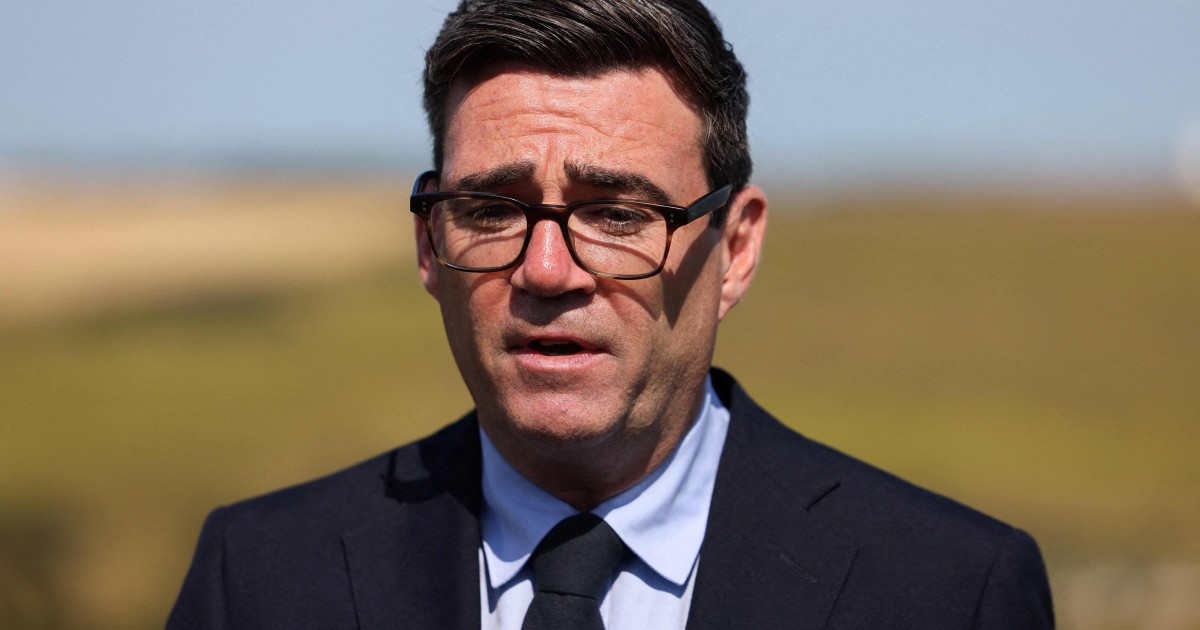
British Prime Minister Andy Burnham is considering the establishment of a public inquiry to examine the actions and operations of convicted sex offender Jeffrey Epstein within the United Kingdom, according to a statement made by victims minister Alex Davies-Jones to the BBC. The announcement signals a potential step toward greater transparency and accountability regarding Epstein's network and connections in Britain, an issue that has drawn renewed attention following recent developments in legal proceedings against associates of the American financier.
The prospect of a formal inquiry represents a significant decision by the UK government, as such investigations demand substantial resources, time, and political will. Public inquiries into matters of national importance have historically served to establish facts, identify systemic failures, and recommend reforms to prevent future abuses. The consideration of such a mechanism in this case underscores the seriousness with which the government views Epstein's potential impact on the British public, particularly vulnerable individuals who may have been victimised within UK jurisdictions.
Epstein's activities and connections have remained a subject of intense scrutiny globally since his arrest in 2019 on federal charges of sex trafficking of minors. Following his conviction and subsequent death in custody, the full scope of his operations and the identities of all individuals connected to his network continue to be investigated across multiple countries. The United Kingdom has not been immune to questions about what transpired within its borders, and whether adequate protections were in place or enforcement mechanisms were deployed to prevent potential abuses.
The role of victims minister Alex Davies-Jones in highlighting this consideration is particularly noteworthy, as her portfolio places her at the forefront of ensuring that those harmed by criminal activity receive support, justice, and recognition. Her public articulation of the government's thinking suggests that victim advocacy has influenced the decision-making process, and that the voices of survivors are being taken seriously at the highest levels of government. This reflects a broader shift in how governments approach historical abuses and sex trafficking investigations.
A public inquiry into Epstein's British operations would likely examine several dimensions of his presence and activities in the country. This could include details about his properties, social circles, business interests, and any potential complicity or negligence on the part of institutions, authorities, or individuals who may have been aware of misconduct. Such inquiries typically have the power to compel testimony, access documents, and establish a comprehensive historical record that would be made available to the public.
For Malaysia and other Southeast Asian nations, developments in the UK inquiry hold broader implications. The region has its own vulnerabilities to human trafficking and exploitation networks that often have international dimensions. Observing how advanced democracies construct accountability mechanisms and investigative processes provides valuable lessons for strengthening regional responses to trafficking and abuse. Cooperation between nations in pursuing justice and understanding transnational criminal operations remains essential.
The timing of the government's consideration coincides with increasing pressure from victim advocacy groups and parliamentarians for greater transparency about Epstein's international operations. Previous inquiries in other jurisdictions have sometimes revealed uncomfortable truths about institutional failures and the protection afforded to powerful individuals. The UK inquiry, if established, would add another layer to the global understanding of how Epstein operated and whom he cultivated as associates or enablers.
Whatever form a potential inquiry takes, it would need to balance several competing interests: uncovering truth and accountability, protecting the privacy and dignity of victims, respecting ongoing legal proceedings, and avoiding interference with criminal investigations in other jurisdictions. The complexity of these considerations explains why such decisions require careful deliberation at the ministerial level before formal announcements or commitments are made.
The government's openness to exploring an inquiry also reflects evolving standards around institutional accountability and victim-centred justice. Increasingly, societies recognise that responding to historical abuses requires more than individual prosecutions; it demands systematic examination of how systems failed and what preventative measures should be implemented. An inquiry would serve this broader function, potentially influencing policy reforms across law enforcement, border agencies, financial regulators, and institutions responsible for child protection.
As discussions develop, stakeholders including survivors, civil society organisations, and parliamentary committees will likely present their views on whether a public inquiry is necessary and, if so, what its terms of reference should be. The scope and remit of such an investigation would be crucial in determining how comprehensive the examination becomes and what recommendations emerge for future safeguarding and oversight mechanisms in Britain and internationally.

