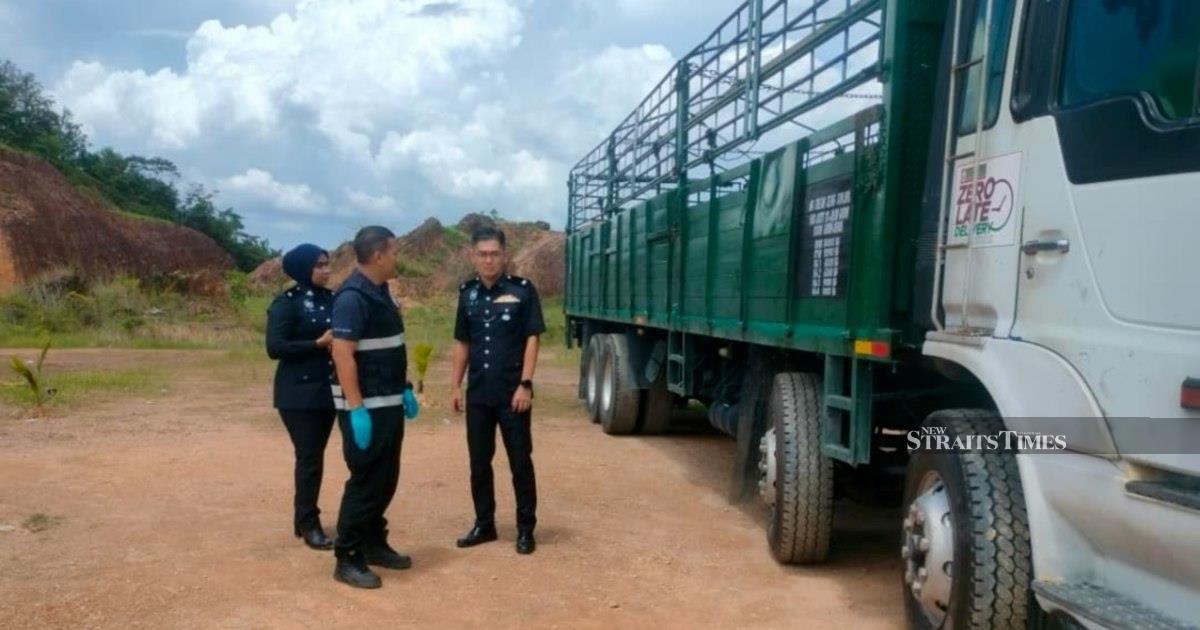
A tragic accident claimed the life of a two-year-old girl in Sungai Petani, Kedah, when she was struck by a lorry being reversed by her grandfather at their residential property in Kampung Bukit Kuang today. The incident has raised renewed concerns about vehicle safety in residential driveways and the critical importance of supervision near moving vehicles, particularly in family compounds where elderly residents operate heavy vehicles.
Police moved quickly to apprehend the 61-year-old grandfather as part of standard investigative procedures following the fatality. His detention is aimed at establishing the precise circumstances surrounding the collision, including factors such as visibility conditions, the presence of warning systems on the vehicle, and whether proper precautions were taken before the lorry began reversing. Investigators will examine whether the child was visible to the driver from the cabin and whether any preventive measures could have avoided this preventable tragedy.
Driveway accidents involving young children represent a persistent safety concern across Malaysia, where residential properties often feature limited sightlines and confined reversing spaces. Many family homes, particularly in semi-rural areas like Kampung Bukit Kuang, contain multiple generations sharing the same premises, creating situations where grandparents may be operating vehicles while young children play unsupervised nearby. This domestic setting, intended as a safe family space, can inadvertently become hazardous when vehicle operation and child activity coincide.
The involvement of commercial lorries in residential driveways adds another dimension to this incident. Unlike standard passenger vehicles, large goods vehicles present significantly reduced visibility from the driver's position, with substantial blind spots extending behind and to the sides of the truck. Children at standing height are particularly vulnerable in these zones, as they may fall entirely within a driver's blind spot, rendering them invisible even when the operator exercises reasonable caution during reversing operations.
Malaysian authorities have long emphasized the importance of supervision protocols around vehicles, particularly in family settings. Various safety campaigns have highlighted the dangers of children playing in driveways or near parked vehicles, especially when engines are running or vehicles are being maneuvered. However, enforcement of such practices remains inconsistent, and awareness campaigns have not eliminated these tragic incidents from occurring regularly across the country.
The loss of a young child affects not only the immediate family but reverberates through communities, serving as a stark reminder of how quickly life can change in ordinary domestic circumstances. Grandparents caring for grandchildren while parents work represent an increasingly common family arrangement in Malaysia, and the responsibilities accompanying such childcare in shared family spaces warrant careful consideration of safety protocols and risk management.
Police investigations into such incidents typically examine whether any traffic violations occurred, whether the vehicle was properly maintained and equipped with safety features such as reverse cameras or warning systems, and whether there were any breaches of the Road Transport Act. These investigations provide important data that inform safety recommendations and may influence how authorities approach prevention strategies in future cases.
The incident underscores the need for multiple layers of protection in residential environments. Installing reflective markers, maintaining clear sightlines in driveways, using reverse alarms, installing reversing cameras, and establishing clear communication protocols before vehicle operation can all reduce accident risks. Educational programs targeting multigenerational households about supervision responsibilities during vehicle operation remain critical preventive tools.
As the investigation proceeds, the police will determine whether criminal negligence or other charges may be applicable, balancing the tragic nature of the accident against any actions or omissions by the grandfather that contributed to the child's death. The outcome of this investigation may influence how similar cases are handled and what recommendations emerge regarding safety standards for residential vehicle operation involving vulnerable family members.

