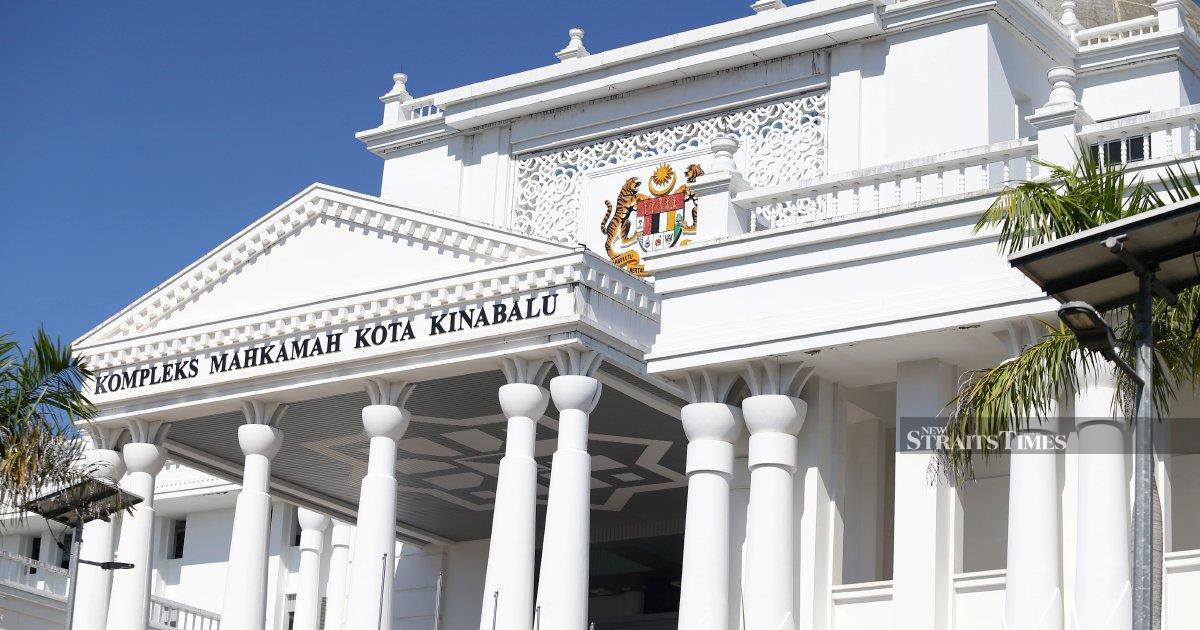
Two women made their appearance in Kota Kinabalu Sessions Court, where they faced charges stemming from an alleged traditional healing scam that exploited the trust and vulnerability of three female victims. The charges represent a significant development in a case that has raised fresh concerns about fraudulent practitioners operating within the alternative healing sector across Malaysia and the broader Southeast Asian region.
The accused women were arrested in recent weeks following a police investigation into complaints lodged by victims who reported being misled and financially exploited under the guise of traditional healing treatments. The three counts of criminal conspiracy to cheat filed against them represent serious criminal conduct, with prosecutors arguing that the defendants worked in concert to perpetrate the scheme. Each victim reportedly lost substantial sums of money while seeking remedies from individuals who claimed expertise in traditional healing practices.
Cases involving fraudulent traditional healing practitioners have become increasingly common across Malaysia in recent years. These scams particularly target vulnerable populations including the elderly, the chronically ill, and those facing emotional distress who may be seeking alternative solutions when conventional medical treatment has proven unsatisfactory. The psychological vulnerability of such individuals makes them especially susceptible to manipulation by unscrupulous operators who exploit their desperation and the emotional hope associated with healing claims.
Traditional healing practices hold deep cultural significance throughout Malaysia and Southeast Asia, with many communities maintaining genuine faith in time-honoured remedies and practitioners. However, this cultural legitimacy has created an environment where fraudsters can operate with relative ease, blending themselves into the fabric of legitimate traditional practitioners. The distinction between authentic practitioners and criminals has become increasingly blurred in the eyes of unsuspecting consumers, making it difficult for vulnerable populations to identify genuine service providers.
The severity of the charges filed demonstrates the prosecutorial authority's determination to take these cases seriously. Criminal conspiracy charges carry substantial penalties and signal that authorities view the organised nature of the alleged fraud as particularly egregious. Rather than treating this as simple commercial deception, the legal system is addressing what appears to be a coordinated effort to systematically target victims. This approach reflects international best practices in combating organised fraud networks.
From a regulatory perspective, Malaysia's framework for monitoring alternative healing practitioners has long been considered inadequate. Unlike licensed medical professionals who operate under strict oversight from bodies like the Malaysian Medical Council, traditional healers operate in a largely unregulated environment. This absence of standardised licensing, accreditation, and complaint mechanisms creates significant loopholes that unscrupulous operators readily exploit. The gap between regulatory oversight and the proliferation of healing practitioners has widened considerably, particularly with the rise of social media marketing where unverified claims spread rapidly.
The case also highlights the vulnerability of victims themselves, who often hesitate to report fraud due to embarrassment or cultural sensitivities surrounding their belief in traditional healing. Many victims remain silent, fearing social stigma or concern that official authorities may dismiss their complaints as resulting from personal gullibility rather than criminal deception. This reluctance to come forward allows perpetrators to continue their operations with minimal accountability, victimising multiple individuals over extended periods.
For Malaysian consumers seeking traditional healing services, the case underscores the necessity of exercising considerable caution and conducting thorough due diligence before engaging any practitioner. Seeking recommendations from trusted community members, verifying credentials where available, and questioning any practitioner who makes extraordinary healing claims remain essential protective measures. Equally important is the willingness to report suspected fraud to law enforcement authorities, which helps authorities build cases against organised criminal networks operating in this space.
The proceedings in Kota Kinabalu Sessions Court will likely serve as an important precedent within the region. As this case develops through the Malaysian legal system, it may establish important jurisprudence regarding how conspiracy charges apply to alternative healing fraud schemes. The outcome could influence how similar cases are prosecuted across other Malaysian states and potentially throughout Southeast Asia, where comparable regulatory challenges exist.
Authorities have signalled an intention to increase scrutiny of traditional healing practitioners, particularly those who make exaggerated medical claims or request excessive payments for their services. Law enforcement agencies are also exploring digital platforms where many such operators advertise their services, recognising that social media and messaging applications have become primary marketing channels for fraudulent schemes. Closer monitoring of these platforms may help identify and disrupt operations before they victimise large numbers of individuals.
Looking forward, this case illustrates the broader need for public education campaigns that help consumers distinguish between legitimate traditional practitioners and fraudsters. Community leaders, religious organisations, and civic groups have a role to play in disseminating information about common fraud tactics and warning signs. Additionally, regulatory bodies should consider whether existing frameworks adequately protect consumers or whether new legislation specifically addressing alternative healing practitioners might be warranted.

