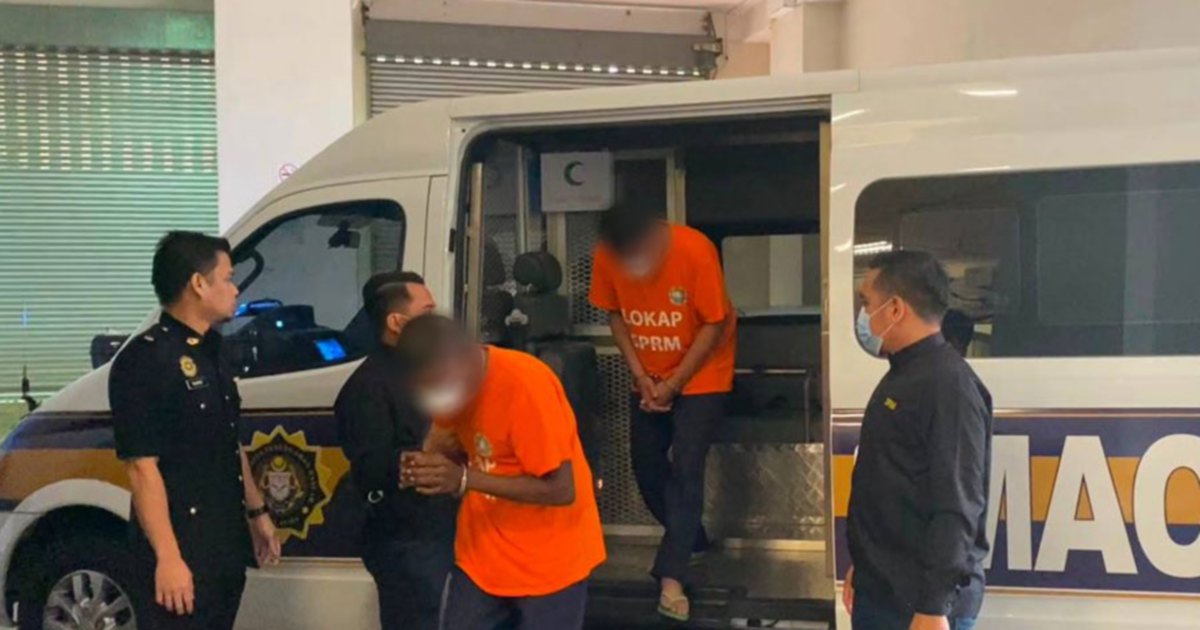
Two highway patrol officers stationed on the East Coast Expressway 2 have been taken into police custody in Kuantan following allegations that they accepted bribes from motorists to disregard traffic violations. The arrests underscore persistent concerns about integrity within Malaysia's law enforcement agencies, particularly among personnel responsible for maintaining road safety standards on major arterial routes serving the east coast region.
The officers, whose identities have not been disclosed, were remanded after an investigation began into claims that they had been receiving payments from drivers caught committing traffic offences on the busy expressway corridor. Rather than proceeding with standard enforcement procedures, the allegations suggest the officers allegedly permitted violators to continue their journeys without formal action or documentation.
The LPT2, a critical transport artery connecting major towns and cities across Pahang, Terengganu, and Kelantan, witnesses exceptionally high traffic volumes daily. The expressway serves as a vital link for commercial transport, tourism traffic, and commuter movements across the east coast peninsula. The presence of corruption among enforcement personnel on such a crucial route raises questions about road safety standards and the integrity of traffic management across the region.
This case is not isolated within Malaysia's policing framework. The Royal Malaysia Police has faced recurring scrutiny regarding misconduct among traffic enforcement units, though deliberate efforts in recent years have attempted to enhance oversight mechanisms and accountability structures. The discovery of bribery within highway patrol units reflects the broader challenge of maintaining ethical standards across geographically dispersed police operations where supervision becomes inherently more complex.
For Malaysian motorists, particularly regular users of the LPT2 corridor, such allegations carry significant implications. Drivers who encounter unethical enforcement practices face a dilemma between complying with legitimate traffic regulations and navigating a system potentially compromised by corrupt officials. The public's confidence in road safety enforcement depends fundamentally upon the integrity and impartiality of those responsible for its implementation.
The arrest represents a proactive response from investigating authorities, suggesting that oversight mechanisms within the police service remain functional. Whether these officers acted independently or as part of a systematic pattern within their unit remains subject to further inquiry. The remand period will allow investigators to determine the scope and duration of the alleged corruption, establish the approximate sums involved, and identify whether additional officers or systematic failings within the traffic enforcement division require attention.
Corruption within traffic enforcement carries consequences extending beyond individual transactions. When officers selectively enforce regulations based on financial incentive rather than legal obligation, traffic safety standards deteriorate measurably. Drivers who have paid bribes for violations face no incentive to alter risky behaviour, perpetuating hazardous driving patterns that endanger other road users. The integrity of traffic enforcement directly correlates with accident prevention and reduction of road fatalities.
The timing of this disclosure occurs as Malaysian authorities have intensified focus on public sector integrity following various high-profile investigations into misconduct within government agencies. The police force, recognising reputational damage from corruption cases, has undertaken initiatives to strengthen internal investigation capabilities and introduce technology-based oversight systems intended to reduce opportunities for unethical conduct.
For the Pahang police establishment, the case necessitates a comprehensive review of supervisory practices and operational protocols governing highway patrol divisions. Regular route inspections, documented enforcement records, and periodic audits of traffic summons issuance can serve as preventive measures against future misconduct. Officers working in remote expressway sections require robust oversight mechanisms comparable to those implemented in urban policing contexts.
The investigation outcome will carry significance beyond the two individuals involved. The case will illuminate whether the alleged conduct reflected personal initiative or stemmed from organisational culture problems within the specific unit or division. Authorities utilising this case as an opportunity to reinforce ethical standards across highway enforcement sections could strengthen public confidence in traffic safety mechanisms operating throughout Malaysia's expressway network.
Motormotorists in the east coast region now await the investigation's progression and eventual court proceedings. The case exemplifies the ongoing tension between enforcing traffic regulations uniformly and maintaining officer accountability within dispersed enforcement operations. As Malaysian policing continues evolving toward enhanced transparency and digital oversight, cases of this nature will test the effectiveness of internal controls and investigation protocols designed to protect both public safety and institutional integrity within law enforcement.

