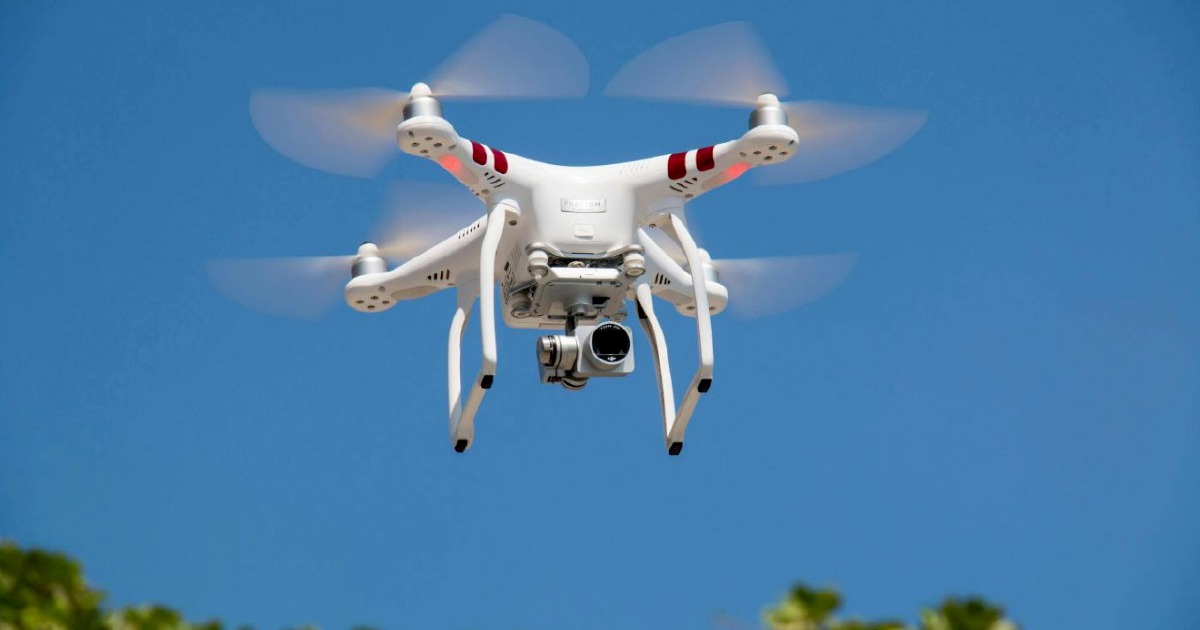
Authorities in Melaka have taken two people into custody following an operation targeting an alleged scheme to smuggle contraband into one of the country's correctional facilities. The arrests came after police conducted a raid on a residence located in Taman Kris Satria, Sungai Udang, where investigators believe the suspects were coordinating the delivery of prohibited tobacco items into Sungai Udang Prison using drone technology.
The use of unmanned aerial vehicles for prison contraband operations represents an emerging challenge for Malaysian correctional authorities. Drones offer smugglers a method to bypass traditional security checkpoints and physical barriers that have long protected prison perimeters. The technology's accessibility and relative ease of operation have made it an increasingly attractive tool for those seeking to introduce forbidden goods behind bars, from drugs and tobacco to mobile phones and other items that could disrupt institutional order.
Tobacco smuggling into prisons is a persistent problem across Malaysia's correctional system. Inmates demand for tobacco products, combined with restrictions on their availability and supply within facilities, creates a profitable black market that criminal networks are incentivized to exploit. The illegal trade generates substantial income for outside operatives while providing incarcerated individuals with valuable trading currency and status within prison hierarchies.
The Sungai Udang facility is one of Melaka's major detention centers, holding numerous inmates across various security classifications. The attempted breach highlights vulnerabilities in perimeter security even at established institutions. Prison management must balance maintaining physical structures robust enough to prevent unauthorized entry while also ensuring the facility operates as a functioning correctional environment rather than a fortress.
Drone-based smuggling operations typically involve coordination between individuals outside the prison and contacts within. Outside operatives conduct surveillance to identify blind spots in monitoring systems, determine optimal delivery times when staff attention is diverted, and arrange for ground-level recipients to retrieve packages. The complexity of such operations suggests that today's smuggling attempts often involve careful planning and technical knowledge rather than spontaneous acts.
Investigators will likely examine the suspects' communications, financial records, and technical capabilities to understand the scope of the alleged operation. Authorities will seek to determine whether this was an isolated incident or part of a broader smuggling network. The investigation may also reveal connections to prison staff or other inmates who might have been coordinating the delivery on the ground.
This incident underscores pressures faced by Malaysia's prison system, which operates under resource constraints while managing an expanding inmate population. Correctional facilities must invest in counter-drone technologies and enhanced monitoring systems to address modern security threats. Some facilities have deployed signal jammers and radar detection equipment, though such measures require ongoing investment and maintenance.
The case also reflects international trends in contraband smuggling methods. Prison authorities worldwide have reported increasing drone incursions, prompting governments to develop legislative responses and technological countermeasures. Several jurisdictions have criminalized drone flights near correctional facilities and authorized security forces to neutralize unmanned aircraft approaching prison grounds.
For Malaysian readers, the arrest demonstrates law enforcement's ongoing efforts to maintain institutional security even as criminals innovate their methods. However, it also raises broader questions about prison management in Southeast Asia, where overcrowding and resource limitations frequently compromise security capabilities. The incident may prompt policy discussions about modernizing prison security infrastructure and the allocation of resources to address evolving threats.
The two detainees are now in police custody as investigations continue. Authorities have not yet disclosed the identities of the suspects or provided additional details regarding the specific quantities of tobacco allegedly targeted for delivery or the sophistication of the drone equipment involved. Further information is expected as the investigation progresses through preliminary proceedings.

