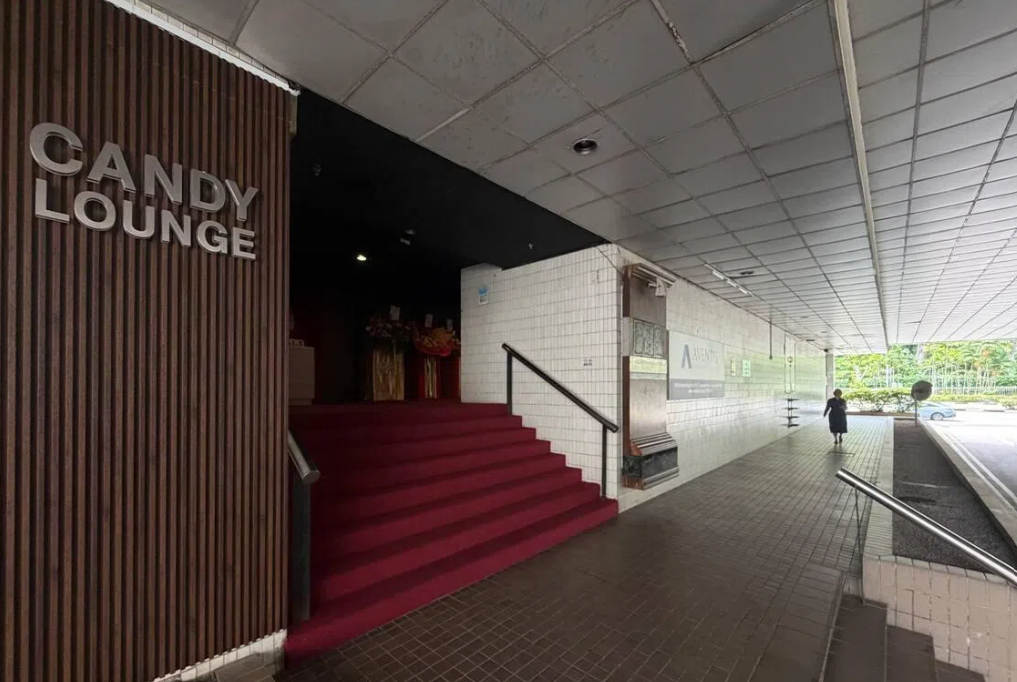
A pre-dawn confrontation at a popular nightspot in Singapore's Orchard Road district has resulted in two arrests and left four men requiring hospital treatment, underscoring persistent concerns about rising knife-related violence in the city-state. Emergency services responded to a disturbance call near the intersection of Orchard Road and Buyong Road shortly after 3am on Thursday, where officers discovered four injured men, all aged 38, at the scene. Three of the men had sustained lacerations, whilst a fourth presented with minor injuries. All were transported to Tan Tock Seng Hospital in conscious condition.
Following preliminary investigation and evidence gathering at the location, police apprehended two male suspects, aged 25 and 27, who now face charges relating to voluntarily causing hurt through dangerous means. The older suspect was subsequently conveyed to the same hospital for medical assessment, remaining conscious throughout the process. Authorities recovered a knife at the scene, which has been retained as a key exhibit in the ongoing investigation.
Chinese-language media reports indicate that the violent outbreak stemmed from a clash between two separate groups of individuals, both patrons of the Candy Lounge establishment, during the late night hours. According to accounts provided to Lianhe Zaobao, the escalation resulted in at least one person sustaining a stab wound to the neck, raising immediate questions about the circumstances that precipitated the confrontation and whether venue security intervened appropriately. The nightclub's posted operating schedule indicates regular operations from 10pm until 3am, with extended hours stretching to 4am on weekends and public holidays, meaning the incident occurred near the tail end of a typical trading night.
When journalists from The Straits Times visited the junction approximately six hours after the incident, the scene had returned to normalcy, with no visible presence of emergency personnel and traffic flowing without disruption. The absence of visible security activity appeared to catch nearby business owners by surprise. Two shop proprietors operating establishments within Orchard Plaza, including a money changer and convenience outlet, indicated they had opened their doors at the customary 9am hour and were unaware that any serious incident had transpired in their immediate vicinity during the night. Neither reported receiving notification from security services or venue management regarding the confrontation.
The episode adds to a troubling pattern of knife-related criminality afflicting Singapore in recent years. Statistics compiled by law enforcement reveal that the first half of 2025 witnessed 75 reported incidents involving bladed weapons, a significant jump from 59 cases recorded during the corresponding six-month window in 2024. This upward trajectory represents a roughly 27 per cent increase year-on-year and has prompted renewed scrutiny of public safety measures, particularly in areas known for nightlife activity and social congregation during late hours.
Orchard Road, long established as Singapore's principal retail and entertainment thoroughfare, has sustained its prominence as a destination for dining, shopping, and evening recreation. The district draws substantial weekend crowds and serves as a hub for both residents and tourists seeking leisure activities. However, incidents of street violence within the vicinity have periodically punctuated the area's otherwise carefully maintained public safety profile, raising questions about the adequacy of current security frameworks and whether additional measures might be warranted.
The incident at Candy Lounge reflects broader questions about venue responsibility and duty of care toward patrons, particularly during extended operating hours when alcohol consumption may elevate tensions and reduce inhibitions. Nightclub operators across Singapore have faced increasing pressure to implement more robust conflict prevention protocols, trained security personnel, and rapid emergency response procedures. The apparent lack of immediate communication between venue security and nearby businesses following this incident suggests potential gaps in crisis management procedures.
Investigations into the circumstances surrounding the brawl remain ongoing, with police seeking to establish the precise sequence of events and identify any additional individuals who may have participated in or witnessed the confrontation. The recovery of a knife at the scene indicates that at least one aggressor carried a weapon, raising serious concerns about how such implements entered the venue and whether security screening procedures are being properly enforced. The nature of the trigger incident—whether a spontaneous disagreement escalated suddenly or a premeditated confrontation—remains unclear pending formal police conclusions.
For Malaysia and other Southeast Asian nations grappling with similar challenges around urban nightlife safety, the Singapore incident provides instructive lessons. As regional economies continue expanding and entertainment districts proliferate in major cities, authorities and venue operators face mounting pressure to prevent violence without unduly restricting legitimate leisure activities. The balance between personal freedom and public safety in late-night social settings remains contested, with this latest incident demonstrating that even tightly regulated jurisdictions with comprehensive security infrastructure can experience sudden, serious incidents.

