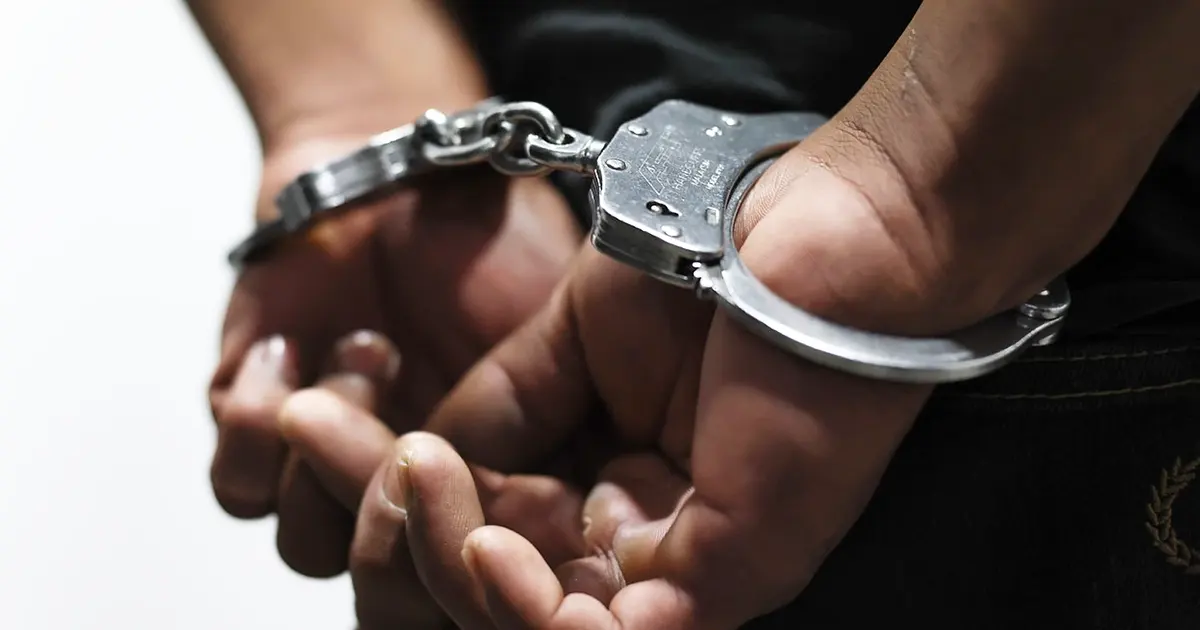
Police have arrested two men in connection with the death of their friend during a hunting expedition, with investigators suspecting the fatal shooting was unintentional but compounded by the suspects' decision to conceal the victim's remains rather than seek immediate help.
The circumstances surrounding the incident reveal a troubling pattern in how panic and fear of legal consequences can drive individuals to compound tragedy with further wrongdoing. When accidents occur in remote settings where help is distant and adrenaline runs high, snap decisions made in those critical moments often become the focus of criminal investigation rather than the accident itself.
Police working the case have concluded that one of the arrested men most likely discharged his weapon in a manner that fatally struck their companion. Rather than immediately alerting authorities or attempting to render assistance, the two men allegedly chose to hide the body, a decision that transformed what might have been treated primarily as a tragic accident into a case involving obstruction of justice and potential charges of improper handling of human remains.
This incident underscores broader questions about hunting safety and the critical importance of firearm discipline in field conditions. Southeast Asian hunting communities, whether engaged in traditional practices or sport hunting, operate in environments where communication infrastructure can be limited and where quick thinking becomes essential. The concealment of the victim's body suggests that either shock and disorientation led to irrational decision-making, or worse, a calculated attempt to avoid accountability.
The investigation process will likely establish the precise sequence of events leading to the fatal discharge. Hunters operating in remote areas face genuine challenges in emergency response, yet the decision to hide rather than report the incident raises questions about the defendants' state of mind and their understanding of their legal obligations. Malaysian law enforcement typically treats accidental deaths during lawful activities with consideration for the circumstances, but attempts to obstruct investigations or conceal evidence substantially alter the severity of potential charges.
For the broader hunting community across Malaysia and the region, cases like this serve as sobering reminders about the absolute necessity of safety protocols. Accidental discharges, even among experienced hunters who follow proper procedures, remain an ever-present risk. The difference between an incident treated as a tragic accident and one pursued as a serious crime often hinges on the actions taken in those immediate moments following an emergency.
The victim's family now faces the compounded grief of not only losing a loved one but doing so in circumstances that suggest his companions prioritised self-preservation over ensuring he received any possible medical assistance or proper handling of his remains. This emotional dimension, while not strictly relevant to legal culpability, reflects the human cost of poor decision-making under extreme stress.
Police investigations into cases involving concealed bodies typically focus on establishing the timeline of events, communications between the suspects, and the condition of the body when discovered. These details often prove critical in distinguishing between panic-driven concealment and more premeditated misconduct. Forensic evidence, witness statements from others present or nearby, and the suspects' own accounts will shape how prosecutors ultimately frame the charges.
For Malaysian readers familiar with outdoor activities, whether hunting, fishing, or hiking in remote areas, this case illustrates why clear protocols matter. Hunters should travel with communication devices, establish regular check-ins with designated contacts, and maintain networks where someone knows their location and expected return time. These precautions benefit both safety and legal protection, as they create documented evidence of activity should any incident occur.
The arrest of these two men marks the beginning of a legal process that will determine not only criminal responsibility but also provide closure for the victim's family. The investigating authorities must balance accountability with understanding how fear and panic shaped the suspects' behaviour, while prosecutors consider whether charges should focus narrowly on the concealment or more broadly on circumstances surrounding the shooting itself.
Beyond the immediate case, this incident raises awareness about hunting safety standards across Southeast Asia. Jurisdictions throughout the region maintain firearms regulations and hunting permits specifically designed to minimise such tragedies, yet enforcement and compliance remain inconsistent across different areas and communities. Whether these two men held proper permits, completed required safety training, and maintained their weapons to safe standards will likely feature prominently in case proceedings.
As the investigation continues, the focus will eventually shift to courtroom proceedings where the precise legal characterisation of events will determine sentencing. The distinction between culpable negligence and more serious charges often comes down to whether a defendant's actions show reckless disregard for human life or merely tragic misfortune compounded by poor judgment in its aftermath. For the families involved and the wider community, the case serves as a grim illustration of how quickly an outdoor adventure can become a life-altering tragedy.

