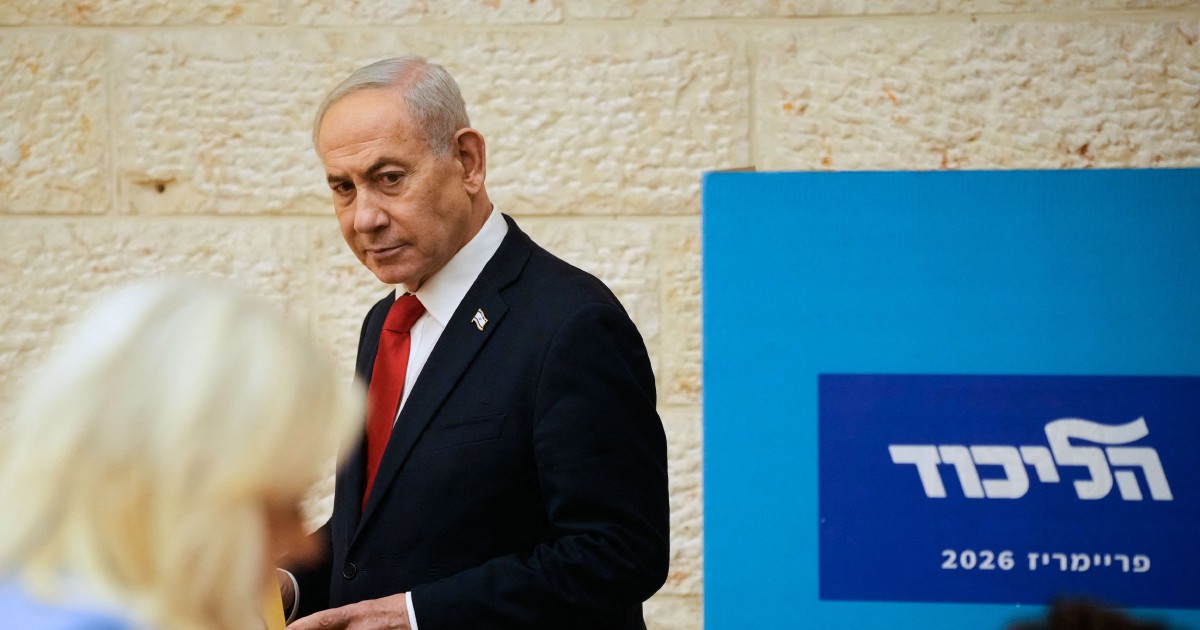
Turkey has issued an international arrest warrant for Israeli Prime Minister Benjamin Netanyahu, marking an escalation in diplomatic tensions between the two Middle Eastern nations. Justice Minister Akin Gurlek made the announcement Friday, stating that the warrant forms part of a formal investigation into Israel's interception of an aid flotilla destined for Gaza.
The move represents a significant hardening of Turkey's position toward Israel, particularly regarding humanitarian operations in the Gaza Strip. The warrant, issued through international channels, reflects Ankara's determination to pursue accountability for actions it views as violations of international maritime law and humanitarian principles. Such warrants, while symbolically powerful, carry limited practical enforcement mechanisms beyond signalling a country's legal position on the world stage.
The incident under investigation centres on the boarding of a humanitarian aid vessel, a flashpoint that has historically sparked regional tensions and international outcry. Turkey, which has long positioned itself as a supporter of Palestinian causes and a critic of Israeli military operations, has increasingly sought to translate diplomatic rhetoric into legal action. The arrest warrant decision suggests Ankara is willing to pursue formal justice mechanisms despite the broader geopolitical complications such moves entail.
For regional observers, Turkey's step carries symbolic weight in Arab and Muslim-majority countries that have grown frustrated with what they perceive as insufficient international accountability for Israeli actions in Gaza. The move may resonate particularly strongly among Turkish domestic constituencies that view support for Palestinian causes as a matter of national principle. However, the practical implications remain murky, as such warrants typically depend on cooperation from nations with extradition treaties or mutual legal assistance agreements.
The broader context involves deteriorating humanitarian conditions in Gaza and the international community's fragmented response. Turkey, as a NATO member with established legal frameworks for international justice, has chosen to use its domestic courts as platforms for raising complaints about Israeli conduct. This reflects a strategic decision to engage with international law as a tool for diplomatic expression, even when immediate enforcement seems unlikely.
Israeli-Turkish relations have experienced considerable turbulence in recent years, oscillating between periods of normalisation and sharp confrontation. Both nations maintain significant strategic interests in the eastern Mediterranean, and their relationship bears considerable weight in regional security calculations. Turkey's decision to issue this warrant comes amid a broader pattern of Turkish statements criticising Israeli military operations and humanitarian outcomes in Gaza.
The warrant announcement occurred within a wider global conversation about accountability for military operations in civilian areas. International criminal courts and national legal systems increasingly find themselves navigating complex questions about jurisdiction, evidence standards, and political implications when investigating alleged violations during armed conflicts. Turkey's action sits within this broader landscape of competing legal claims and accountability mechanisms.
For Malaysian and Southeast Asian observers, the development underscores the ways in which Middle Eastern conflicts influence diplomatic alignments globally. Several ASEAN nations maintain trade relationships and security partnerships with both Turkey and Israel, making such escalations a concern for regional policymakers seeking to maintain balanced positions. The arrest warrant, while unlikely to lead to Netanyahu's apprehension, signals that traditional diplomatic channels may be yielding to more confrontational legal strategies.
The humanitarian dimensions of this dispute merit particular attention. Aid flotillas represent efforts by civil society and sympathetic governments to address acute shortages of medical supplies, food, and other essential goods. Israel argues that security concerns justify boarding operations, while Turkey and supporters of Palestinian causes contend that such interceptions constitute violations of international humanitarian law. The warrant effectively transforms this disagreement from a maritime security matter into a formal criminal investigation.
Turkey's Justice Ministry announcement suggests that investigation files have reached a stage where prosecutors believe sufficient grounds exist to seek Netanyahu's apprehension internationally. Warrants of this nature typically require presenting evidence to a judge or investigating magistrate who determines that probable cause exists. The decision to proceed reflects confidence within Turkish legal authorities that their case meets threshold requirements under Turkish law.
Looking ahead, the warrant's practical significance will likely depend on Netanyahu's international travel patterns and the willingness of third countries to acknowledge and act upon Turkish judicial decisions. European nations with strong commitments to international law may face particular pressure to address any travel Netanyahu undertakes to their territory. Conversely, countries aligned more closely with Israel may refuse to recognise the warrant's validity.
The announcement also carries implications for Turkey's broader diplomatic strategy in the Middle East and Mediterranean regions. By pursuing formal legal mechanisms against Israeli leadership, Ankara positions itself as willing to translate rhetorical support for Palestinian causes into tangible action, even when symbolic rather than practically consequential. This may enhance Turkey's standing among certain constituencies while potentially complicating its relationships with Israel and Israel's principal international supporters.

