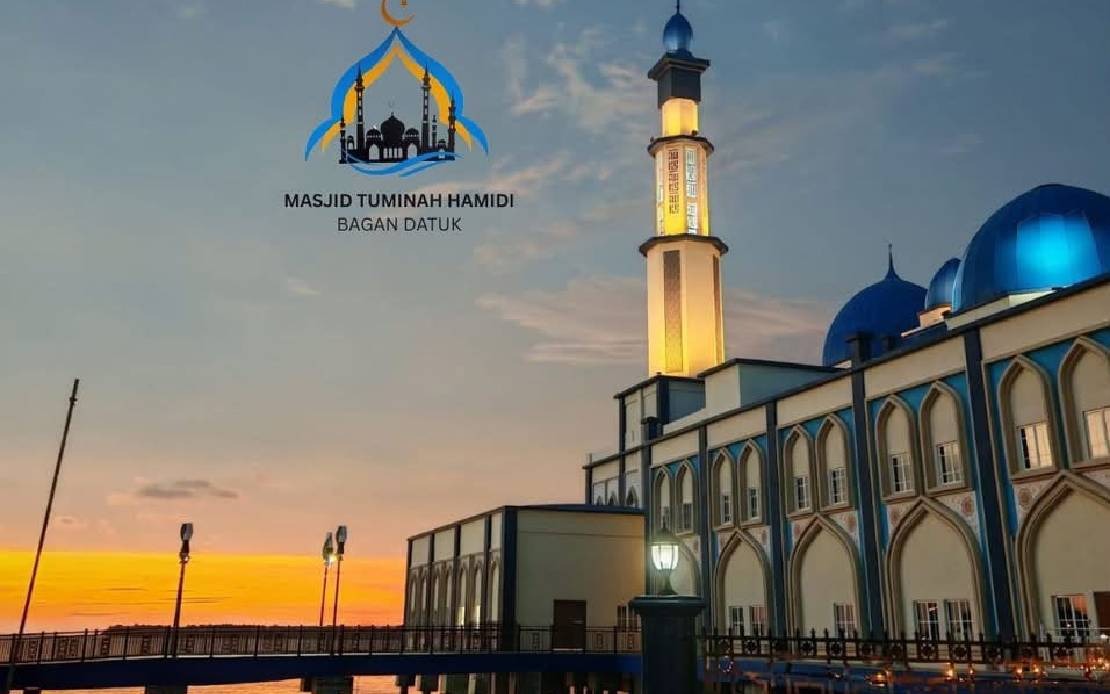
Malaysia is set to celebrate a milestone in religious tourism and community engagement with the launching of the country's first National Mosque Open Day at the Tuminah Hamidi Mosque in Bagan Datuk. The three-day inaugural event, scheduled for August 13 to 15, represents a significant initiative to reimagine mosques beyond their traditional religious function, positioning them as dynamic civic spaces that welcome the broader public. The Islamic Tourism Centre (ITC), operating under the Ministry of Tourism, Arts and Culture (MOTAC), is spearheading this groundbreaking programme, which will be officially inaugurated by Deputy Prime Minister Datuk Seri Dr Ahmad Zahid Hamidi.
The initiative reflects Malaysia's strategic positioning within the global Muslim-friendly tourism landscape, a sector that has grown substantially as destinations increasingly recognise the economic and cultural value of catering to Muslim visitors and facilitating interfaith understanding. By opening mosque doors to citizens and tourists of all backgrounds, the government aims to enhance the nation's appeal while simultaneously strengthening social cohesion domestically. The concept of mosque open days, though established as regular monthly events by ITC at various locations nationwide, has never before been elevated to national celebration status, signalling the government's commitment to integrating Islamic heritage promotion into its broader tourism and cultural strategy.
The Bagan Datuk location carries particular significance, being situated in Perak, a state with rich Islamic heritage and historical importance. The choice to launch this flagship event at Tuminah Hamidi Mosque underscores an intention to distribute cultural tourism benefits across Malaysia's regions rather than concentrating them in major urban centres. This geographical approach aligns with efforts to stimulate economic activity in secondary cities and rural areas, where mosque tourism could generate sustainable income for local communities through increased visitor spending on hospitality, food services, and transport.
The opening day programme on August 13 emphasises spiritual and cultural enrichment, commencing with a Qasidah performance by the Nur Ahli Badar group followed by tausiyah (religious guidance) sessions conducted by Ustaz Habib Ali Zaenal Abidin Alhamid and Ustaz Habib Najmuddin Othman Alkhered. This carefully curated schedule suggests that organisers are deliberately framing mosque visits not as voyeuristic tourism but as opportunities for meaningful engagement with Islamic spiritual traditions. Such an approach helps address potential sensitivities surrounding non-Muslim access to sacred spaces whilst creating authentic cultural experiences that resonate with visitors seeking genuine rather than superficial encounters with Islamic life and practice.
The centrepiece of the festival falls on August 15 at Dataran Bagan Datuk, where organisers have assembled a comprehensive programme catering to diverse age groups and interests. The morning begins with a brisk walk led by actor Bell Ngasri, a celebrity whose participation lends popular appeal to the event whilst normalising mosque engagement among the general public. The subsequent programme encompasses traditional games, a 3x3 street soccer tournament, e-sports competitions, archery, Islamic calligraphy demonstrations, and azan competitions—a deliberately eclectic mix designed to attract participants who might not typically visit religious spaces. This programming philosophy transforms the mosque complex into a genuine community gathering point rather than a mere heritage exhibit.
The inclusion of children's activities, particularly colouring contests and supervised exploration of the mosque and its environs, serves an important generational function. By introducing young Malaysians to mosque architecture, design principles, and community functions early in their lives, the programme cultivates lifelong appreciation for Islamic cultural heritage. This approach is particularly valuable in increasingly urbanised Malaysia, where younger generations may have limited exposure to traditional religious architecture or communal Islamic practices. Families attending together create positive associations between religious spaces and joyful shared experiences, contributing to interfaith understanding and social harmony in an ethnically diverse nation.
Performances by celebrities Aril Pilus and Elly Mazlein, alongside engaging demonstrations and exhibitor sessions, inject entertainment and celebrity appeal whilst maintaining cultural authenticity. The strategic deployment of popular figures ensures media coverage and social media engagement, extending the event's reach far beyond those physically attending. This multimedia approach recognises that contemporary cultural promotion requires integration with digital platforms and entertainment ecosystems to achieve meaningful public penetration. Lucky draws and cultural showcases maintain visitor interest whilst providing local artisans, crafts workers, and cultural practitioners with platforms to showcase their work and generate income.
Free admission and explicit statements welcoming visitors regardless of race, religion, or nationality directly address historical barriers that may have discouraged non-Muslim attendance at mosque events. Malaysia's relatively high levels of religious segregation in daily life—reflected in separate dining areas, wedding ceremonies, and social gatherings—means that intentional initiatives to facilitate cross-community experiences carry particular importance. By removing financial and explicit cultural barriers to mosque visitation, the National Mosque Open Day creates low-risk opportunities for Malaysians of different backgrounds to interact, dispelling stereotypes and building interpersonal relationships that strengthen social fabric at grassroots levels.
The underlying strategic vision positions mosques as integral components of Malaysia's tourism infrastructure alongside conventional attractions like temples, churches, and heritage sites. This positioning acknowledges that Malaysia's strength as a destination lies partly in its religious and cultural diversity, and that facilitating respectful engagement with Islamic heritage benefits both domestic social cohesion and international competitiveness. Regional competitors including Indonesia, Turkey, and Jordan have successfully developed mosque tourism as significant economic sectors; Malaysia's National Mosque Open Day represents an attempt to systematically develop similar capabilities whilst maintaining authentic community-centred programming rather than purely commercial exploitation.
The programme's establishment on a monthly basis at various mosques suggests that Bagan Datuk serves as a template for nationwide expansion. Future iterations at different locations could become anticipatory calendar events for Malaysian communities, fostering pride in Islamic architecture and heritage whilst providing regular opportunities for interfaith engagement. The success of this inaugural event will likely determine the programme's funding, political support, and institutional sustainability. Should attendance and community feedback prove positive, the National Mosque Open Day could evolve into a signature Malaysian cultural brand comparable to established festivals, potentially generating international interest and contributing measurably to tourism revenue.
For Malaysian travellers and expatriates seeking deeper understanding of the nation's Islamic dimensions, the event offers structured pathways to authentic engagement. For international visitors, it presents opportunities to experience Islamic culture within welcoming frameworks that emphasise hospitality and shared values. For local communities in participating towns like Bagan Datuk, the influx of visitors and associated economic activity could catalyse broader tourism development and infrastructure improvements. The Islamic Tourism Centre's decision to provide comprehensive information through social media and the mymuslimtrip.com platform ensures accessibility to contemporary audiences whilst building online communities of interest that extend engagement beyond physical visits.
The National Mosque Open Day ultimately represents a sophisticated response to contemporary challenges of religious understanding and social cohesion. Rather than treating interfaith engagement as a charitable obligation or diversity compliance exercise, the initiative frames it as celebration of Malaysia's distinctive heritage and community strengths. By combining spiritual authenticity with family-friendly entertainment, free access with quality programming, and local community benefit with international positioning, the event embodies a pragmatic approach to using cultural tourism as a vehicle for social good—a model that could potentially inspire similar initiatives across Southeast Asia and inform global best practices for inclusive heritage tourism development.

