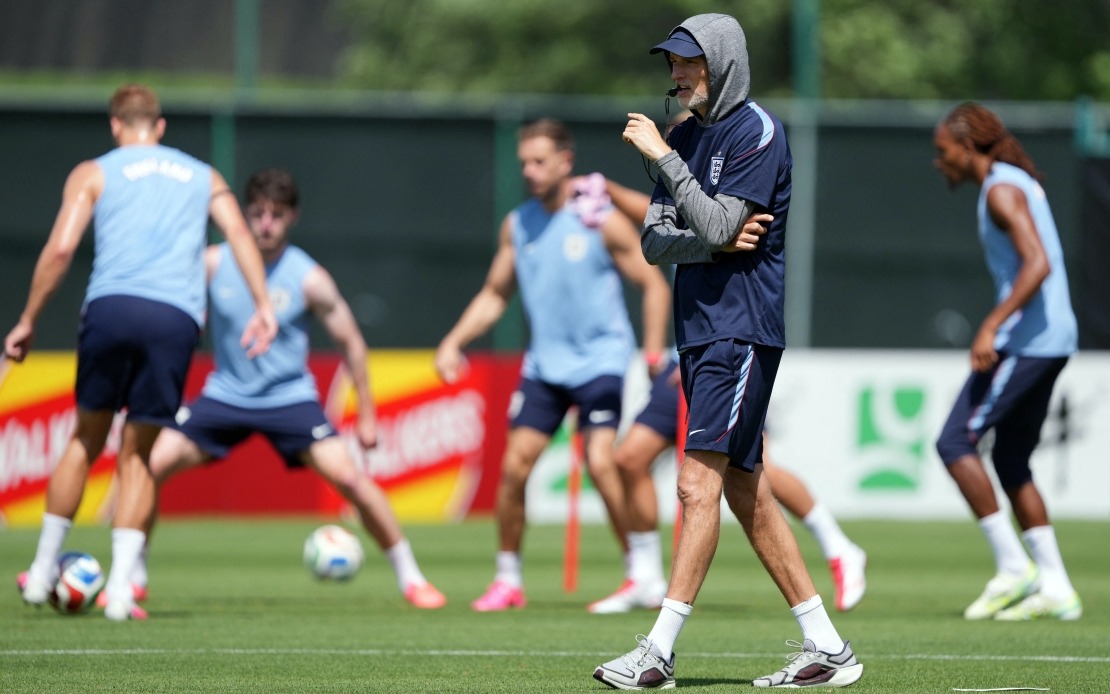
England's manager Thomas Tuchel is plotting a victory that will captivate a generation of young supporters experiencing their first tournament fixture, but he has cautioned that tactical pragmatism from the opposition could prevent a spectacle. The last-32 knockout encounter between England and the Democratic Republic of Congo takes place in Atlanta on Wednesday with a 5 pm UK time start, a scheduling departure that offers something unusual for English football's youth audience.
The timing represents a deliberate shift from England's earlier group-stage commitments, which kicked off at evening and late-night slots. Their opening matches against Croatia and Ghana began at 9 pm, while the Panama fixture that concluded the group phase started at 10 pm. This afternoon arrangement provides considerably better conditions for younger viewers who must balance school obligations with sporting enthusiasm, and Tuchel recognises the significance of this opportunity to forge memorable experiences for the next generation of supporters.
Tuchel's philosophy extends beyond merely winning the match. He understands that entertaining a global television audience, particularly children, requires a particular mindset and approach to the game. The England manager has been candid that defining entertainment in football can be complex and multifaceted, acknowledging that not all teams embrace the same attacking principles or tactical philosophy. His comments suggest awareness that the Democratic Republic of Congo may adopt a defensive approach designed to frustrate England's rhythm and limit scoring opportunities.
Yet Tuchel is determined to transmit something intangible through the broadcast that transcends conventional notions of attacking football. He speaks of capturing and communicating the spirit and energy that permeates the England camp, elements that he observes and experiences in daily training sessions and team interactions. His ambition is for young viewers, particularly those watching during an unusual afternoon slot because school schedules demand their attention elsewhere, to perceive the genuine passion and commitment that motivates the squad.
The manager has made clear his intent to ensure these young supporters feel pride and satisfaction regardless of the match's tactical complexities. He acknowledges the challenge of maintaining free-flowing, front-foot football when opponents employ contrasting strategies, yet remains optimistic that the team's collective spirit and determination will resonate with viewers watching from their homes. This perspective reveals Tuchel's understanding that victory alone will not necessarily constitute entertainment—the manner in which England conducts itself matters equally to the outcome.
Entertaining an audience that includes significant numbers of first-time tournament viewers carries particular responsibility for any manager. These young fans represent the future of English football support, and the experiences they form during major competitions can shape their long-term engagement with the sport. Tuchel's explicit focus on this demographic suggests awareness that creating positive memories extends the organisational reach and cultural impact of the national team beyond immediate sporting results.
English hopes rest partly on a straightforward 90-minute victory, though the knockout format introduces complications that goalkeeper Jordan Pickford has prepared for comprehensively. Pickford has indicated the squad's readiness for extended competition, including potential extra-time periods and the tension of penalty shootouts that can extend matches well beyond standard duration. The preparation extends beyond theoretical discussion into practical training regimes specifically designed to condition players for the elevated demands of elimination football.
Pickford's comments reflect the professional mindset necessary in knockout competition, where fortunes can shift dramatically in narrow moments. His acknowledgment that penalties remain possible indicates England's thorough preparation for scenarios that could transform an afternoon kickoff into a late evening affair for British viewers. This contingency planning demonstrates the comprehensive approach required at this competitive level, where marginal advantages often determine progression.
The Democratic Republic of Congo presents a formidable opponent despite their ranking relative to England, having navigated qualifying rounds and demonstrated the tactical discipline necessary to reach the knockout stage. Their approach to this encounter remains unpredictable, and Tuchel's earlier suggestion that they may not prioritise attacking football indicates his expectation of a tightly contested match rather than a one-sided display. This reality shapes the broader narrative surrounding Wednesday's encounter, tempering expectations of a straightforward performance while maintaining genuine competitive intensity.
For Malaysian and Southeast Asian audiences, this fixture carries relevance beyond the immediate English interest. The tactical and mental approaches Tuchel articulates speak to broader questions about team motivation, generational engagement with football, and the balance between entertainment and results that resonates across the region's football communities. The emphasis on inspiring younger supporters while maintaining competitive standards offers instructive examples applicable to domestic football contexts throughout Asia.
The afternoon scheduling itself represents an interesting dimension for regional viewers as well. Asian audiences may find the earlier UK start time more compatible with their own viewing schedules, potentially expanding the match's international reach and creating opportunities for broader engagement across timezones that typically struggle with late-night European kickoff times. This logistical consideration extends Tuchel's entertainment philosophy into practical accessibility for global supporters.

