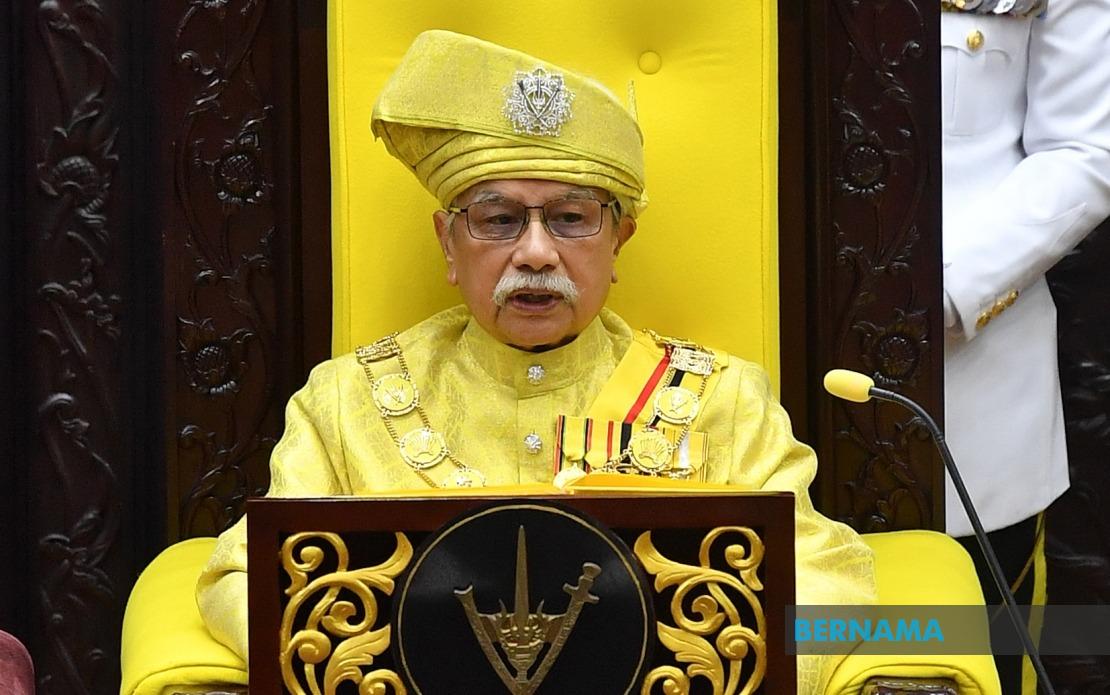
The installation of a new Undang for Rembau will receive formal royal recognition this weekend when Tuanku Muhriz Tuanku Munawir, the Yang Dipertuan Besar of Negeri Sembilan, presides over a ceremonial audience at Istana Besar Seri Menanti. The decision to hold the Istiadat Menghadap Menjunjung Duli Bagi Menyempurnakan Kejadian Undang Luak Rembau was announced by Tunku Ali Redhauddin Tuanku Muhriz, the Tunku Besar Seri Menanti, following consultations with the Datuk-Datuk Adat of Rembau at the palace in Kuala Pilah.
The ceremony will mark the formal conclusion of succession procedures for the traditional leadership position, which has remained vacant since the death of the previous office-holder, Datuk Lela Maharaja Datuk Muhamad Sharip Othman, in May 2024. The 83-year-old leader had served the Rembau community for many years before passing away following a period of illness. Hassan Ab Hamid, aged 67, has been identified as his successor through the community-led selection process that defines how this office rotates among qualified candidates.
Understanding the mechanics of Rembau's succession system requires appreciating the distinctly different governance structure that exists in Negeri Sembilan compared to other Malaysian states. Unlike many hereditary or appointive systems elsewhere in the peninsula, the Adat Perpatih framework that governs Rembau and other luaks operates on principles of collective selection rooted in customary law stretching back centuries. The selection of the 22nd Undang reflects these time-honoured practices, conducted through the Kerapatan Buapak Delapan ceremony, a formal gathering of customary leaders representing the Biduanda Nan Dua Carak clan. Datuk Juan Datuk Zulkipli Shamsudin, who chairs this ceremonial body, confirmed that the entire selection process was executed according to established adat procedures, ensuring legitimacy and community consent.
A critical distinction worth highlighting for Malaysian readers is the carefully delineated role of the Yang Dipertuan Besar within this system. Rather than representing an exercise of executive prerogative or royal appointment, the Saturday audience functions as a formal ratification of a decision already made by the adat community itself. Zulkipli elaborated on this constitutional nuance, explaining that the Undang position emerges from customary processes internal to the luak, not from the sovereign's personal discretion. The Yang Dipertuan Besar's involvement, while ceremonially significant and constitutionally proper, amounts to recognising and formally acknowledging a selection that the community has already made through its established mechanisms.
This clarification addresses potential confusion about how traditional authority operates in Negeri Sembilan's unique constitutional framework. In systems elsewhere that readers may be more familiar with, such distinctions between appointment and recognition, between choosing and ratifying, might blur. However, in the Adat Perpatih system, the boundary remains sharp and historically meaningful. The Yang Dipertuan Besar neither summons nor selects individuals according to personal preference. Rather, when representatives of the luak approach the palace seeking recognition of their decision, the sovereign grants or withholds consent on constitutional grounds. This framework has structured Negeri Sembilan's governance for centuries and remains foundational to how customary leadership functions today.
For the broader Malaysian public, the upcoming ceremony illustrates how traditional institutions continue to operate according to their own constitutional logic, even in the modern era. Negeri Sembilan stands out as a state where federal structures exist alongside and sometimes independently of these older customary frameworks. The simultaneous operation of both systems—modern governance and adat tradition—demonstrates the pluralistic nature of Malaysia's constitutional architecture. Many federal states have gradually absorbed or subordinated their traditional leadership systems, but Negeri Sembilan has preserved considerable autonomy for its customary institutions, allowing them to function with integrity according to their own principles.
The selection and installation of a new Undang carries implications that extend beyond ceremonial pomp. The Undang position carries responsibilities for adjudicating customary disputes, maintaining adat traditions, and serving as a custodian of community welfare within the luak. Hassan Ab Hamid will inherit these obligations alongside the ceremonial stature that accompanies the title. His selection suggests the adat community assessed him as capable of carrying forward the intellectual, moral, and practical dimensions of the office. Unlike appointed positions where external authorities might prioritise certain criteria, customary selection processes typically reflect the community's accumulated judgment about who can best serve their interests and preserve their traditions.
The timing of the formal ceremony at Istana Besar Seri Menanti carries symbolic weight. The palace itself functions as more than a mere administrative building; it represents the apex of Negeri Sembilan's constitutional structure and the point where various sources of authority meet. By conducting the ratification ceremony there, the Yang Dipertuan Besar demonstrates respect for the customary process while lending the weight of his office to its outcome. This convergence of traditional and formal authority creates a moment of constitutional significance for Rembau and, in microcosm, illustrates how Malaysia's layered constitutional arrangements function in practice.
For those unfamiliar with Negeri Sembilan's governance, the distinction between luaks and other administrative divisions merits explanation. Luaks represent territorial units organised around customary principles and historical settlement patterns, rather than bureaucratic efficiency. Rembau functions as one of several such luaks, each with its own Undang serving as custodian of its customary heritage. This territorial-customary structure reflects pre-colonial governance patterns that the federation has chosen to preserve and, indeed, constitutionally protect. The preservation of these institutions alongside modern state apparatus demonstrates Malaysia's recognition that governance systems can coexist and serve different functions without necessarily conflicting.
The ceremony scheduled for Saturday will formalise what the adat community has already determined through its own processes. Whether readers view such ceremonies as quaint survivals from earlier eras or as demonstrations of Malaysia's constitutional sophistication, the upcoming installation of Hassan Ab Hamid as the 22nd Undang of Rembau reflects living traditions that continue to command respect and organise meaningful dimensions of community life. The Yang Dipertuan Besar's participation underscores the constitutional recognition these institutions enjoy, ensuring that customary authority rests not merely on community acceptance but on formal acknowledgement by the state's highest office in Negeri Sembilan.

