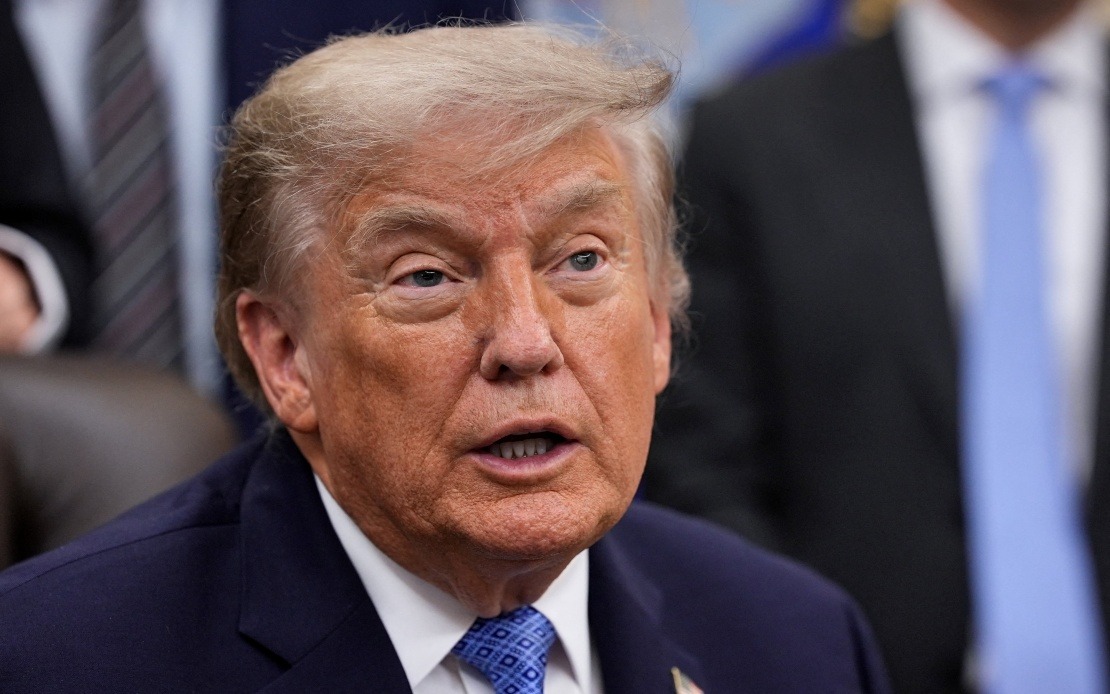
United States President Donald Trump is preparing to deliver a national televised address on Thursday evening at 9 pm Eastern time, according to an announcement posted on his Truth Social account. The timing places the speech during one of the most coveted broadcasting slots in American television, when the largest domestic audiences typically tune in for presidential communications. The specific subject matter Trump intends to cover has not been disclosed, leaving observers and analysts to speculate about the probable focus of his remarks.
Presidential addresses of this nature in the American political system are typically reserved for moments when a sitting president deems it necessary to communicate directly with the nation about matters of significant consequence. These speeches serve multiple purposes: they allow a president to frame major policy announcements, respond to national crises, or mobilize public opinion around particular issues. Given the geopolitical and economic turbulence currently dominating American news cycles, several pressing topics could warrant such a high-profile address.
Much of the speculation surrounding the address centres on whether Trump will address the escalating conflict with Iran, which has dominated American headlines for months and shows signs of intensifying further in recent days. This crisis carries substantial domestic implications beyond foreign policy considerations, particularly regarding its economic impact. The conflict has contributed to volatility in global energy markets, with petrol prices experiencing notable fluctuations that directly affect American households and businesses. Rising fuel costs represent a tangible economic pressure point that shapes public sentiment and political calculations.
For Malaysian and Southeast Asian readers, developments in US-Iran relations warrant close attention due to the region's dependence on stable energy supplies and uninterrupted shipping through critical waterways. Escalation in Middle Eastern tensions inevitably creates ripple effects across Asian economies, affecting fuel prices, supply chains, and investment confidence. Any American policy shifts toward Iran could reshape regional alignments and influence how countries throughout Asia approach their own relationships with both Washington and Tehran.
This address arrives during a politically challenging period for Trump's Republican Party. Approximately four months remain before the midterm elections, a crucial electoral contest that will determine control of legislative chambers. Current polling data suggests the Republican Party faces headwinds in this upcoming contest, with voter sentiment appearing less favourable than parties typically desire heading into such pivotal elections. A televised address provides Trump with an opportunity to reshape political narratives, energize his base, and potentially shift public perceptions before voters head to the polls.
The speech represents Trump's continuation of direct communication with Americans during his second presidential term, which commenced in January 2025. Previous major addresses during this period have focused on defending his administration's economic performance amid mounting domestic criticism. In December, Trump delivered remarks specifically designed to counter mounting pressure regarding his economic record and policy outcomes. Each presidential address serves as a strategic communication tool, carefully timed and positioned to advance particular political objectives or respond to contemporary challenges.
The choice of prime-time television for this address demonstrates the importance Trump's team places on reaching the broadest possible audience. Prime-time slots offer maximum viewership potential, allowing the president to bypass traditional news media filters and communicate his message directly to millions of Americans simultaneously. This direct appeal mechanism has become increasingly significant in contemporary American politics, where presidents seek to shape public opinion and media narratives through carefully orchestrated communications.
Trump's reluctance to specify the address topic beforehand may itself be strategic, as uncertainty can drive viewership and media anticipation. American networks will provide blanket coverage of the speech, ensuring comprehensive dissemination of whatever message the president intends to deliver. The news media's obligation to cover presidential addresses ensures that even citizens who do not watch the live broadcast will encounter the content through subsequent reporting and analysis.
For international observers, including those in Southeast Asia, this address represents a significant moment for understanding American strategic intentions. Whether Trump addresses Iran, economic policy, domestic challenges, or a combination of issues, his remarks will provide clarity about administration priorities and the direction of American policy in coming months. The address also reflects broader patterns in American political communication, where television remains a dominant medium for presidential messaging despite the rise of digital platforms and social media.
The geopolitical context surrounding this address cannot be understated. With international tensions simmering across multiple regions and economic pressures affecting nations globally, American policy signals carry substantial weight. Trump's previous statements and actions regarding Iran have proven consequential for regional stability and global markets. Any new positions or emphases articulated during Thursday's address may influence responses from both adversaries and allies throughout the world.
For Malaysian policymakers and business leaders monitoring American political developments, this address warrants attention regardless of its specific focus. American domestic politics increasingly intersect with regional considerations, from trade relationships to security arrangements to energy markets. Understanding Trump's current priorities and messaging strategies helps regional actors anticipate potential shifts in American foreign policy and prepare appropriate responses.

