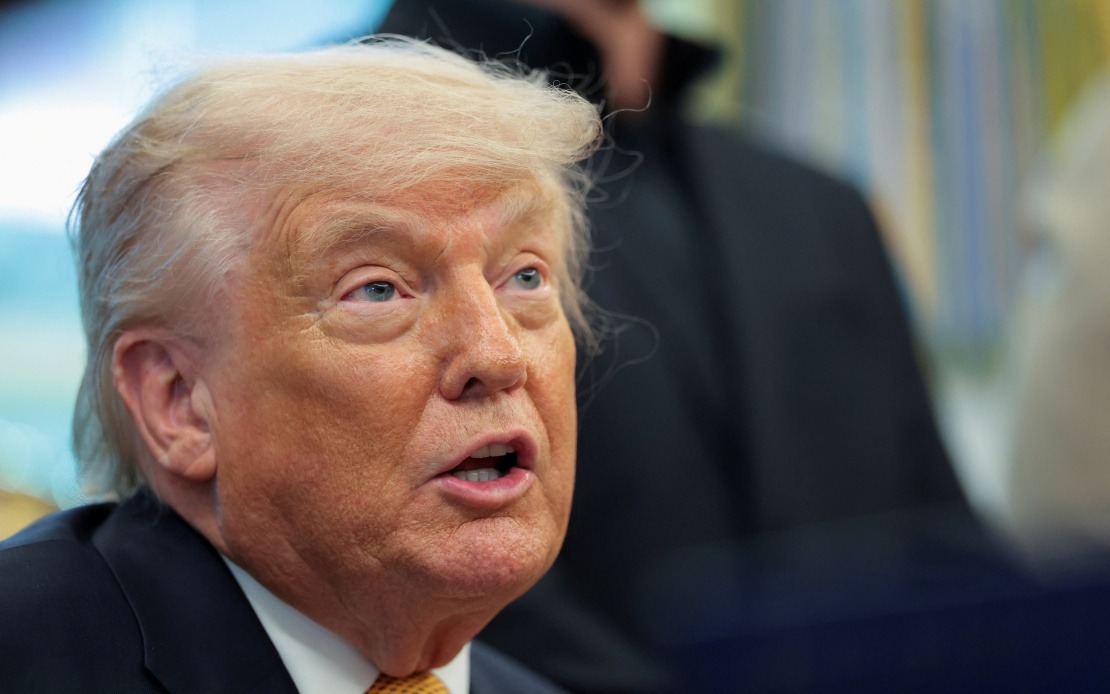
The White House is projecting optimism about negotiations aimed at resolving the nuclear dispute with Iran, with President Donald Trump characterising the talks as proceeding favourably. Speaking to reporters on Wednesday before travelling to North Dakota, Trump expressed confidence that his diplomatic representatives in Doha—Steve Witkoff and Jared Kushner—were achieving meaningful progress in their consultations. His upbeat assessment contrasts sharply with the volatile regional situation, where military actions have repeatedly threatened to derail peace efforts over recent months.
Trump's comments represent a significant pivot toward diplomacy following reports that he had previously contemplated escalating military operations against Tehran in consultation with Defence Secretary Pete Hegseth and other senior military officials. Rather than pursuing that path, the administration has chosen to channel its efforts into negotiated settlement, a decision that suggests the White House believes sustained diplomatic engagement offers better prospects for achieving its strategic objectives than further military strikes.
The president acknowledged that while American forces had inflicted substantial damage during recent military operations, he now views the diplomatic channel as the more productive avenue. His statement that "we're getting along very well" reflects an attempt to project momentum and build confidence among negotiating parties, even as underlying tensions remain considerable across the region.
However, a crucial gap exists between Washington's optimistic public rhetoric and Tehran's more cautious stance. Iranian officials have explicitly denied that direct bilateral meetings are occurring with American representatives, insisting instead that all communication flows through intermediaries. This distinction matters significantly because it suggests that while progress may be occurring in technical discussions, the fundamental diplomatic architecture remains limited and fragile. Direct engagement between the two nations, while not explicitly ruled out, has not yet materialised in the formal sense.
The framework guiding these discussions emerged from a memorandum of understanding brokered by Pakistan, which was electronically signed by Iranian President Masoud Pezeshkian and Trump. This agreement establishes the parameters for potential resolution of the conflict that commenced in late February, extending beyond merely nuclear concerns to encompass the broader regional security architecture. The agreement outlines provisions for halting hostilities across multiple theatres, including Lebanon, and addresses interconnected issues such as sanctions relief, the nuclear programme, reopening the Strait of Hormuz, and establishing lasting regional security mechanisms.
The complexity of the negotiating agenda underscores why rapid breakthroughs remain unlikely. The discussions are not narrowly focused on nuclear enrichment limits or inspection protocols, but rather encompass geopolitical questions that touch on the fundamental interests of multiple regional actors and their international allies. For Malaysian and Southeast Asian observers, the stakes extend beyond the immediate Iran-US relationship, as disruptions to the Strait of Hormuz—through which substantial volumes of oil destined for Asian markets transit daily—carry direct economic implications.
Recent reporting from major financial publications indicates that technical discussions in Qatar are yielding incremental progress, suggesting that negotiators have moved beyond preliminary positioning toward substantive engagement on specific issues. This shift from posturing to substance-focused talks represents genuine forward movement, though it remains distant from the comprehensive agreement that would be required to permanently resolve the conflict and restore normal relations.
Trump's characterisation of Iran as having "come a long way" suggests he perceives the Iranian side as moderating its positions or showing willingness to make concessions. Whether this reflects genuine shifts in Tehran's negotiating posture or represents Trump's interpretation of signals conveyed through intermediaries remains unclear. The absence of direct communication channels makes it difficult to assess the actual convergence of positions versus optimistic framing by either side.
The emphasis on diplomacy also carries domestic political implications for Trump, who faces complex domestic pressures regarding military spending, foreign policy priorities, and the risks of further regional entanglement. Achieving a negotiated settlement would allow him to claim a diplomatic victory and demonstrate that military pressure had successfully brought an adversary to the negotiating table, a narrative that appeals to his political base.
For Southeast Asia, the outcome of these negotiations carries substantial weight. The region depends heavily on stable energy supplies and unimpeded maritime commerce. A return to escalated military tensions or, conversely, a diplomatic breakthrough that stabilises the region would both carry significant implications for regional stability and economic performance. Malaysian policymakers and business interests have vested interests in seeing these negotiations move toward successful resolution rather than reverting to conflict.
The months ahead will reveal whether the current diplomatic momentum can be sustained or whether the structural obstacles to agreement will prove insurmountable. The fact that both sides have agreed to maintain a negotiating process, even if conducted through intermediaries, represents a foundation upon which further progress might be built. Whether that foundation proves sufficient to support the comprehensive agreement outlined in the memorandum of understanding remains the essential question.
For now, the White House strategy appears to prioritise maintaining negotiating channels open while avoiding rhetorical escalation that might provoke military reactions from either side. Trump's measured comments about Iran's willingness to engage suggest recognition that sustaining the diplomatic process requires managing expectations and avoiding triumphalist statements that might invite hardline reactions from Iranian critics of engagement.

