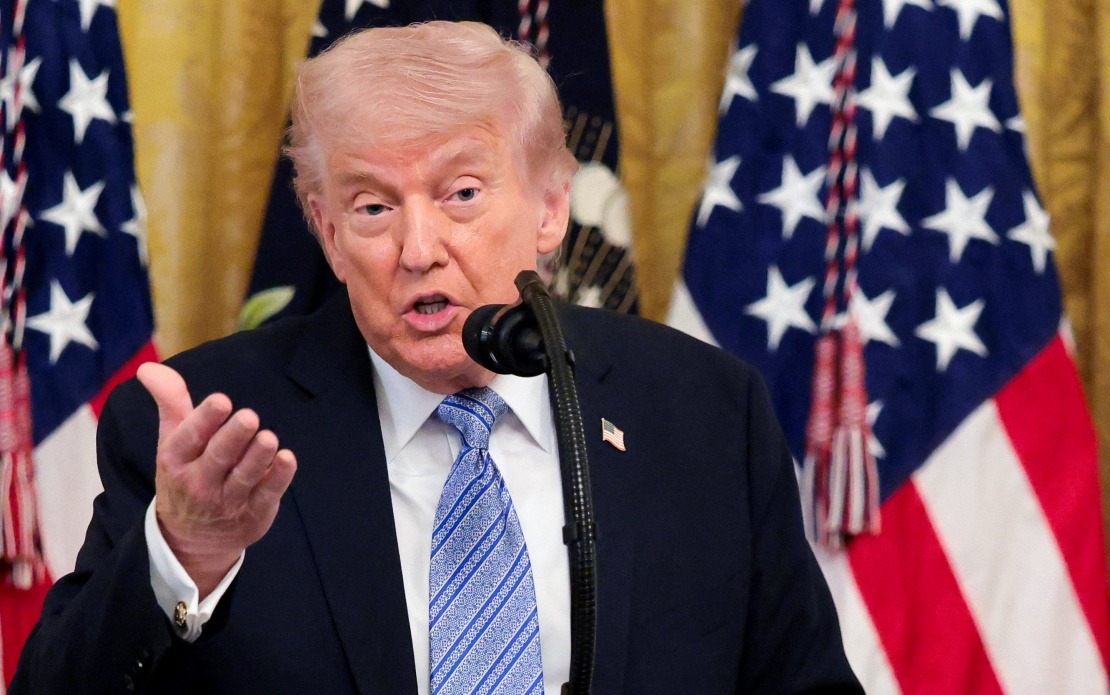
US President Donald Trump announced on Monday that he had conducted a productive telephone discussion with Andy Burnham, who recently assumed office as Prime Minister of the United Kingdom. The conversation, according to Trump's statement on Truth Social, proceeded smoothly and touched upon several subjects of significance to both nations. Trump characterised the exchange positively, signalling early engagement between Washington and London's new leadership at a time when international relations remain in flux across the Atlantic.
The US President emphasised the strength of long-standing ties between America and Britain, describing their historical partnership as "outstanding" and worthy of continued attention. This framing carries weight given ongoing discussions about the future direction of bilateral trade agreements and defence cooperation between the two countries. For Malaysian observers, the tenor of US-UK relations sets important precedent for how Washington approaches partnerships with traditional allies, including those in Southeast Asia who depend on stable great power dynamics.
Among the specific topics addressed during the call, Trump highlighted North Sea oil production, a matter of energy security significance in European markets. The inclusion of this issue in diplomatic discussions underscores how energy policy remains central to transatlantic negotiations, particularly as Europe seeks to diversify away from Russian supplies and manage its energy independence amid global price volatility. The North Sea's ongoing relevance reflects broader concerns about energy supply chains that resonate across Asia-Pacific economies dependent on maritime trade routes and reliable fuel imports.
Trade arrangements formed another substantial component of their conversation. The specific mention of trade discussions suggests ongoing negotiations or planned discussions about post-Brexit commercial relationships between the United States and United Kingdom. These negotiations could influence global trade patterns and provide important signals about how the Trump administration intends to approach bilateral trade agreements more broadly, a matter of considerable interest to trading nations throughout the region including Malaysia.
Millitary alliance cooperation featured prominently in Trump's account of the discussion. The US-UK defence partnership, underpinned by NATO commitments and intelligence sharing frameworks like the Five Eyes alliance, remains foundational to Western security architecture. Reaffirming these commitments during early conversations with new UK leadership indicates continuity in strategic thinking on both sides of the Atlantic, even as political leadership changes occur. For regional powers, stability in the Western alliance structure affects broader geopolitical calculations and security arrangements.
Particularly noteworthy was Trump's reference to the demining of the Hormuz Strait, indicating international concern about maintaining freedom of navigation through one of the world's most critical chokepoints. The Strait of Hormuz represents a vital passage for global energy supplies, with approximately one-third of seaborne oil transiting through these waters. Malaysian shipping interests and broader regional economic health depend substantially on unobstructed passage through this strategic waterway. International coordination on demining operations reflects growing recognition that regional security challenges require collaborative approaches.
Trump indicated that substantive meetings between himself and the new British Prime Minister would occur in the relatively near term, suggesting both sides intend to formalise their engagement beyond initial telephone conversations. Such summit-level interactions typically serve to lock in policy commitments and establish working relationships between senior officials. The timing and substance of these planned meetings will likely signal the direction of bilateral relations and potentially influence broader international alignments affecting trade, defence, and security partnerships.
The call's characterisation as "interesting" and as having "gone very well" reflects diplomatic language suggesting no significant disagreements emerged during their discussion. Early calls between newly sworn leaders and established administrations often serve relationship-building functions, establishing personal rapport and demonstrating commitment to continuity despite electoral changes. This positive opening bodes well for ongoing collaboration on shared security and economic interests.
For Malaysia and other Southeast Asian nations observing these developments, the tone and substance of US-UK engagement matters considerably. These two powers maintain significant military presence and economic interests throughout the region. Their bilateral relationship influences how they coordinate approaches to regional security challenges, maritime trade protection, and responses to strategic competition from other major powers. The emphasis on maintaining strong ties and addressing shared concerns suggests that transatlantic cooperation will remain a defining feature of international relations during this period.
The breadth of topics covered—from energy to trade to military matters—demonstrates the comprehensive nature of modern US-UK relations. Rather than addressing single issues in isolation, their discussion reflected an integrated approach to bilateral partnership encompassing economic, security, and strategic dimensions. This holistic engagement model underscores how great power relationships involve multiple policy streams that must be coordinated and maintained simultaneously.
Looking forward, the pledge to meet in person signals intention to develop detailed policy frameworks across these various domains. Such formal meetings typically produce joint statements, working group arrangements, and policy commitments that shape bilateral relations for months or years ahead. The outcomes of these planned meetings will deserve close attention from regional observers seeking to understand how the US and UK intend to coordinate their activities and influence in global affairs, including matters affecting Southeast Asia's security and prosperity.

