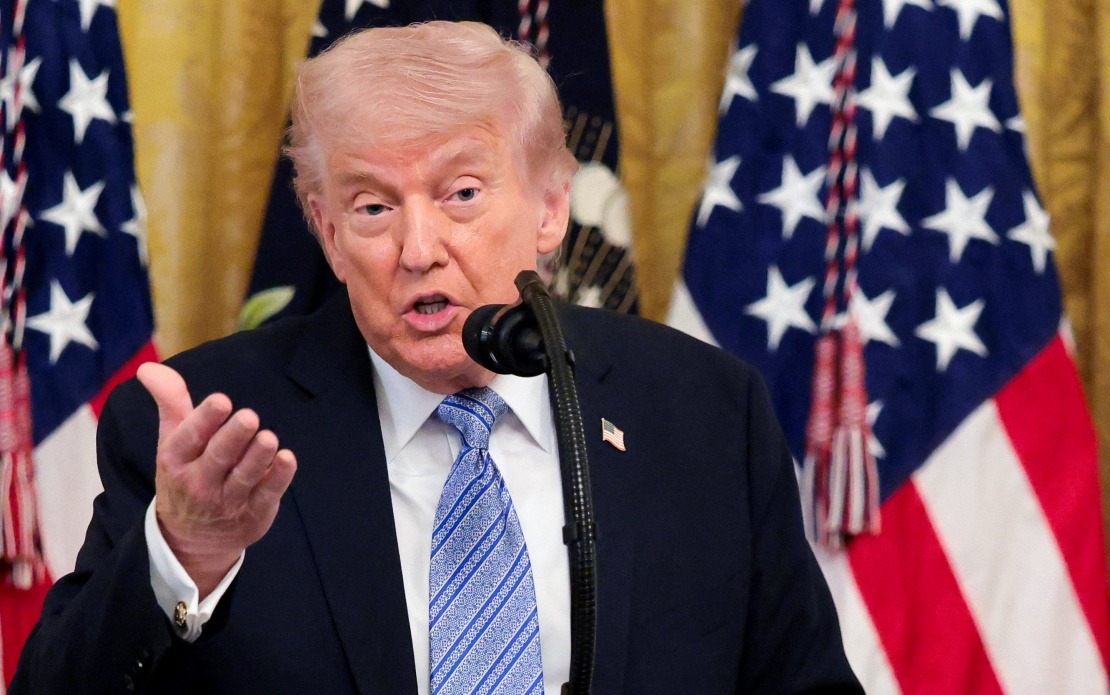
President Donald Trump declared on Tuesday that the United States has suspended all diplomatic engagement with Iran, confirming through his Truth Social platform that no negotiations are currently proceeding or scheduled with Tehran. The announcement represents a significant recalibration of American approach toward the Islamic Republic, coming after months of volatile interactions between the two nations and signals a fundamental shift in how Washington intends to manage its relationship with Iran going forward.
According to CNN's reporting, citing administration sources, Trump personally instructed his top negotiating envoys—Vice President JD Vance, Middle East envoy Steve Witkoff, and special adviser Jared Kushner—to discontinue their diplomatic channels with Iranian officials. This directive came following what multiple sources characterized as constructive discussions between the two sides, suggesting that the breakdown in communication was a deliberate policy choice rather than the result of failed negotiations or hostile escalation from Tehran.
Concurrently with halting talks, Trump reaffirmed America's military posture in the Persian Gulf region. He stated that the naval blockade of Iranian shipping remains fully operational and that the strategically vital Strait of Hormuz continues to function under American control. Trump further claimed that all water mines in the strait have been either neutralized or removed, presumably referring to Iranian defensive measures deployed during earlier tensions. These assertions underscore Washington's determination to maintain economic pressure on Tehran through maritime restrictions and military presence.
The policy pivot reflects an internal shift among Trump's national security team regarding the optimal approach to Iran policy. White House officials have communicated to congressional allies that the administration is transitioning from a doctrine of immediate military and economic confrontation—described colloquially as "hammer Iran ASAP"—toward a protracted strategy of systematic containment aimed at weakening Iran's position over an extended period. This longer-term approach suggests the administration believes sustained pressure will yield greater strategic advantage than rapid escalation.
Jared Kushner's recent visit to Israel on Monday adds another dimension to the evolving regional dynamics. During his meeting with Prime Minister Benjamin Netanyahu, Kushner emphasized that communications between Washington and Tehran had become "more robust" than ever, indicating that despite the public freeze on formal negotiations, informal channels of communication between the two governments remain active. Kushner's subsequent briefing to Fox News appeared designed to signal to regional allies that American intentions toward Iran remain firm, even as direct diplomatic engagement is curtailed.
The recent history of US-Iran relations under Trump's current administration reveals a pattern of volatile negotiations interrupted by military confrontations. In April, the two nations reached a ceasefire agreement following months of escalating tensions. This was followed by a more formal memorandum of understanding signed in June that established a framework for resolving military conflicts and pursuing a comprehensive peace settlement. However, this agreement unraveled last month when both sides resumed military operations, with Iranian and American forces exchanging strikes for nearly two weeks before Trump unexpectedly halted American bombardment efforts.
The interruption of the bombing campaign appeared motivated by Trump's desire to preserve the possibility of reviving the negotiated settlement, despite the apparent collapse of the June agreement. This suggests that even as the administration now officially suspends direct talks, underlying strategic calculations may still favor reaching some form of accommodation with Tehran, albeit under different terms and timelines than previously attempted. The decision to pursue containment rather than confrontation could reflect recognition that neither side has achieved decisive military advantage through recent exchanges.
For Malaysian and Southeast Asian observers, these developments carry significant implications for regional stability and international commerce. The Strait of Hormuz remains one of the world's most critical chokepoints for global energy supplies, with the overwhelming majority of Middle Eastern oil exports transiting through its narrow passages. Any prolonged American-Iranian tensions in this region directly affect fuel prices, shipping insurance costs, and energy security for all nations dependent on Persian Gulf petroleum, including Malaysia's significant energy import requirements.
The Trump administration's pivot toward long-term economic containment rather than military escalation may ultimately prove less disruptive to regional commerce than continued armed conflict, though the extended naval blockade itself poses risks to international shipping and trade. Malaysia and other ASEAN nations maintain complex diplomatic relationships with both the United States and Iran, and the hardening of American positions creates difficult balancing acts for Southeast Asian governments seeking to maintain productive relationships with both powers while protecting their economic interests in Gulf trade.
The suspension of formal negotiations also raises questions about the durability of any future agreement that might eventually be negotiated. If Washington has instructed its envoys to cease engagement precisely when Iranian officials indicated willingness to engage constructively, this suggests the Trump administration believes a pause will ultimately strengthen America's negotiating position through demonstration of resolve and patience. Whether this calculation proves correct will significantly influence the trajectory of Middle Eastern geopolitics throughout the remainder of Trump's term and beyond.

