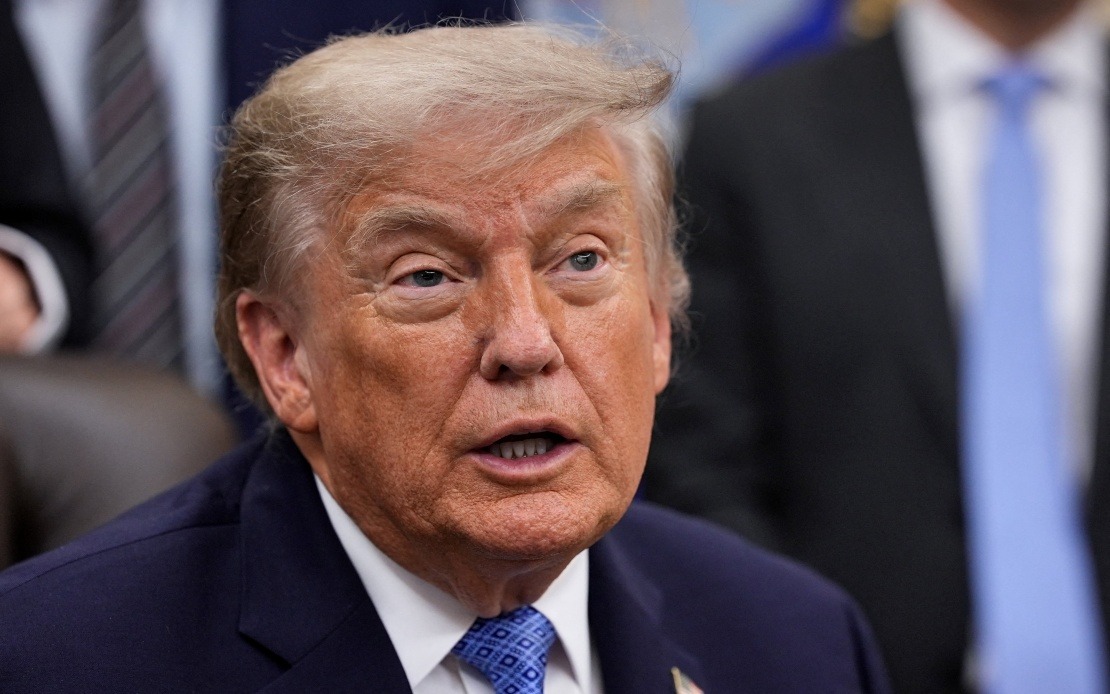
The escalating trade tensions between the United States and Canada have taken an unexpected turn as President Donald Trump announced a temporary pause on punitive tariffs scheduled to take effect imminently. In a statement posted to his Truth Social platform on Tuesday evening, Trump revealed that he had decided to hold off implementing a 50 per cent tariff increase on Canadian goods, with the suspension set to last for a three-day period. This decision comes just hours before a midnight deadline when the tariffs were originally meant to become operative, suggesting last-minute negotiations between Washington and Ottawa have yielded some progress.
The ostensible trigger for Trump's announcement was a telephone conversation held on Tuesday between the US President and Canadian Prime Minister Mark Carney. During this discussion, the two leaders appear to have made sufficient headway on bilateral trade matters to justify the pause. Trump's characterisation of the situation—stating that Canada and the United States have "a deal" subject to finalisation of documentation—indicates that the broad contours of an agreement have been sketched, though formal completion and signing remain pending. The language used suggests neither side wished to allow what they view as a largely resolved arrangement to collapse over procedural delays.
From the Canadian perspective, the stakes involved in these negotiations are substantial. The tariffs that Trump had threatened would have targeted approximately C$30 billion, equivalent to roughly $22 billion in American currency, worth of Canadian merchandise exports to the United States. For an economy as integrated with the American market as Canada's, such a significant duty increase would have reverberated across multiple sectors and potentially triggered retaliatory measures from Ottawa. The fact that Canadian negotiators secured even a temporary reprieve suggests they brought meaningful concessions or proposals to the negotiating table.
One particularly intriguing element of Trump's announcement involves the potential revival of the Keystone XL pipeline, a major energy infrastructure project that would transport crude oil from western Canada to refineries in the American south. The previous Biden administration had terminated permits for this pipeline during its first days in office, a decision that had disappointed Canadian officials and energy sector advocates who viewed the project as critical to continental energy security and economic development. By suggesting that the nascent trade agreement could include provisions that would resurrect Keystone XL, Trump has signalled that energy infrastructure cooperation may constitute a central pillar of any final accord.
For Malaysia and other Southeast Asian nations, developments in North American trade policy carry indirect but meaningful implications. When the world's largest economy and its neighbour engage in tariff disputes, the reverberations extend globally through supply chain disruptions, exchange rate volatility, and shifts in investment patterns. A protectionist spiral between the US and Canada could prompt companies to recalibrate their sourcing strategies, potentially creating both challenges and opportunities for suppliers across Asia. Conversely, a swift resolution that keeps continental trade flowing smoothly supports the stability that regional exporters require.
The three-day pause that Trump has imposed represents a negotiating tactic rather than a final resolution. By setting such a brief window, both sides face intense pressure to conclude remaining details and formally execute an agreement. This compressed timeframe suggests that while major sticking points have been addressed, granular implementation details and technical language still require resolution. The symbolism of the pause itself—rather than an outright cancellation of the tariff threat—maintains leverage for both parties, discouraging either side from backsliding on commitments made during these crucial hours.
Canadian Prime Minister Mark Carney's team will likely spend the next seventy-two hours finalising documents, incorporating any last-minute adjustments that American negotiators may demand, and preparing the domestic political case for whatever arrangements have been reached. In Canada's federal system, trade agreements often require coordination across multiple provincial governments, particularly those with significant energy or agricultural interests, adding complexity to the finalisation process even when federal-level negotiators have reached understanding.
The involvement of energy infrastructure in these discussions underscores how contemporary trade negotiations have become multidimensional affairs. Rather than focusing solely on tariff rates and quotas in the traditional sense, modern agreements increasingly encompass infrastructure, investment protections, and strategic resource access. The Keystone XL component suggests that whoever ultimately prevails in these negotiations has managed to link energy cooperation to broader commercial arrangements, implying that both capitals view continental energy integration as strategically valuable.
Looking ahead, the three-day window will be closely watched by markets, industry groups, and governments worldwide. A successful agreement would represent a significant diplomatic achievement and would suggest that despite rhetoric about trade wars, pragmatic compromises remain possible at the highest levels of North American governance. The energy and manufacturing sectors on both sides of the border have strong incentives to ensure that negotiators cross the finish line, given the economic consequences of prolonged tariff uncertainty. Whether the deadline will be extended again, replaced with a final accord, or allowed to expire remains to be seen, but the current pause at minimum signals that both governments view negotiations as productive enough to warrant continued effort rather than escalation.

