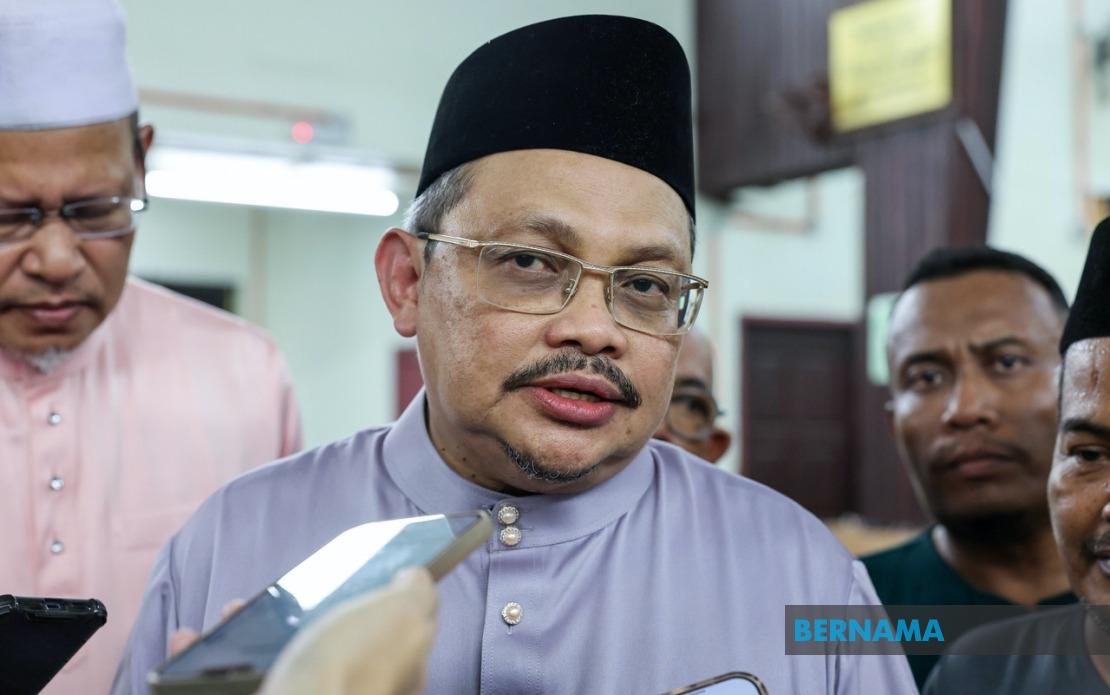
Independence remains an unfulfilled aspiration for many nations unless it delivers tangible improvements in citizens' lives through principled governance, according to Tan Sri Dzulkifli Ahmad, the former Chief Commissioner of the Malaysian Anti-Corruption Commission. Speaking after attending the 2026 Tasek Gelugor Independence Day Children Carnival at Al-Ridwan Mosque in Kampung Nyior Sebatang on National Day, Dzulkifli articulated a nuanced understanding of what merdeka truly means for Malaysians—moving beyond the historical act of breaking free from colonial powers to embracing a deeper social contract between rulers and ruled.
The distinction Dzulkifli draws is particularly resonant as Malaysia enters a period of political transition. While national sovereignty and self-determination form the bedrock of any independent state, the former anti-corruption chief contends that these foundational achievements become hollow if they merely substitute one form of oppression for another. His observation that citizens can slip from colonial subjugation into governance marked by corruption, abuse of power, or indifference to public welfare reflects ongoing anxieties within Malaysian society about institutional integrity and whether those in positions of authority genuinely prioritize national interest over personal advancement.
For independence to bear real meaning, Dzulkifli emphasized, leaders must embody sacrifice and commitment to their constituents' wellbeing. This framing suggests that the quality of governance—characterized by ethical decision-making, transparency, and accountability—forms the true measure of a nation's maturity and freedom. Without such leadership qualities, he implies, formal independence becomes merely a ceremonial status rather than a lived experience of dignity and protection for ordinary citizens. The implication carries weight particularly in Southeast Asia, where numerous post-colonial states have struggled to translate political independence into genuine democratic participation and shared prosperity.
The carnival itself represented a community-focused approach to National Day commemorations, transcending traditional patriotic ceremonies to involve direct civic engagement. Organized as part of the 69th National Day celebrations, the event drew participation from over 700 residents in its fun run component, with an additional 200 to 300 cyclists taking part in the accompanying Merdeka Ride. These numbers suggest substantial grassroots enthusiasm for participatory civic events that extend beyond symbolic flag-waving into active community bonding and shared experience of national pride.
Beyond the fitness competitions, the carnival integrated social cohesion through its sports activities programming and communal feast arrangement. Thirty food vendors contributed to providing complimentary meals, transforming what might have been a conventional daytime event into an occasion for informal social interaction across demographic boundaries. This integrated approach—combining physical wellness initiatives with food security and community gathering—reflects a holistic conception of how citizens experience their nation and their relationship to national identity beyond formal political structures.
Dzulkifli's involvement in Tasek Gelugor extends deeper than recent political positioning, having maintained community presence in the constituency since 2022 through a service center established without holding any formal governmental appointment. This sustained engagement suggests a different model of political participation than that typically associated with electoral cycles and party affiliation. His work predates his June 2025 entry into UMNO, indicating that grassroots community development motivated his activism independently of partisan considerations.
Regarding speculation about his potential candidacy in the upcoming General Election for the Tasek Gelugor parliamentary seat, Dzulkifli adopted a measured stance, noting that such electoral decisions ultimately rest with the party apparatus rather than individual inclination. This deference to party structures, while conventionally political, also reflects the constraints within which even prominent individuals operate when functioning within established organizational hierarchies. His position as a relative newcomer to UMNO—having joined only months prior—further shapes his influence over such decisions.
The broader context of Dzulkifli's commentary touches on fundamental questions animating contemporary Malaysian politics. As the nation approaches electoral contests and contemplates its trajectory for the coming decades, the distinction between formal independence and substantive democratic governance becomes increasingly salient. Citizens across the region grapple with whether political systems genuinely serve public interest or primarily facilitate elite accumulation of power and resources. Dzulkifli's insistence on trustworthy leadership as the foundation of meaningful independence addresses these anxieties directly.
For Malaysian readers specifically, Dzulkifli's framework invites reflection on what independence should mean during this national moment. Rather than accepting independence as a historical fact settled nearly seven decades ago, his analysis proposes treating it as an ongoing project requiring constant renewal through ethical leadership and institutional performance. This perspective resonates with mounting public concern about governance standards and whether Malaysia's institutions adequately protect citizen interests against corruption and misuse of authority.
The carnival's success and Dzulkifli's emphasis on community engagement also illustrate how independence Day commemorations can evolve beyond ceremonial performances into occasions for substantive community building. Events like these create tangible experiences of national belonging through shared activities rather than top-down nationalist messaging. For constituencies throughout Malaysia, similar locally-rooted celebrations might prove more effective at strengthening genuine civic bonds than centralized, formal ceremonies.
Ultimately, Dzulkifli's message articulates a mature conception of national independence—one that recognizes sovereignty as necessary but insufficient for genuine freedom. True liberation requires governance systems and leadership that consistently prioritize citizen welfare and institutional integrity. As Malaysia continues navigating political change, this framework provides valuable criteria against which to assess candidates and parties, encouraging voters to look beyond rhetoric to evaluate whether proposed leaders genuinely embody the commitment to public service that meaningful independence demands.

