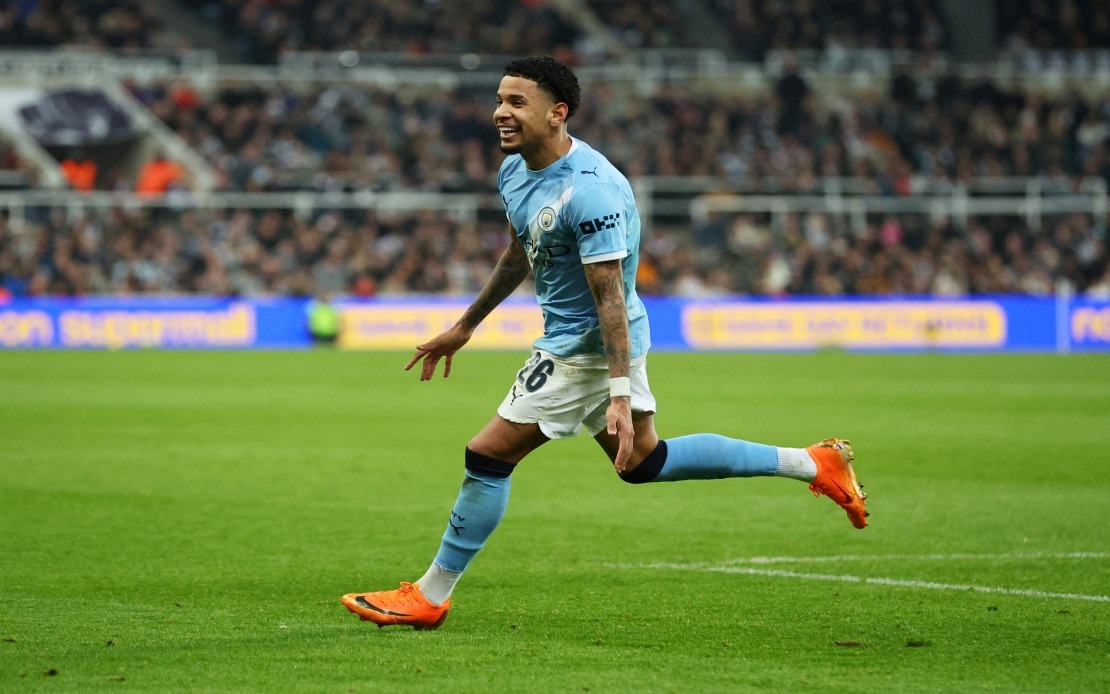
Tottenham Hotspur have concluded negotiations with Manchester City to acquire Brazil winger Savinho, representing a major statement of intent in the transfer market as the north London club pushes spending beyond £300 million this summer. The 22-year-old will move to Spurs on an initial fee of £75 million with an additional £10 million in performance-based add-ons, completing what represents one component of Tottenham's ambitious twin strike at their Premier League rivals.
Savinho's transfer comes after Spurs pursued the talented left-footed attacker unsuccessfully prior to the 2025-26 season. This persistent interest has finally borne fruit, with the agreement reached just as Tottenham attempts a parallel negotiation with City over Omar Marmoush, another attacking option that could represent a historic double raid on the defending champions. The timing appears crucial, as Tottenham faces a deadline of Friday noon to register Savinho before the club's Premier League curtain-raiser against Brentford on Saturday.
The arrival of Savinho directly addresses immediate personnel concerns for manager Roberto De Zerbi, who has publicly committed to bolstering his attacking options. Several key offensive players remain unavailable or working toward match fitness, including James Maddison, Dejan Kulusevski, Mohammed Kudus, Xavi Simons, and Wilson Odobert, each sidelined or recovering from injury. This injury situation creates an opportunity for Savinho to integrate rapidly into the squad, with expectations he could feature from the outset against Brentford.
The Brazilian's career trajectory reveals a player seeking greater opportunity and consistency at the highest level. Beginning his professional journey at Atlético Mineiro in his homeland, Savinho spent formative years across the City Football Group network, including productive stints at French club Troyes and La Liga outfit Girona. These loan assignments provided valuable development opportunities before Manchester City moved to integrate him into their first-team setup at the Etihad Stadium.
Despite joining one of European football's most successful teams, Savinho struggled to establish himself as a guaranteed starter within Pep Guardiola's squad. Across 84 appearances for City, he accumulated seven goals and 16 assists—respectable contributions that nevertheless suggest underutilization relative to his potential. This limited pitch time at Manchester City highlights a common challenge for talented players at clubs operating with extreme squad depth and rotational demands. Tottenham's interest represents, in part, an opportunity for Savinho to redirect his career toward consistent first-team football.
Versatility represents one of Savinho's key attributes, as he demonstrates comfort operating across either flank. His left-footed technique and ability to play across the width of the attack provide De Zerbi with tactical flexibility in constructing his offensive formation. Given Spurs' current injuries to established wingers, this adaptability carries immediate practical value. Tottenham's recruitment strategy under the Italian manager increasingly emphasizes players capable of filling multiple roles, ensuring squad cohesion even as unavoidable absences occur through injury.
The financial dimension of this transfer warrants scrutiny within the context of English football's transfer market dynamics. At £75 million base plus £10 million additional, the fee positions Savinho as a significant investment for a player whose market value has historically fluctuated. However, Tottenham's overall expenditure trajectory—pushing past £300 million in summer spending—suggests the club's ownership and hierarchy have committed substantial resources to De Zerbi's vision. For a manager in his first season, such backing demonstrates institutional confidence despite pressure to deliver immediate results.
The potential dual signing of both Savinho and Marmoush from Manchester City would represent a notable transfer coup, raising questions about City's willingness to reduce attacking depth and Tottenham's capacity to integrate multiple new faces simultaneously. Marmoush's ongoing negotiations add layers of complexity to Spurs' planning, particularly given deadline pressures and the need to ensure proper registration before the weekend. If both deals conclude, Tottenham would possess substantially reinforced attacking options compared to their starting position this summer.
For Southeast Asian and Malaysian football audiences, Savinho's transfer exemplifies the ongoing concentration of global talent within elite Premier League clubs. The Brazilian's journey from domestic Brazilian football through smaller European leagues to Manchester City, and now to another London giant, reflects established migration patterns among young South American talents seeking career elevation. Tottenham's investment likewise reflects sustained Premier League financial superiority over other European competitions, a dynamic increasingly shaping competitive balances across continental fixtures.
De Zerbi's early transfer activity suggests a manager determined to impose his tactical philosophy quickly rather than inheriting and maintaining established patterns. Savinho's profile—young, adaptable, international experience—aligns with managers typically wanting to instill pressing intensity, positional flexibility, and attacking verticality. Whether the Brazilian can rapidly absorb such demands while simultaneously reestablishing confidence after limited Manchester City opportunity remains an open question heading into the weekend's fixture.

