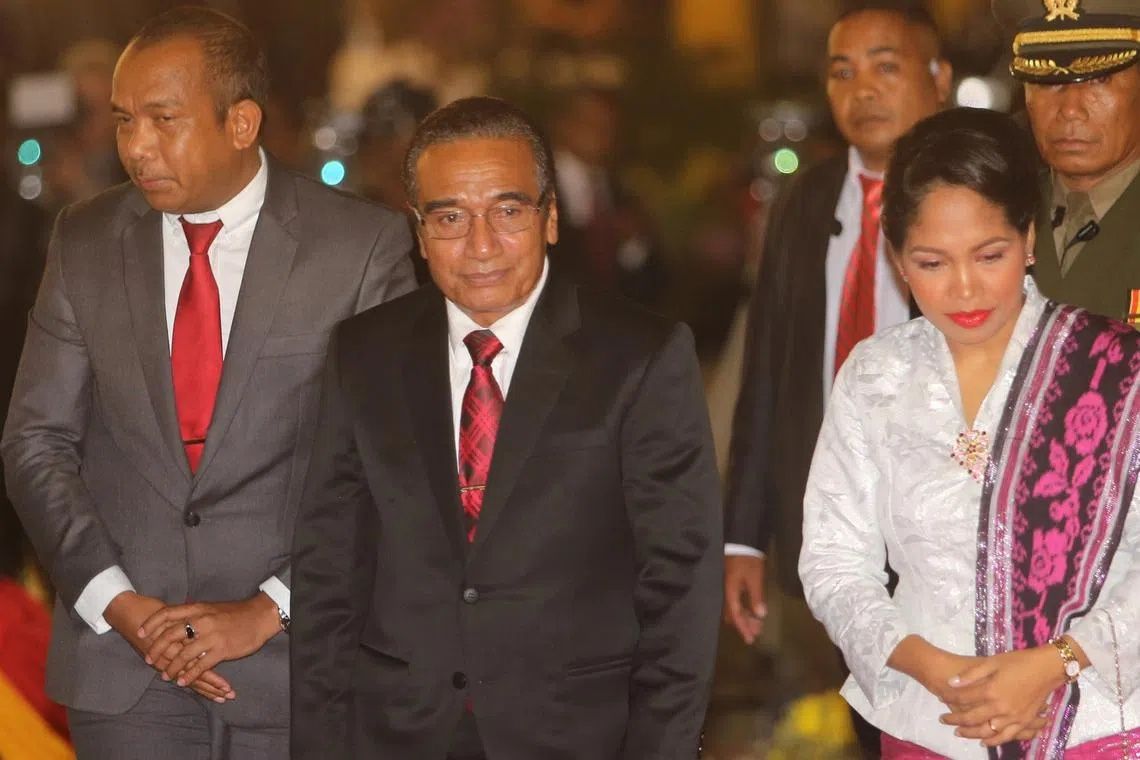
Timor-Leste has entered a period of national mourning after the death of former president Francisco "Lu-Olo" Guterres, a towering figure in the Southeast Asian nation's struggle for independence from Indonesia. Guterres, 71, passed away over the weekend in a Malaysian hospital, prompting the government to declare a week-long period of remembrance on June 22. The announcement underscores not only the personal significance of his loss but also the deep reverence with which many Timorese regard his decades of service to the nation's founding.
The government has initiated formal mourning protocols befitting a leader of Guterres's stature. Public buildings throughout Dili, including diplomatic missions abroad, are displaying flags at half-mast as a mark of respect. His body is expected to return to the capital by Tuesday, according to his brother Domingos Guterres, though specific arrangements for funeral proceedings have yet to be finalised. The logistical coordination involved in returning the former leader's remains and organising state ceremonies reflects the scale of recognition afforded to him in death.
Guterres's political trajectory charts the history of modern Timor-Leste itself. Born into humble circumstances, he emerged as a resistance fighter during Indonesia's 24-year military occupation that began in 1975. This brutal period, marked by widespread violence and displacement, forged the generation of leaders who would ultimately secure independence in 2002. Guterres's credentials as a freedom fighter translated into broad political appeal when democratic elections finally became possible, allowing him to capture the presidency in 2017 with over 57 percent of the vote.
His single term as the nation's sixth president lasted until 2022, when he sought reelection but fell short in the deciding run-off against Nobel Peace Prize laureate Jose Ramos-Horta. The electoral outcome, while disappointing to Guterres's supporters, reflected the political diversity and competitive democratic processes that have characterised Timor-Leste's post-independence development. That Ramos-Horta, his defeated rival, has offered high praise suggests the depth of respect transcending party lines for Guterres's life work.
In his statement, President Ramos-Horta described Guterres as a "great patriot" whose death represents "a great loss for the nation." This acknowledgment from a political competitor speaks to how Guterres's identity had become bound up with Timorese national identity itself. The government has extended formal condolences not only to his immediate family but also to Fretilin, the Revolutionary Front for an Independent East Timor party that Guterres formerly led and which remains a dominant force in Timorese politics. This institutional recognition highlights how his influence extended across the broader political establishment.
Guterres's family has requested privacy during their period of grief, asking supporters to respect their space while honouring his memory and legacy. The request balances the public's desire to pay respects with the personal needs of those closest to him. His family's statement emphasised his "dedication to the Timorese people," framing his life not as an individual achievement but as service to the nation. This framing aligns with how Timorese society has historically regarded independence leaders—as custodians of collective liberation rather than personal ambition.
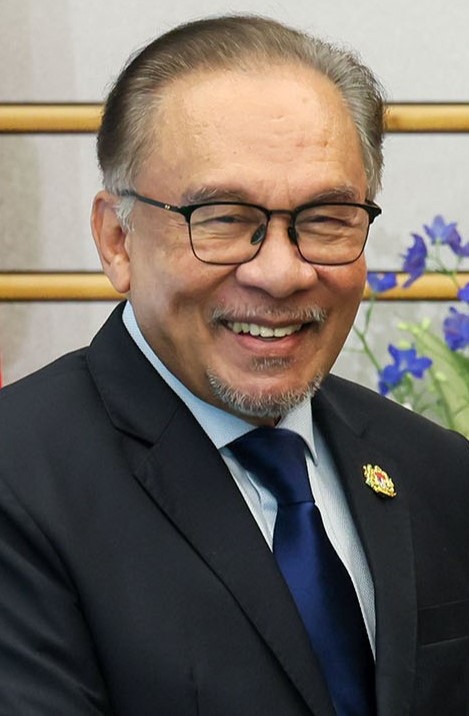
The international dimension of Guterres's passing has also drawn attention in the region. Prime Minister Datuk Seri Anwar Ibrahim expressed Malaysia's sorrow at the news, noting that "Malaysia mourns his passing alongside the Timorese people" and pledging that Guterres "will be remembered here with respect and affection." Malaysia's warm words reflect both the diplomatic ties between the two Southeast Asian neighbours and the respect Guterres had earned through his life's work. The choice of a Malaysian hospital for his final days underscores the regional healthcare ties and the integrated nature of modern Southeast Asian life.
For Malaysian and broader Southeast Asian observers, Guterres's passing marks the exit of a notable figure from the independence generation. Unlike many founding leaders, he had remained active in formal politics well into the 2020s, providing continuity with Timor-Leste's pre-independence struggle. His presence in electoral politics until recently served as a living bridge between the nation's traumatic colonial past and its present-day democratic institutions. His death signals a generational transition in Timorese leadership.
The legacy Guterres leaves encompasses not only his formal positions but also the symbolic weight he carried as a survivor and victor in the independence struggle. Across Southeast Asia, where several nations emerged from colonial or authoritarian rule during the late twentieth century, figures like Guterres represent the human face of liberation movements. His election to the presidency in 2017 validated democratic processes in a young nation, while his subsequent electoral defeat demonstrated institutional maturity and peaceful transfer of power—accomplishments not universally achieved across the region.
Guterres's life trajectory—from guerrilla fighter to democratically elected president to elder statesman—encapsulates the transformation of Timor-Leste from occupied territory to independent state. The seven-day period of national mourning provides space for Timorese citizens to collectively reflect on this journey. His passing removes from the political stage a generation of leaders who bore personal scars from occupation and contributed directly to independence, marking a threshold moment for a nation still consolidating its post-2002 identity.