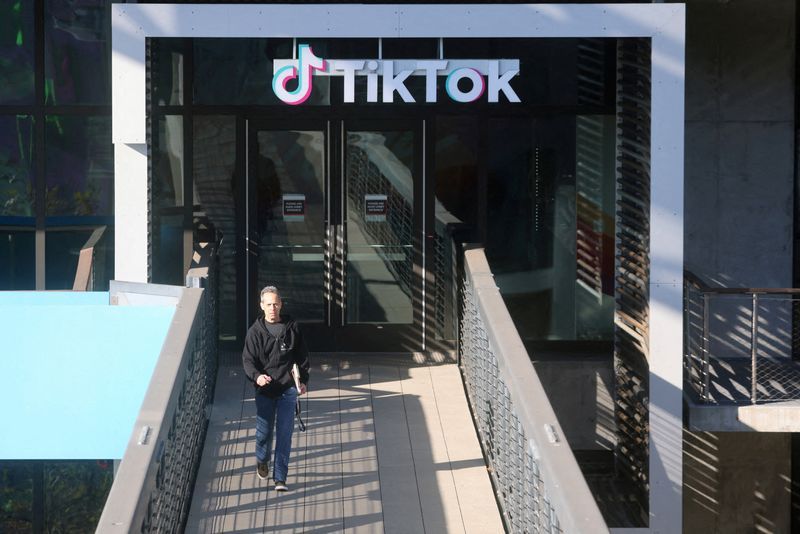
TikTok has agreed to settle a lawsuit brought by a minor who alleged that prolonged use of the platform caused significant damage to his mental health, according to statements from the legal team representing the plaintiff. The agreement was reached in principle on Tuesday through Morgan & Morgan, the law firm handling the case, though the specific terms and financial details of the settlement remain under wraps pending final formalization of the deal.
This settlement represents a strategic concession by ByteDance's TikTok ahead of what is shaping up to be a consequential legal battle over social media platforms' responsibility in the deteriorating mental health of young people across the United States. The timing is particularly significant as California's court system continues to hear a series of interconnected cases that collectively challenge the foundational business models and algorithmic practices of major social platforms.
The original lawsuit was filed by a 15-year-old Florida resident identified as R.K.C., who named four major technology companies as defendants: YouTube, Instagram, Snapchat, and TikTok. Court documents indicate that the teenager began using social media platforms when he was approximately eight years old and eventually developed what he characterized as an addiction to the services. According to the filings, this excessive use led to severe disruptions in his sleep patterns, alongside documented struggles with depression and anxiety that significantly impaired his quality of life.
The case forms part of a broader wave of litigation sweeping through American courts that scrutinizes whether social media companies have adequately disclosed or mitigated the addictive nature of their platforms, particularly regarding their design features and algorithmic recommendation systems that are engineered to maximize user engagement. For Southeast Asian readers, this legal trend carries implications as these same platforms dominate the digital landscape across the region and face similar concerns about youth wellbeing in countries like Malaysia, Singapore, and Indonesia.
YouTube, owned by Google, preceded TikTok in settling with R.K.C., reaching an agreement in June. This sequential settlement strategy by the defendants suggests an emerging recognition within the technology industry that individual cases may prove costly and damaging to corporate reputation when litigated publicly. However, Instagram and Snapchat have adopted a different posture, choosing to proceed to trial rather than settle, with their cases scheduled for July proceedings in California state court.
The resolution of this specific case does not diminish the broader significance of the litigation wave. Rather, it underscores how social media companies are increasingly forced to weigh the financial and reputational costs of defending their platforms' practices against the risk of adverse judicial findings that could establish precedent for future cases. Each settlement creates momentum for subsequent plaintiffs and their legal representatives, who can point to company concessions as evidence that the platforms have acknowledged potential harms.
For Malaysian stakeholders—including parents, educators, policymakers, and mental health professionals—these developments in American litigation offer important lessons. The evidence presented in court filings regarding how young users can develop problematic relationships with social media platforms echoes concerns raised by mental health advocates across Asia. The particular focus on algorithmic design choices that prioritize engagement over user wellbeing resonates with ongoing debates about digital safety in Malaysia, where regulatory bodies are increasingly scrutinizing social media's role in youth mental health crises.
The R.K.C. case also highlights the importance of legal remedies as a mechanism for corporate accountability when regulatory frameworks prove insufficient. While Malaysia's regulatory environment differs significantly from California's litigation system, the American cases provide a model for how determined legal action can eventually compel major technology companies to acknowledge and address harms. This is particularly relevant given Malaysia's ongoing development of digital governance frameworks and emerging discussions about holding technology platforms accountable for social harms.
TikTok's decision to settle rather than defend the case in trial proceedings suggests the company assessed that the costs and risks of litigation outweighed the benefits of establishing a legal precedent through verdict. This calculation may reflect internal analyses indicating that further litigation would expose damaging internal communications or research findings regarding how the platform's features affect younger users' psychological wellbeing. The confidentiality typically accompanying settlements means the public will not gain access to such documents, preserving corporate privacy while limiting the information available to inform public health discussions.
Looking ahead, the outcomes of the Instagram and Snapchat trials scheduled for July will likely prove decisive in shaping the trajectory of this litigation. Should those companies face adverse verdicts, the combined effect could accelerate settlement discussions in hundreds of pending cases across multiple jurisdictions. Conversely, successful defense by either platform could slow the momentum of plaintiffs' claims and reshape the risk calculus for other defendants.
For the technology sector operating across Southeast Asia, these American legal developments carry strategic implications. As Malaysian and regional regulators increasingly scrutinize platform governance and corporate responsibility, the precedents being established through litigation in California will inevitably inform policy discussions domestically. The growing willingness of courts to hold social media companies liable for documented harms to young users suggests that Malaysian regulators may encounter greater domestic pressure to implement stricter accountability measures or face criticism for being comparatively lenient than American judicial standards.
The R.K.C. case ultimately reflects a pivotal moment in how societies are beginning to reckon with the externalities created by platforms optimized purely for growth and engagement without adequate safeguards for vulnerable populations. Whether through legal settlements or regulatory intervention, the era of social media companies operating with minimal accountability for youth mental health impacts appears to be drawing to a close, with consequences that will likely reverberate across the Southeast Asian region.

