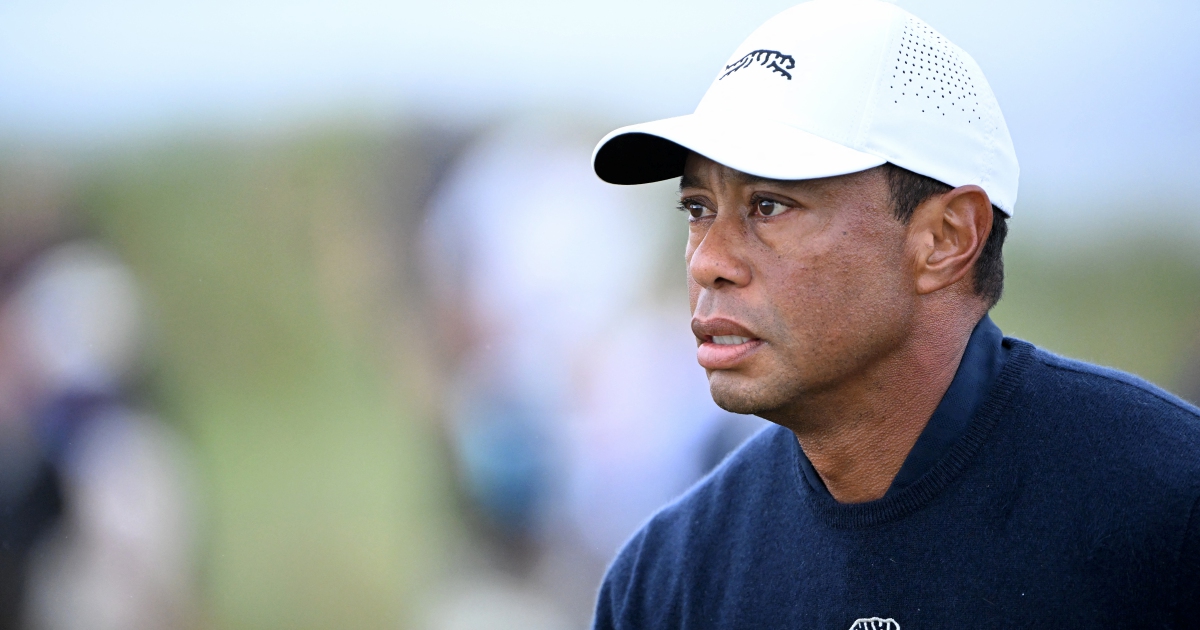
Tiger Woods, the legendary golfer whose career has been marked by both extraordinary triumph and considerable personal turmoil, is preparing for a significant legal milestone this week. The sports icon will make his first in-person appearance before a Florida judge to address charges stemming from a vehicle accident that occurred on March 27. This court date represents a turning point in proceedings that have been repeatedly delayed since the incident took place, finally bringing the matter into direct judicial consideration after months of legal manoeuvring.
The March 27 accident itself captured widespread international attention, given Woods's prominence in professional golf and popular culture. The collision raised immediate questions about the circumstances surrounding the incident and prompted law enforcement investigation into the events leading up to the crash. Subsequent developments have resulted in DUI charges being filed against the 15-time major championship winner, placing him in a legal situation that extends far beyond the sports world and touches on serious matters of public safety and individual accountability.
The repeated postponements that preceded this court date reflect the complexity of cases involving high-profile figures. Legal proceedings involving celebrities often face scheduling challenges, procedural complications, and the involvement of multiple legal representatives whose calendars must be coordinated. Woods's case has experienced several delays, each pushing back the prospect of in-person judicial proceedings. These postponements have kept the matter in the public eye while simultaneously postponing final resolution, a dynamic that affects both the legal system's efficiency and public perception of how justice operates in cases involving prominent individuals.
For Malaysian and Southeast Asian readers, Woods's situation illuminates the universal nature of legal accountability. Regardless of wealth, fame, or sporting achievement, individuals facing serious criminal charges must navigate the judicial system. The appearance of Woods in a Florida courtroom demonstrates that no one—irrespective of their accomplishments or celebrity status—remains exempt from legal obligations. This principle stands as fundamental to democratic justice systems across the region and globally, establishing precedent that public figures cannot defer indefinitely from confronting legal consequences.
The golf world has watched these developments with keen interest, as Woods's legal challenges intersect with his professional aspirations. The golfer has demonstrated remarkable resilience throughout his career, returning to competitive golf following personal scandals and physical injuries. However, criminal proceedings introduce dimensions beyond athletic performance or personal redemption, involving the formal machinery of state justice. How this court matter unfolds could have implications for Woods's public standing and his ability to participate in professional tournaments, sponsors' relationships, and his broader legacy in the sport.
Florida's legal system must now formally process this case through its judicial apparatus. The appearance before a judge represents a critical juncture where evidence, charges, and circumstances will be examined through the lens of the law. The DUI charge carries significant implications under Florida statute, potentially affecting not only the legal judgment rendered but also licensing privileges and insurance considerations. The public nature of this proceeding ensures that outcomes will be documented and scrutinized, adding an additional layer of pressure to an already sensitive situation.
Context matters greatly in understanding Woods's current position within golf's landscape. The sport has invested considerably in Woods's comeback narrative, with his return to competitive excellence following spinal fusion surgery generating substantial media interest. This legal challenge creates tension with that narrative arc, introducing complications to a redemption story that captivated global audiences. Tournament organisers, fellow players, and golf fans have monitored how these legal proceedings might affect Woods's tournament participation and standing within professional golf's structures.
The broader implications extend to questions about how sporting bodies and commercial entities respond when prominent athletes face serious legal charges. Golf, unlike certain other sports, has sometimes appeared lenient regarding player conduct off the course. Woods's case may prompt institutional reflection about responsibility, standards, and the relationship between personal conduct and professional competition. This dynamic holds particular relevance for Asian golf followers, as the sport continues expanding its market presence and developing its profile throughout Southeast Asia and beyond.
For the legal community, Woods's case exemplifies how procedures must proceed regardless of a defendant's prominence. Judges, prosecutors, and defence teams must apply law equitably, ensuring that processes followed in Woods's case align with standards applied to ordinary citizens. This principle—equal treatment before the law—forms the foundation of justice systems throughout the democratic world, including Malaysia and neighbouring jurisdictions. The case becomes instructive in how institutions maintain integrity and consistency when facing pressure arising from celebrity involvement.
As Woods prepares for his court appearance, numerous questions remain unanswered about testimony, evidence presentation, and eventual judicial outcomes. The proceedings will unfold according to established legal procedures, with specific rules governing admissibility of evidence, witness examination, and defendant rights. These technical aspects, while perhaps less dramatic than headline coverage suggests, determine how justice ultimately operates in this case, establishing the framework within which legal determination occurs.
The court date also represents a moment of reckoning for Woods personally. Beyond legal consequences, the appearance acknowledges responsibility and engages directly with the judicial system in ways that postponements had avoided. Whether this interaction leads toward resolution, acquittal, conviction, or further legal proceedings remains uncertain. What seems clear is that this appearance marks a transition from preliminary proceedings toward substantive judicial engagement, finally bringing the matter into active courtroom consideration after extended delays that have characterised the case since March.

