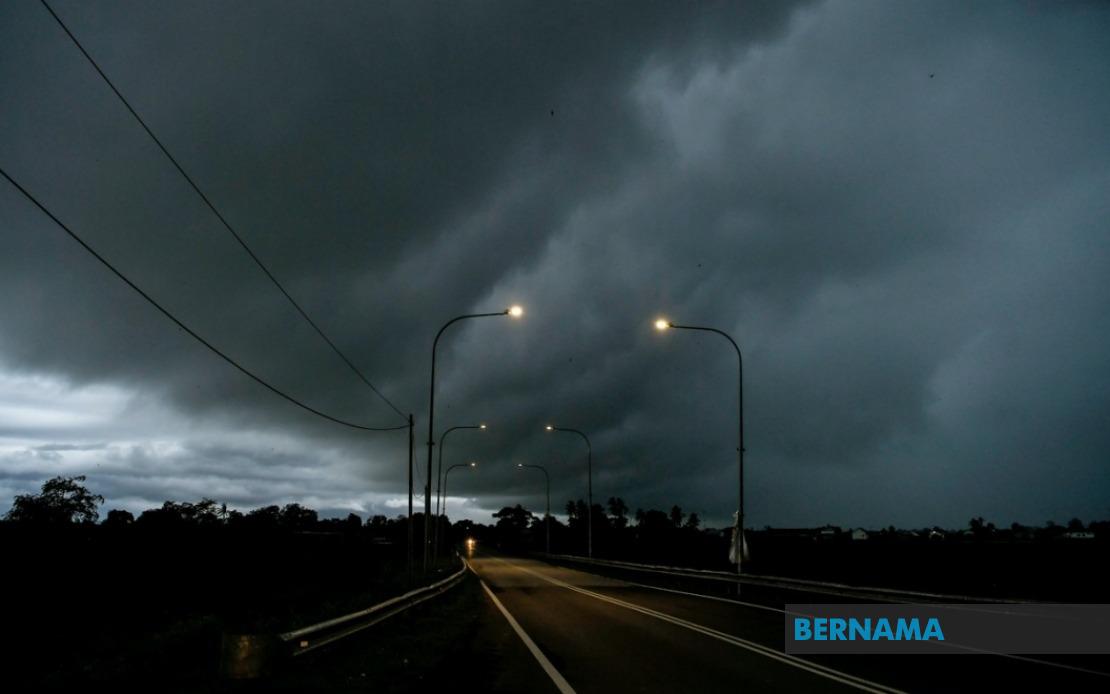
The Malaysian Meteorological Department (MetMalaysia) has cautioned residents across multiple regions to prepare for severe weather conditions, with thunderstorms and torrential downpours expected to persist until midday. The advisory highlights a broad swathe of the country facing potentially hazardous atmospheric conditions, encompassing both populated urban centres and rural communities stretching from the northern peninsula through to East Malaysia.
In the northern state of Kedah, forecasters are monitoring Kuala Muda, Baling, Kulim and Bandar Baharu, with the entirety of neighbouring Penang also falling within the warning zone. These densely populated areas, which include major commercial and residential zones, may experience disruptions to daily activities and transport networks should downpours intensify. The warning underscores the unpredictability of monsoon-influenced weather systems that periodically affect this region, particularly during transitional atmospheric periods.
Perak's eastern and northern districts have similarly been flagged for concern, with Kerian, Larut, Matang, Selama, Manjung and Bagan Datuk all listed in the alert. These agricultural and industrial areas depend heavily on stable weather patterns, and sudden heavy rainfall can pose challenges for ongoing operations and infrastructure. The cumulative effect of repeated weather warnings across these zones signals an active convective environment that meteorologists are actively tracking throughout the morning hours.
The central peninsula region of Negeri Sembilan faces threats to Jempol and Tampin, whilst Melaka has been placed entirely under the advisory. In the eastern region, Pahang's Rompin district joins the list of affected areas. This geographical spread demonstrates the expansive nature of the atmospheric disturbance, suggesting a weather system of considerable proportions affecting multiple weather stations and regional forecast zones simultaneously.
Southern Johor bears particular significance given the state's economic importance and population density. MetMalaysia identifies Tangkak, Segamat, Muar, Kulai, Kota Tinggi and Johor Bahru as vulnerable to thunderstorm activity. Johor Bahru, serving as a major gateway between Malaysia and Singapore, warrants special attention, as severe weather could impact cross-border transport and commerce during crucial business hours. The warning for this commercially vital corridor reflects the potential economic implications of such weather events.
East Malaysia faces concurrent weather challenges, with Sarawak's coastal and interior regions coming under scrutiny. Tatau and Bintulu in Bintulu Division, along with Subis, Miri and Marudi in Miri Division, are anticipated to experience similar atmospheric conditions. These areas, characterised by their tropical climate and substantial precipitation baseline, nonetheless warrant protective advisories when conditions exceed normal parameters. The inclusion of multiple Sarawak divisions underscores the weather system's reach across the South China Sea region.
The Federal Territory of Labuan, situated strategically between Sarawak and Sabah, has also been incorporated into the warning framework. This offshore and island-based territory experiences distinct meteorological conditions and may face particular vulnerabilities during severe weather events given its maritime exposure and limited alternative transport options during adverse conditions.
MetMalaysia's cautionary guidance emphasises the importance of public vigilance regarding atmospheric changes. The department's recommendation that citizens obtain updates through official channels reflects a deliberate strategy to ensure accurate, timely information reaches affected populations before conditions deteriorate. In an era of rapid information dissemination, residents are increasingly encouraged to consult authoritative meteorological sources rather than relying on informal networks that may propagate inaccurate forecasts.
The operational window specified—extending until noon—provides a defined timeframe within which the most severe conditions are anticipated. This specificity allows emergency services, transport operators and utility providers to concentrate resources and preparedness measures during a compressed period. The afternoon hours may bring some relief, though residual moisture and atmospheric instability could persist beyond the formal warning period.
For Malaysian households and businesses, such forecasts prompt practical considerations including securing outdoor items, verifying drainage systems, and exercising caution during commutes. Schools, factories and government offices throughout the affected regions should assess their contingency protocols for weather-related disruptions. The cumulative impact of repeated weather warnings across such extensive territories reflects the complex interplay of regional atmospheric patterns that meteorologists continue to refine through technological advancement and data analysis.
This advisory demonstrates MetMalaysia's commitment to providing advance notice of potentially dangerous conditions, allowing communities adequate preparation time. As climate variability continues to influence precipitation patterns across Southeast Asia, such forecasting mechanisms represent critical infrastructure for public safety and operational resilience across the nation.

