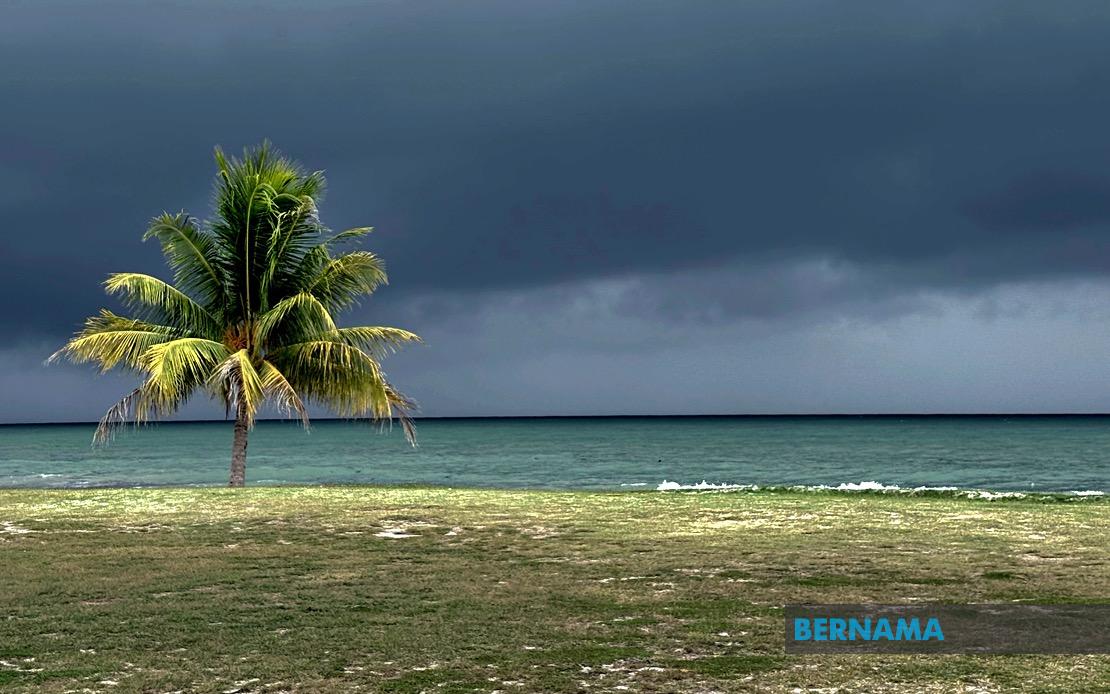
The Malaysian Meteorological Department has sounded an alert for adverse weather conditions spanning multiple districts across Peninsular Malaysia, Sarawak and Sabah, with residents advised to exercise caution and remain indoors during the worst of the activity. The warning, which extends until 11 pm, encompasses a geographically dispersed region that includes some of the nation's most flood-prone areas, particularly in the east coast states where monsoon-related precipitation remains a seasonal concern.
In Peninsular Malaysia, the brunt of the system is expected to affect the east coast, with MetMalaysia naming specific localities in Kelantan including Kota Bharu, Bachok, Machang and Pasir Puteh as zones where thunderstorms and heavy rainfall pose a threat to daily activities. The intensity of such weather can rapidly overwhelm drainage systems in urban centres and trigger flash flooding in low-lying communities, a persistent challenge during the Northeast Monsoon season and during transitional periods when atmospheric instability peaks.
Terengganu's Kemaman district also features prominently in the meteorological alert, alongside several inland zones in Pahang including Jerantut, Temerloh, Maran and Kuantan. The inclusion of Kuantan, Pahang's largest city and a major commercial hub, suggests that economic activity and transportation networks may experience disruption should the predicted convective storms materialise with significant intensity. Residents and businesses in these localities should prepare contingency plans for potential electrical outages, waterlogging and traffic congestion arising from inclement weather.
Borneo's administrative divisions are equally affected by this weather system. In Sarawak, the division of Limbang, particularly the Lawas area, has been placed under alert status. This region's proximity to Brunei and its role as a gateway to Sabah makes it strategically important for regional trade and tourism, and sustained heavy rain could complicate cross-border logistics and travel schedules. The warning demonstrates how tropical weather systems do not respect political boundaries and frequently impact multiple jurisdictions simultaneously.
Sabah faces perhaps the most dispersed threat, with MetMalaysia identifying vulnerability zones across three distinct geographic regions. The Interior division, encompassing Nabawan and Keningau, represents some of Sabah's more remote highland areas where access to emergency services may be limited. The West Coast, specifically Ranau with its volcanic terrain and agricultural economy, and the Sandakan division in the east coast including Tongod, Telupid, Beluran and the port city of Sandakan itself, all face exposure to the convective activity.
Thunderstorm warnings carry particular significance in Malaysia given the nation's equatorial and tropical climate, where such systems develop rapidly and can produce localised but intense rainfall within short timeframes. Strong winds accompanying these storms pose risks to older structures, outdoor signage and vegetation, while heavy precipitation on already saturated ground increases landslide potential in hilly and mountainous terrain. Communities in the warned areas are typically advised to secure loose items, avoid unnecessary outdoor movement and stay alert to flash flood warnings from local authorities.
The geographic spread of this warning across both peninsular and East Malaysian states underscores the scale of the atmospheric disturbance. Such weather patterns often develop when warm, moist air masses interact with local heating and topographic features, creating towering cumulonimbus clouds capable of producing severe weather within minutes. The fact that multiple states experience synchronised alerts suggests a larger-scale weather system rather than isolated localised thunderstorms, which has implications for overall rainfall accumulation and flood risk across the broader region.
Public utilities and emergency services in the affected areas typically activate contingency protocols when such warnings are issued, positioning personnel and equipment to respond swiftly to weather-related incidents. Transportation authorities often reduce speed limits on highways and increase monitoring of flood-prone underpasses, whilst power utilities ready response teams for potential line damage and outages. Residents with elderly family members or those in vulnerable situations are encouraged to make welfare checks and ensure adequate supplies of essentials.
For Malaysian travellers and business operators, the timing of this warning is significant as it falls during the evening peak, potentially affecting evening commutes, restaurant and entertainment district footfall, and logistics operations. Those planning to travel through the warned districts should monitor weather updates continuously and consider delaying non-essential journeys until conditions stabilise after the 11 pm deadline. The Malaysian Meteorological Department typically refines and updates warnings as weather systems evolve, so residents should remain attuned to official channels for any modifications to the alert status or geographic scope.

