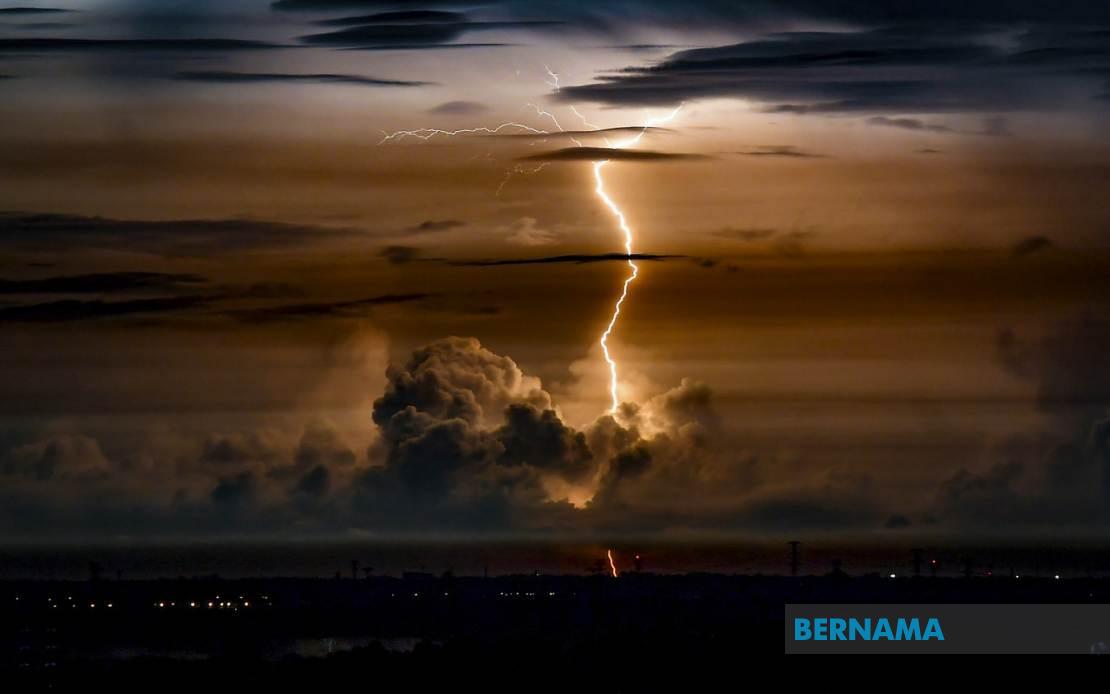
The Malaysian Meteorological Department has issued a severe weather warning affecting communities across four states in Malaysia, cautioning residents in Perlis, Kedah, Sarawak and Sabah to prepare for intense thunderstorms, torrential rainfall and gusty winds persisting through the night. The alert, released at 8.30 pm on August 24, underscores the volatile weather patterns currently sweeping across the nation's northern and eastern regions, requiring residents to exercise heightened vigilance and take necessary precautions.
In Perlis, the entire state falls under the weather advisory, making it one of the most comprehensively affected areas in the warning zone. Residents throughout the state should remain alert to potential flooding, especially in low-lying districts and areas prone to water accumulation. The department's coverage of the entirety of Perlis indicates the pervasive nature of the anticipated atmospheric disturbance affecting the northernmost state.
Within Kedah, three districts have been specifically identified as vulnerable zones requiring heightened preparedness. Langkawi, the popular island destination that draws both domestic and international tourists, faces potential disruption to travel and outdoor activities. Kubang Pasu and Kota Setar, both significant residential and commercial centres, may experience complications for commuters and businesses reliant on stable weather conditions. The partial coverage of Kedah suggests that while the northern state faces considerable risk, some coastal and inland areas may experience less severe conditions.
Sarawak's expansive geography means multiple distinct regions warrant attention. The warning encompasses Mukah division including the towns of Dalat, Matu and Mukah itself, as well as Kapit division's interior communities of Bukit Mabong and Belaga. Miri and its surrounding areas including Bario and Marudi, strategically located in the northern reaches of the state, are also affected. Limbang, which shares borders with Brunei, rounds out Sarawak's affected zones. This widespread coverage across Sarawak reflects the meteorological system's significant geographical reach across the peninsula's largest state.
Sabah's warning extends to two primary regions with distinct geographical characteristics. The Interior division encompasses Sipitang and Tenom, towns situated in the state's inland areas that have historically experienced drainage challenges during heavy precipitation events. Sandakan division, encompassing both the eponymous major port city and the Labuk & Sugut region, faces potential maritime and urban flooding scenarios. These diverse zones within Sabah present varied challenges depending on local topography and infrastructure resilience.
The timing of this weather system carries particular significance for the region. Operating through midnight means residents face several hours of potentially hazardous conditions coinciding with reduced visibility and limited emergency response capacity. Commuters planning evening travel should exercise extreme caution, while those already on roads are advised to seek shelter. The compressed timeframe also means residents have limited opportunity to prepare, making swift access to weather information crucial.
For Malaysian communities in affected areas, understanding the implications of such weather warnings extends beyond immediate safety concerns. Thunderstorms and heavy rain can disrupt supply chains, interrupt commercial operations, and create transportation bottlenecks affecting economic productivity across multiple sectors. Agricultural activities, particularly in rural districts across all four affected states, may face temporary suspension, potentially impacting seasonal harvests and plantation operations. Small businesses dependent on daily foot traffic may experience reduced activity, while larger enterprises reliant on logistics face supply chain complications.
The Malaysian Meteorological Department's decision to issue this specific advisory reflects established protocols for weather systems that pose measurable risks to public safety and infrastructure. MetMalaysia continuously monitors atmospheric conditions using advanced technology and forecasting models, triggering warnings only when conditions warrant official notification. The timeliness of this evening alert provides residents with actionable information to adjust evening plans and reinforce home safety measures.
Residents in the warning zones should take several precautions including avoiding unnecessary travel, securing loose outdoor items that wind may dislodge, ensuring drainage systems are clear to prevent water accumulation, and remaining informed through official channels for any updates or extensions to the warning. Families with vulnerable members including young children and elderly relatives should ensure these individuals remain indoors during the worst conditions. Motorists should reduce speed, activate headlights, and avoid flooded sections of roads, while those in flood-prone areas should be prepared to relocate if water levels rise.
The geographical distribution of this weather system across such disparate regions illustrates the dynamic nature of Malaysia's tropical climate patterns. With the nation situated near the equator and surrounded by maritime influences, severe weather systems can develop rapidly and affect large areas with minimal warning. Such phenomena are not unusual during specific seasons, though the exact timing and intensity remain subject to meteorological variables that even sophisticated forecasting tools cannot predict with perfect accuracy.
For Malaysian readers and residents in neighbouring Southeast Asian nations, this warning serves as a reminder of the importance of maintaining situational awareness regarding weather conditions and respecting official alerts issued by meteorological authorities. Real-time updates remain available through MetMalaysia's official channels, including their website and mobile applications, ensuring residents can access the most current information as conditions develop. Public safety agencies across the affected states remain on heightened alert to respond to emergencies arising from the severe weather.

