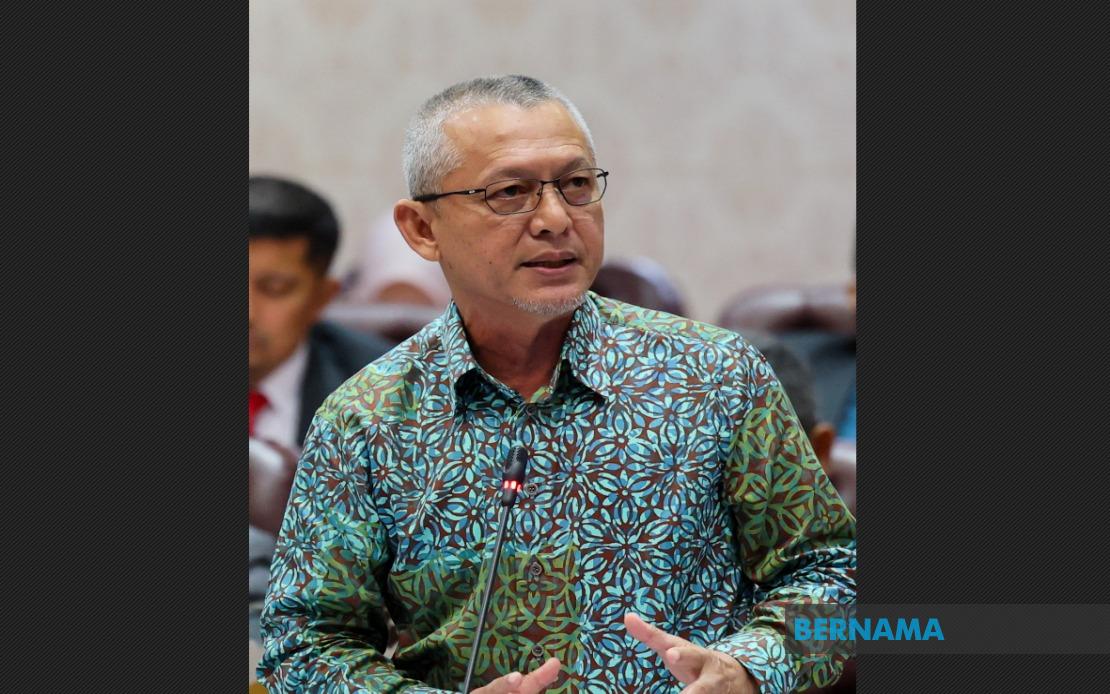
Three senior figures within Terengganu's Bersatu chapter have announced their departures from party leadership, marking a notable development in the state's political landscape. Datuk Razali Idris, who serves as the Terengganu Bersatu state chief, initiated the process by submitting his resignation letter to national party president Tan Sri Muhyiddin Yassin on July 16. The move came alongside similar announcements from Telemong assemblyman Mohd Zawawi Ismail and Hulu Besut representative Mohd Husaimi Hussin, who stepped down as the state information chief and state treasurer respectively.
Razali's resignation remains in a peculiar holding pattern, with the central party apparatus yet to formally acknowledge or act on his submission. Speaking in Marang, he emphasised that Bersatu headquarters, including Muhyiddin himself, has neither confirmed receipt nor indicated whether the resignation will be accepted or rejected. This silence from the top leadership raises questions about the party's internal decision-making processes and the extent to which dissent at state level is being managed at the national office.
The Terengganu State Executive Council member further indicated his intention to formally resign from his position as the Marang Bersatu division chief mid-August, though he has deliberately delayed this secondary resignation to complete outstanding administrative responsibilities. This measured approach suggests these departures are not impulsive reactions but rather the result of careful consideration and orderly transition planning.
Mohd Zawawi and Mohd Husaimi independently confirmed their resignations to media outlets and indicated they would be submitting formal notification letters to Bersatu's central leadership detailing their exits from state-level party structures. The coordinated nature of these three resignations, occurring within a tight timeframe, suggests a possible common motivation or shared grievance within Terengganu's Bersatu organisation.
Crucially, all three departing leaders have explicitly clarified that their resignations apply solely to party positions and leadership roles. They have stressed their continued membership within Bersatu and have not indicated any intention to defect to rival political parties or enter into conflict with the organisation's national direction. This distinction is significant for understanding the nature of these moves—they appear to represent internal repositioning rather than a wholesale abandonment of the party.
For Malaysian politics more broadly, such mid-level resignations within component parties of the federal coalition warrant attention. Bersatu, as one of the supporting parties in the current government structure, relies on maintaining coherence across state chapters to demonstrate viability as a political force. Terengganu, which has been a stronghold of Malay-Muslim political sentiment, represents a key electoral battleground where party unity directly influences representation and influence.
The silence from Muhyiddin's office on these departures is particularly noteworthy given that Bersatu has previously experienced internal turbulence over matters of leadership and direction. How the party centre chooses to respond—whether by accepting, rejecting, or indefinitely deferring action on these resignations—will signal its approach to managing dissent and maintaining discipline among state-level cadres.
These developments also occur within the broader context of Terengganu politics, where Bersatu operates as part of a larger coalition framework. The state has its own distinctive political dynamics and factional interests that do not always align perfectly with national party strategies. Resignations at this level can sometimes reflect tensions between local priorities and central directives, or disagreements over resource allocation and candidate selection processes.
For regional observers, the Terengganu situation illustrates a common challenge facing Malaysian political parties: maintaining cohesion across geographical and hierarchical levels while accommodating diverse interests and ambitions among party members. The fact that three leaders have chosen to relinquish their positions simultaneously suggests that whatever concerns prompted these moves have resonated across different sections of the state party structure.
The outcome of how Bersatu's national leadership handles these resignations could have ripple effects for the party's standing in Terengganu and beyond. Accepting them quickly might be interpreted as responsive to members' concerns but could also suggest a lack of confidence in state leadership. Rejecting them outright could create tension and resentment, while indefinite deferral—the current approach—leaves the situation unresolved and potentially demoralising for those involved.
Going forward, political analysts will be watching whether these departures trigger wider shifts within Terengganu's Bersatu organisation or represent isolated incidents of individual repositioning. The state's political health and the national coalition's stability depend partly on how smoothly such internal transitions are managed and whether underlying grievances are adequately addressed.

