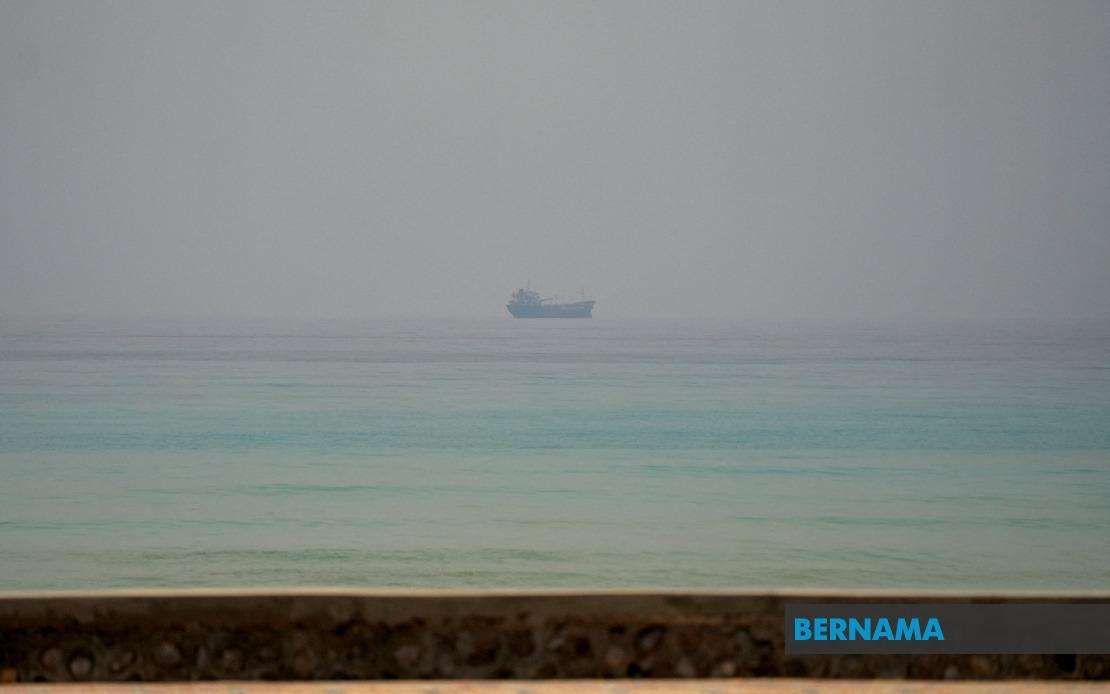
Three commercial tankers came under attack in separate incidents off the Omani coast on Tuesday, marking another escalation in maritime insecurity within one of the world's most critical shipping channels. The Strait of Hormuz, through which roughly a fifth of global crude oil passes, has become increasingly fraught with danger as tensions between the United States and Iran intensify. Oman's Maritime Security Centre confirmed that the three vessels—Stolt Magnesium, Mombasa B, and Al Bahyah—were all struck, resulting in three crew members missing and six others sustaining injuries of varying degrees.
The first strike involved the Stolt Magnesium, which was hit approximately 40 nautical miles off South Al Sharqiyah Governorate, well beyond Oman's territorial waters. The impact sparked a fire within the engine room, prompting an urgent evacuation. Despite the severity of the incident, the vessel's full complement of 23 crew members were successfully removed by a nearby merchant ship and reported to be in good condition. This evacuation operation, coordinated among commercial vessels in the area, illustrates the precarious nature of maritime operations in the region where crews must often rely on ad-hoc assistance from other passing ships.
The second tanker, Mombasa B, operated by ADNOC Logistics & Services—the maritime division of Abu Dhabi National Oil Company—sustained a strike approximately 8.5 nautical miles from the coast of Musandam Governorate. The impact disabled the vessel's propulsion system, leaving it vulnerable in contested waters. The ship's 21-member crew was successfully evacuated through the coordinated response of a cooperating vessel, although six personnel required medical attention for injuries sustained in the incident. A Royal Navy of Oman patrol vessel was dispatched to monitor the developing situation and provide security in the immediate aftermath.
The third incident involved Al Bahyah, also operated by ADNOC Logistics & Services, which was struck approximately 9.6 nautical miles off Musandam Governorate. Of the 18 crew members aboard, all were evacuated to safety; however, three remain unaccounted for, prompting ongoing search and rescue operations. A Royal Navy of Oman vessel was deployed to the scene to coordinate efforts to locate the missing personnel and establish a security perimeter around the damaged vessel. ADNOC Logistics & Services subsequently confirmed that both Al Bahyah and Mombasa B had been struck by projectiles while transiting the Strait of Hormuz, further cementing the characterization of the incidents as deliberate attacks rather than accidental collisions.
The timing and nature of these strikes occur against a backdrop of heightened US-Iran tensions, with both nations engaged in tit-for-tat military activities aimed at asserting control over the strategic waterway. The Strait of Hormuz represents not merely a geographic chokepoint but a geopolitical flashpoint where competing interests converge. For Malaysia and other Southeast Asian economies heavily dependent on Middle Eastern oil and liquefied natural gas imports, instability in this region carries profound implications for energy security and shipping costs. Any disruption to the free flow of commerce through these waters threatens to raise prices and introduce volatility into regional supply chains.
Oman's Foreign Ministry responded to the incidents by issuing a formal statement emphasizing the necessity of upholding international law, restoring unrestricted maritime navigation, and guaranteeing the safe transit of commercial vessels through the waterway. This diplomatic intervention reflects Oman's traditional role as a mediator in regional disputes and its vested interest in maintaining stability within its maritime zone. The sultanate, which possesses significant port infrastructure and serves as a transit hub for regional trade, faces pressure to demonstrate its ability to protect international commerce while navigating delicate relations with both Washington and Tehran.
For Southeast Asian nations, particularly Malaysia, the recurring incidents in the Strait of Hormuz underscore the vulnerability of global energy supply chains and the interconnectedness of regional security challenges. Malaysian shipping companies and energy importers face mounting insurance premiums and heightened operational risks when transiting these waters. The frequency of such incidents has prompted some operators to consider rerouting vessels through longer, more expensive passages to avoid the strait entirely, adding to transportation costs that ultimately flow through to consumers across the region.
The missing crew members represent a humanitarian concern that transcends geopolitical tensions. International maritime law and conventions, including those administered by the International Maritime Organization, establish clear protocols for search and rescue operations and the protection of seafarers. However, the contested nature of the Strait of Hormuz has at times complicated coordination between military and civilian maritime authorities, potentially hampering rescue efforts. The involvement of Oman's Royal Navy suggests a commitment to professional response, but the three missing persons underscore the human toll of this escalating maritime conflict.
The broader implications of these incidents extend beyond immediate concerns about shipping safety. They represent a manifestation of deeper strategic competition between regional and global powers over influence in the Persian Gulf and broader Middle East. For Malaysia and ASEAN nations, which collectively conduct substantial trade through the strait, the stakes are significant. Supply chain disruptions, energy price volatility, and the potential for more serious incidents all pose risks to economic stability. The incidents also highlight the need for enhanced international cooperation on maritime security, better communication channels between military forces in the region, and renewed diplomatic efforts to de-escalate tensions that ultimately imperil innocent mariners and global commerce.

