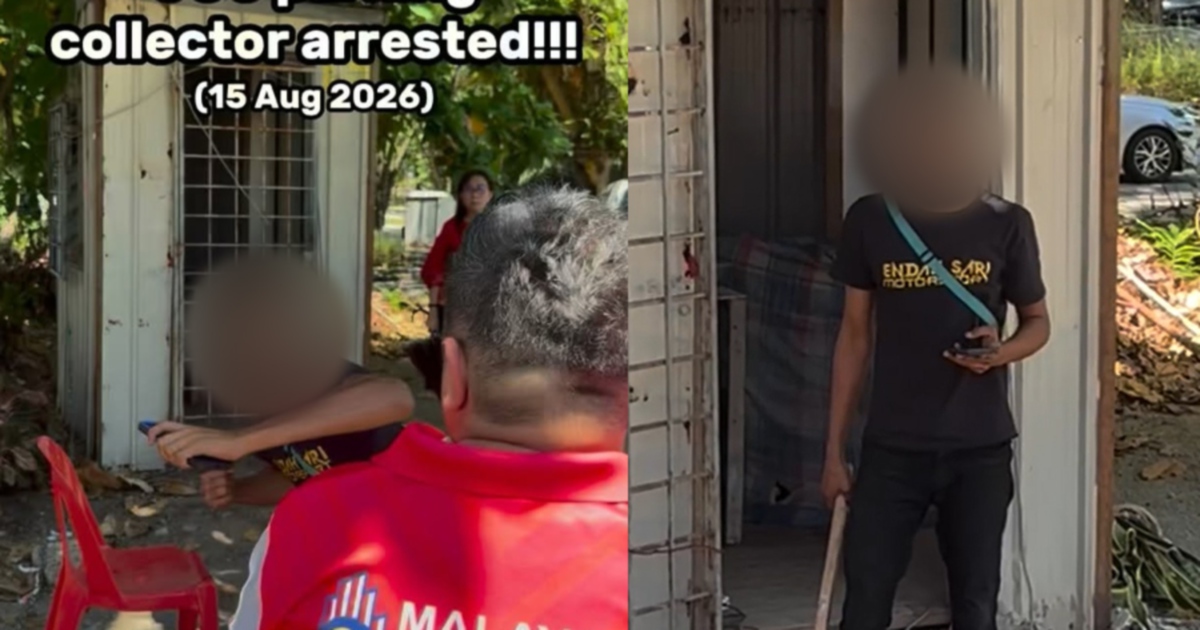
Three suspects are now in police custody following an alleged assault on a middle-aged woman in the Oug area of Kuala Lumpur, marking another incident of informal extortion linked to unauthorized parking fee collection schemes that continue to plague residential neighbourhoods across the capital.
The 38-year-old victim reported confronting the men after becoming aware that they were illegally collecting parking fees from residents and visitors in her neighbourhood. What began as a confrontation over the unauthorized charges escalated when the suspects allegedly responded with physical violence and threatening behaviour, leaving her shaken and prompting her to lodge a formal police complaint.
The arrest of the three men represents part of an ongoing effort by police to crack down on organized schemes that exploit residents through unauthorized parking levy systems. These operations, which exist in a grey zone between informal community arrangements and outright criminal enterprise, have become increasingly common in densely populated residential areas where parking remains a chronic problem and informal fee collection networks operate with minimal oversight.
Parking-related disputes in Kuala Lumpur neighbourhoods frequently escalate into confrontations, as residents grapple with scarcity and the methods used by unofficial parking attendants to regulate vehicle placement. Some residents view these fee collectors as providing a service by organizing chaotic parking situations, while others regard the practice as protection racket-style extortion dressed up as community management.
The OUG incident underscores a broader issue affecting Malaysian urban communities: the absence of clear governance structures for parking management in residential areas without formal parking allocations. When legitimate authorities fail to address parking congestion, unofficial operators step into the vacuum, often collecting fees without proper authorization or accountability mechanisms. Residents who refuse to pay or question the legitimacy of these charges frequently face intimidation or, as allegedly occurred here, physical confrontation.
The circumstances of this case—where a woman was struck for objecting to informal fees—highlight the potential for such situations to turn violent. The alleged assault represents a particularly severe response to what should be a civil or administrative matter, suggesting that those involved may have been willing to use force to protect their revenue stream or maintain control over the parking scheme.
Police investigations into such incidents must determine whether the three men were acting independently or as part of a coordinated operation. If the scheme was organized, authorities may uncover a broader network engaged in similar activities across multiple residential zones. The systematic nature of many parking fee collection operations suggests that isolated enforcement actions, while necessary, may require complementary solutions to address root causes.
For residents in affected areas, this case demonstrates the risks of directly confronting individuals engaged in unauthorized fee collection without first reporting concerns to authorities. While the woman's decision to question the legitimacy of the charges was justified, the alleged violent response illustrates why official channels represent the safer and more appropriate avenue for addressing such disputes.
The incident also raises questions about residential community management and governance. Many Malaysian neighbourhoods lack formal structures for organizing shared facilities and services, creating conditions where informal arrangements flourish. Properly established resident associations with transparent fee structures and accountable management could potentially address parking challenges more effectively than unauthorized operators while protecting residents from exploitation and intimidation.
Local authorities in Kuala Lumpur may need to review parking management practices across residential areas to identify other similar schemes. Proactive intervention to establish legitimate parking governance before informal systems become entrenched could prevent future incidents and provide residents with transparent, accountable solutions to parking problems.
The investigation's outcome will likely influence how police approach similar cases across the city. If the three men face serious charges reflecting the violence allegedly used, it may deter others from employing intimidation tactics in their fee collection operations. Conversely, if consequences are perceived as minimal, such schemes may continue with the same willingness to escalate to physical confrontation when challenged.
This case reflects a wider pattern in Malaysian urban areas where informal governance systems compete with formal authorities. While some informal arrangements emerge from genuine community need, others exploit residents through intimidation. Distinguishing between these requires not only police action but also community education about rights and proper reporting channels, alongside legitimate governance alternatives that address underlying service gaps.

