A tragic collision involving a Malaysian Immigration Department (JIM) lorry claimed three lives on Jalan Sultan Ismail in the early hours of Monday morning, reigniting concerns about road safety during emergency operations in urban areas. The deceased have been identified as Shaik Mohd Firdaus Shaikh Yahya, aged 53, and his two daughters, Siti Nor Sazlin, 25, and Siti Darwisyah Auni, 12. A fourth family member sustained serious injuries in the incident.
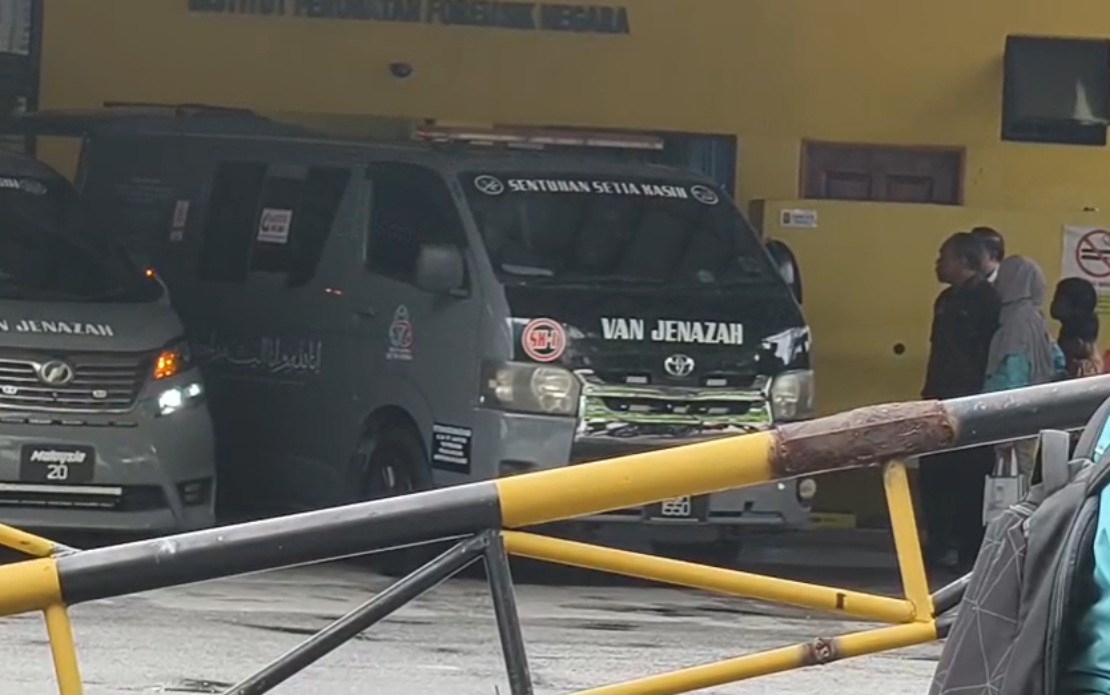
Post-mortem examinations were completed at the National Institute of Forensic Medicine (IPFN) at Kuala Lumpur Hospital, with the remains released to family representatives at approximately 5.45 pm on Monday evening. The bodies were transported by three separate hearses to allow the family to proceed with funeral arrangements according to Islamic rites. The speed with which the remains were released reflected standard procedures for families requiring prompt burial according to religious requirements.
The funeral procession will first route to Jamiul Ehsan Mosque on Jalan Pahang in Kuala Lumpur, where traditional Islamic preparations including bathing, shrouding, and funeral prayers will take place. Following these ceremonies, the three victims will be transported to Kampung Air Hitam Labu Muslim Cemetery in Kampar, Perak, for final interment. This journey underscores the emotional toll extending beyond the immediate incident site to grieving communities across state lines.
The accident unfolded around 1 am when the JIM Black Maria lorry, operating without detained passengers aboard, was en route to Chow Kit to conduct a raid targeting undocumented migrants. The vehicle was travelling with its emergency beacon lights and siren fully activated, indicating official operational status. However, at the Maju Junction intersection, the lorry allegedly proceeded through a red traffic light in direct contravention of road rules, setting the stage for catastrophic collision.
The JIM vehicle struck a Proton Saga that was lawfully crossing the intersection on a green light. The impact proved severe enough to cause the heavy lorry to lose traction, subsequently skidding across the roadway in an uncontrolled trajectory. During this skid, the lorry struck four pedestrians who were within or crossing the intersection area, and also collided with an Inokom Matrix multi-purpose vehicle, compounding the scale of injuries and fatalities.
This incident highlights a persistent tension within Malaysian traffic enforcement: the operational necessity of rapid emergency response versus pedestrian safety in densely populated urban zones. While immigration raids targeting undocumented residents serve legitimate law enforcement objectives, the deployment of heavy vehicles with activated sirens through congested city intersections at night presents inherent risks that warrant careful examination. The activation of warning systems does not exempt drivers from observing traffic control signals, particularly in residential and commercial areas where foot traffic remains substantial even during late-night hours.
Police have initiated investigation under Section 41(1) of the Road Transport Act 1987, the statutory provision addressing causing death by dangerous driving. This legal framework allows authorities to examine whether the JIM driver operated the vehicle with due care and attention, whether speed or condition contributed to the loss of control, and whether procedural protocols for emergency vehicle operations were properly observed. The investigation will determine whether criminal negligence charges are warranted or whether the incident constitutes a tragic accident despite proper safety procedures being followed.
The collision has sparked broader discussion within Malaysian civil society regarding the conduct of emergency vehicles in urban environments. Transportation safety advocates have pointed to similar incidents across Southeast Asia where operational urgency has compromised adherence to basic traffic regulations. Questions have emerged about whether standardised protocols exist for JIM and other enforcement agencies regarding speed limits, intersection procedures, and occupant safety during raids conducted outside normal business hours when visibility is reduced.
For Malaysian families, this incident represents a stark reminder of how quickly routine circumstances can transform into devastating tragedy. The loss of a father and two daughters in a single moment, with one family member critically injured, illustrates the ripple effects of traffic accidents extending far beyond statistical records into genuine human suffering. The requirement to travel from Kuala Lumpur to Perak for burial adds logistical strain to an already traumatised family unit during their period of acute grief.
The investigation proceeding under road transport legislation will require examination of multiple factors: the lorry's speed at the moment of impact, the driver's sight lines and reaction time, vehicle maintenance records, and compliance with JIM operational procedures. Witnesses to the collision will provide crucial testimony regarding traffic light status, vehicle trajectories, and the sequence of impacts. This evidentiary gathering process typically unfolds over weeks to months, with preliminary findings potentially available within the first fortnight.
Beyond the immediate legal proceedings, this tragedy will likely prompt internal reviews within the Immigration Department regarding vehicle operation protocols during enforcement activities. Such reviews have become increasingly common across Malaysian government agencies following high-profile incidents involving official vehicles. The balance between operational effectiveness and public safety remains a delicate calculus, particularly when enforcement activities require surprise elements that necessitate rapid deployment.
The broader Malaysian transportation safety context reveals an ongoing challenge: the integration of emergency vehicles into general traffic flows without compromising either operational effectiveness or pedestrian protection. While comparative analysis across regional partners offers limited solutions—most Southeast Asian nations face similar constraints—the incident provides opportunity for collaborative policy development among enforcement agencies. Professional driver training, enhanced vehicle specifications, and procedural innovations might reduce but cannot entirely eliminate inherent risks accompanying emergency operations in populated areas.

