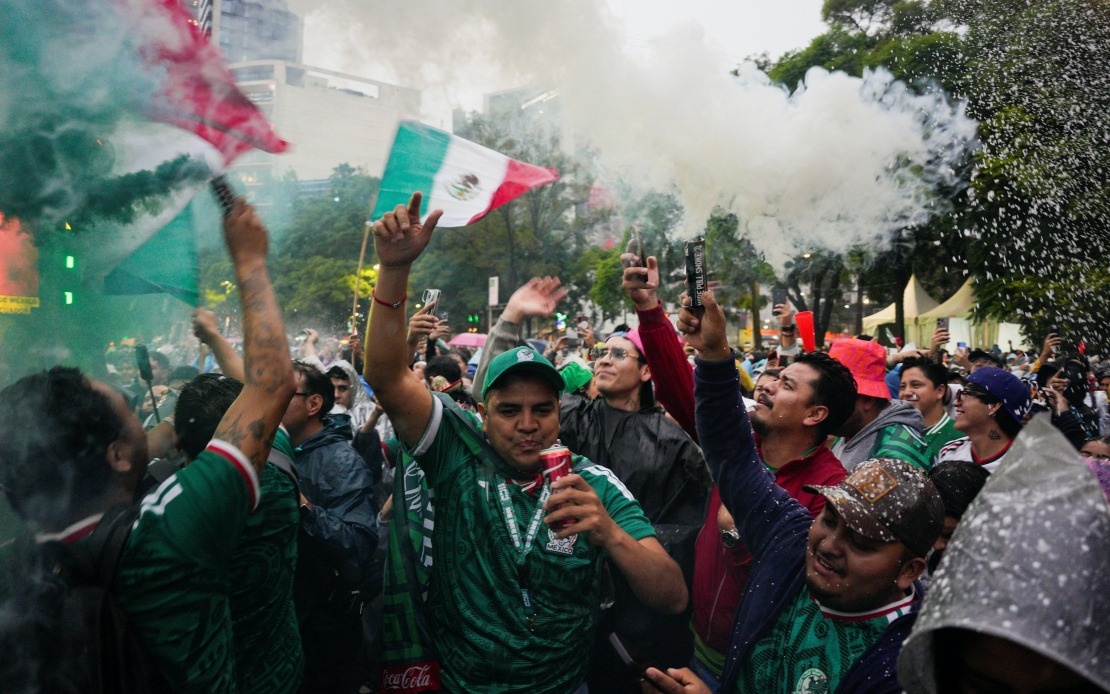
A tragic incident has marred Mexico's advancement in the World Cup, with three people losing their lives in Mexico City as jubilant fans took to the streets following the national team's qualification for the knockout rounds. The deaths occurred in the hours after Mexico defeated Ecuador 2-0 at the Estadio Azteca on Tuesday evening, a result that secured the team's place in the final 16 of the tournament. Local authorities have confirmed the identities and causes of death, highlighting the dangers that can accompany large public celebrations in densely populated urban areas.
The Mexico City Health Authority's official statement identified the three victims as a 44-year-old man, a 19-year-old woman, and a 48-year-old woman, all of whom died from asphyxiation. The fatalities occurred at different locations in close proximity to Paseo de la Reforma, Mexico City's major thoroughfare that frequently becomes the focal point for large public gatherings and demonstrations. This central location is traditionally where citizens converge to celebrate significant national achievements, making it a natural gathering point for football enthusiasts following a crucial victory.
Clara Brugada, the elected head of government for Mexico City, responded swiftly to the tragedy by issuing a statement acknowledging the deaths and expressing condolences to the bereaved families. Through her official social media account, Brugada indicated that emergency response teams had been dispatched immediately upon receiving reports of unconscious individuals at various points along the famous avenue. She emphasised that all available medical protocols had been activated in an attempt to save the victims' lives, though unfortunately the efforts proved unsuccessful.
The incident underscores the organisational and safety challenges that arise when large crowds spontaneously assemble in urban environments to celebrate sporting victories. World Cup tournaments, given their global reach and the passionate following football commands across the Americas, frequently trigger celebratory gatherings that can quickly become overcrowded and potentially hazardous. Mexico's passionate fan base and the significance of World Cup participation mean that major milestones in the competition generate particularly intense public responses.
Brugada's statement included a broader appeal for responsible celebration practices among the public. She called for citizens to engage in festivities with a heightened awareness of safety considerations and with empathy for those around them. This messaging reflects a growing recognition among government officials that while celebratory expressions are natural and important for social cohesion, they must be balanced against the need to protect public welfare. The tragedy serves as a sobering reminder of how quickly exuberant gatherings can become dangerous without proper crowd management.
Mexico's qualification for the last 16 places them in contention to face England in a Round of 16 match that would be held at the same Estadio Azteca on Sunday, should Thomas Tuchel's England side overcome DR Congo in their Wednesday fixture. The prospect of playing England at their home stadium would have been viewed as a significant opportunity for the Mexican national team, adding to the celebratory atmosphere that gripped the capital following their Ecuador victory.
The deaths highlight ongoing concerns about crowd safety during spontaneous public gatherings in major Latin American cities. Unlike organised stadium events where security protocols and capacity management are predetermined, street celebrations can escalate rapidly as more participants arrive, potentially creating dangerous overcrowding conditions. The asphyxiation deaths suggest that compression from crowd pressure may have been the contributing factor, a hazard that demands careful attention from city planners and event organisers.
For Malaysian observers and regional readers, this incident carries implications beyond Mexico's immediate situation. Throughout Southeast Asia, major sporting events trigger comparable public celebrations, and the football-loving region has experienced its own crowd-related incidents during tournaments and national team successes. The tragedy serves as a cautionary example of how even joyous occasions can result in loss of life without adequate preventive measures and crowd coordination.
Authorities in Mexico City have indicated they will be working with the families of the deceased to provide support services during this difficult period. The government's rapid response and transparent communication regarding the incident suggests an institutional commitment to investigating what occurred and potentially implementing measures to prevent similar tragedies during future celebrations.
The incident also raises questions about how sports authorities and city governments can better prepare for the spontaneous assemblies that follow major national sporting achievements. Striking a balance between allowing citizens to freely express their joy and ensuring public safety remains a complex challenge for municipal administrations worldwide. As Mexico continues in the World Cup tournament, the nation will be mourning these three lives lost while their football team pursues further advancement on the international stage.

