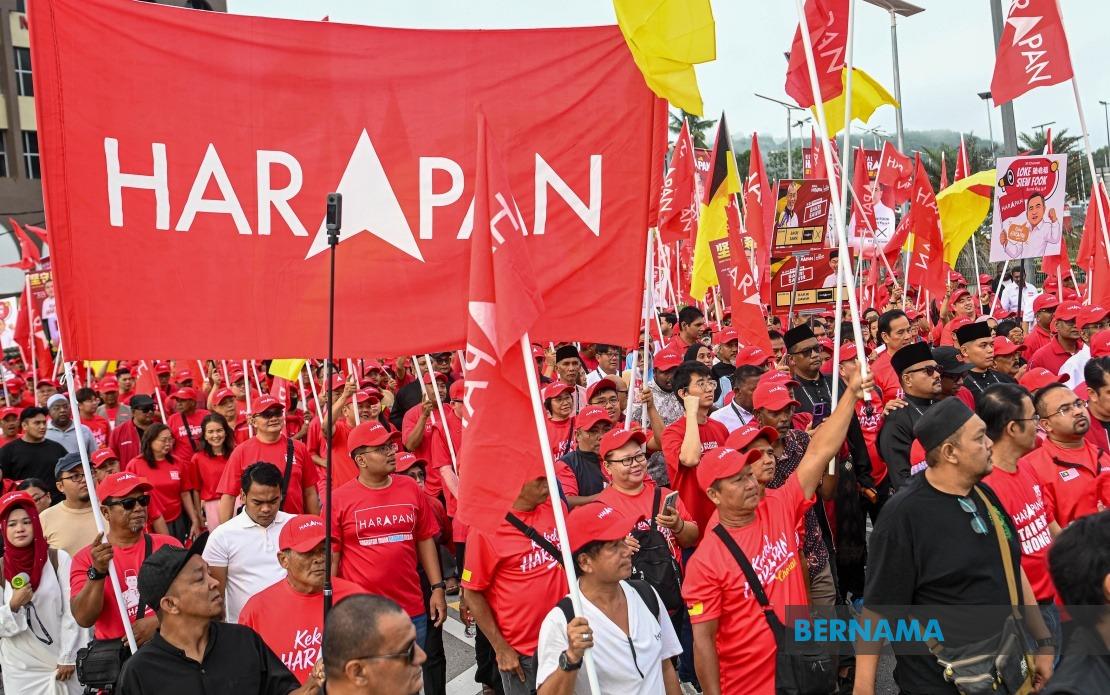
Three constituencies in Negeri Sembilan are shaping up for heated multi-party contests in the state election, with the nomination process confirming that Barisan Nasional, Pakatan Harapan and Bersatu will field candidates across Pertang, Klawang and Sungai Lui. The Jelebu Parliamentary returning officer Abdul Rahim A Aziz made the announcements on July 18 following the conclusion of nominations at Dewan Besar Kuala Klawang, setting the stage for a fragmented political battle across these three seats during the 16th Negeri Sembilan State Election.
The Pertang constituency will be contested by incumbent Datuk Seri Jalaluddin Alias representing Barisan Nasional against two challengers: Mohd Umry Abdul Khois fielded by Pakatan Harapan and Mohd Faizal Fadli Mohd Idrus standing for Bersatu. Jalaluddin's previous electoral performance demonstrated his strength in the district, having secured 5,634 votes in the last state election to comfortably defeat his Perikatan Nasional rival Amirudin Hasan by a margin of 2,844 votes. This substantial winning margin suggests the incumbent enters the contest with considerable grassroots support, though the entrance of a third candidate may complicate his path to re-election by splitting the anti-Jalaluddin vote.
The Sungai Lui seat presents an intriguing narrative, featuring an unusual element whereby two of the candidates share a history as former schoolmates. Datuk Mohd Razi Mohd Ali will contest the seat for Barisan Nasional, while Zainal Fikri Abd Kadir represents Pakatan Harapan and Mazrulhisham Abd Mansor stands as the Bersatu candidate. This constellation of candidates suggests a genuinely competitive three-way race without an obvious frontrunner, potentially creating opportunities for any of the three parties to secure the seat depending on how effectively they mobilise their respective support bases and how the opposition vote fragments.
Klawang represents another three-way battleground where the incumbent Datuk Bakri Sawir of Pakatan Harapan faces competition from Muhammad Adib Musa representing Bersatu and Danni Rais standing for Perikatan Nasional. As the sitting representative, Bakri carries the advantage of incumbency and existing voter familiarity, though Bersatu's challenge suggests dissatisfaction with the current administration among some segments of the electorate. The presence of a Perikatan Nasional candidate adds further complexity to an already crowded field, potentially allowing the winning candidate to claim victory with a relatively modest plurality if the opposition support becomes too dispersed.
The emergence of three-cornered contests across multiple constituencies reflects the increasingly fractious nature of Malaysian politics, where the traditional two-coalition framework has given way to multi-party competition. Bersatu's presence in all three seats signals the party's determination to establish itself as a significant force in Negeri Sembilan, particularly as it positions itself as an alternative to both Barisan Nasional and Pakatan Harapan. This dynamic could reshape the state political landscape depending on whether Bersatu manages to consolidate support or whether its candidates merely fragment the vote without securing substantial gains.
For Negeri Sembilan voters, these three-cornered contests present both opportunities and challenges. The increased choice theoretically allows voters to express more nuanced political preferences, but it also creates scenarios where candidates with minority support could prevail if the opposition vote splits sufficiently. This dynamic has become increasingly relevant across Malaysian elections as voter preferences have become less predictable and more fluid than in previous decades. The fragmentation of the traditional two-party system means that understanding local constituency dynamics and voter sentiment has become even more critical for predicting election outcomes.
Barisan Nasional's presence as a candidate in Pertang demonstrates the coalition's continued focus on retaining its strongholds, while its absence from Klawang and Sungai Lui suggests a strategic decision to allow other parties to contest in those constituencies. This calculus reflects broader negotiations within the coalition about seat allocation and where resources should be concentrated. Pakatan Harapan's presence across all three seats indicates confidence in its competitive position throughout the region, leveraging its performance in previous elections to build momentum heading into this contest.
The Election Commission has scheduled early voting for July 28, providing eligible voters with an opportunity to cast ballots before the main polling day on August 1. This advance voting window has become standard practice in Malaysian elections, accommodating voters who may be unable to participate on the primary election day due to work or other commitments. The staggered voting schedule also distributes electoral administrative burden and provides election officials with greater flexibility in managing voter flows across polling stations.
The Negeri Sembilan state election carries broader significance beyond the state itself, as results may influence political calculations at the federal level and affect the trajectory of various political parties heading into future electoral contests. A strong performance by Bersatu could strengthen its position within national politics, while Pakatan Harapan's performance will be scrutinised as an indicator of voter sentiment regarding the coalition's governance record. Barisan Nasional's ability to hold contested seats will determine whether it can arrest recent electoral losses and demonstrate renewed political viability in key constituencies.

