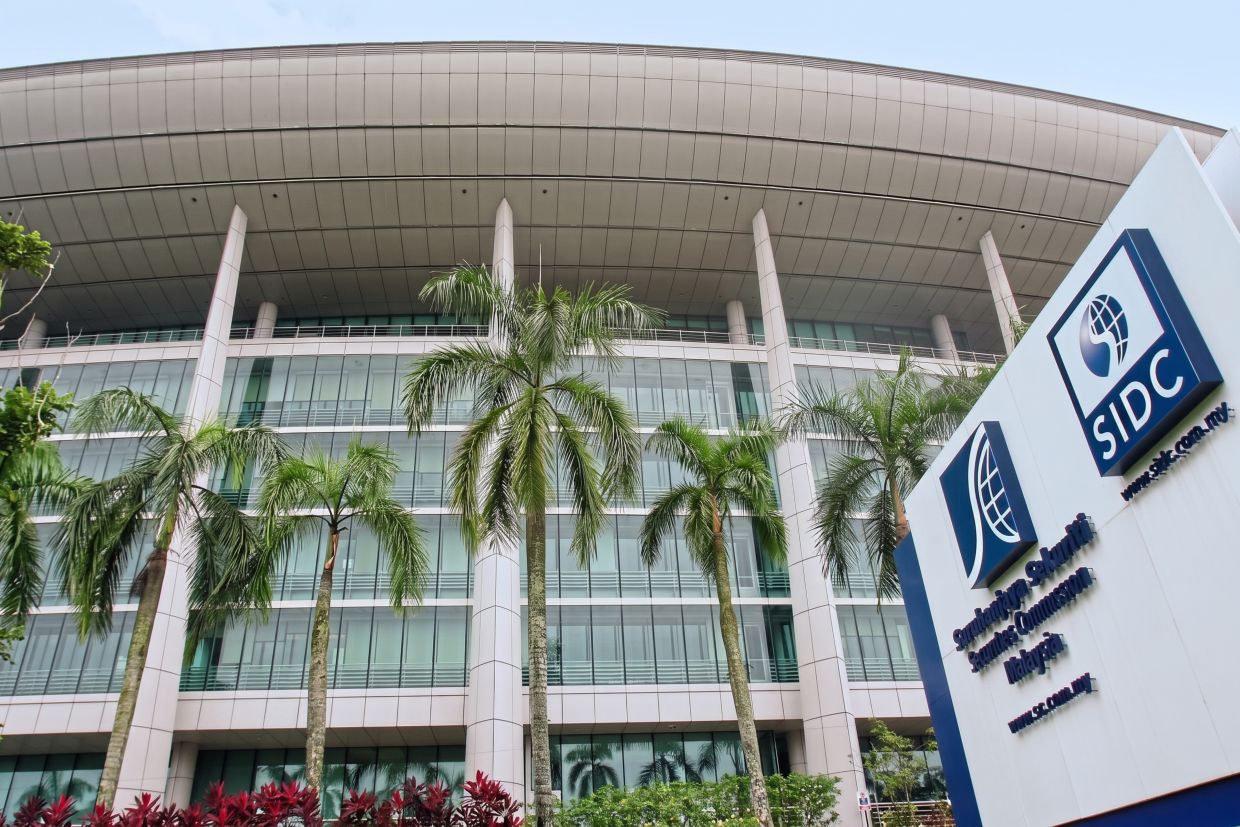
Three brothers have been brought before the courts on multiple charges relating to illegal securities trading activities, marking another significant enforcement action by the Securities Commission Malaysia (SC) against unlicensed capital market operators. Anuar Hassan, Mohd Amin Hassan, and Amir Hassan faced proceedings at three separate Sessions Courts in Kuala Lumpur, where they were each charged with various offences under the Capital Markets and Services Act 2007 (CMSA) for engaging in securities dealing without proper regulatory approval.
The enforcement action reflects the SC's ongoing efforts to police Malaysia's capital markets and protect investors from unregistered operators. The brothers' alleged illegal activities spanned multiple jurisdictions including Kuala Lumpur, Putrajaya, Selangor, and Johor during a specific eight-month window from March 2019 through October 2019. This geographical spread suggests a potentially coordinated operation across the Klang Valley and surrounding regions, raising questions about the scale of their unlicensed securities business and how many retail investors may have been affected by their conduct.
Mohd Amin Hassan faced a standalone charge under section 58(1) of the CMSA for carrying on a securities dealing business without proper authorisation. The court granted him bail at RM30,000 with two Malaysian sureties, alongside additional conditions requiring him to surrender his passport to the court and report monthly to the SC's investigating officer. These restrictive bail conditions underscore the seriousness with which the court and regulator regard the allegations and reflect concerns about flight risk or potential continued regulatory violations.
Anuar and Amir Hassan were jointly charged on two separate counts that combined breaches of the CMSA with provisions under section 34 of the Penal Code, which addresses abetment and joint liability. Each was released on RM30,000 bail with two sureties and identical reporting and passport surrender conditions. The inclusion of Penal Code provisions suggests the prosecution views their conduct as involving deliberate conspiracy or coordinated wrongdoing rather than isolated incidents, potentially indicating they worked together to establish and operate the unlicensed securities business.
Additional charges emerged against other combinations of the three brothers. Amin and Amir faced joint prosecution under section 58(1) of the CMSA read with section 34 of the Penal Code, with bail set at RM20,000 each with sureties. Amir also faced two further charges under section 58(1) of the CMSA alone with bail at RM30,000. The complexity and overlapping nature of the charges against different pair combinations suggests the SC investigation uncovered multiple distinct instances or categories of unlicensed dealing activity, possibly involving different schemes or clienteles.
Anuar and Amin faced an additional joint charge under section 58(1) CMSA read with section 34 of the Penal Code at RM30,000 bail each, while Anuar was charged separately under section 58(1) CMSA at the same bail amount. In total, the three brothers face a substantial number of charges across the three court proceedings, indicating the scope of the SC's investigation and the multiple ways in which they are alleged to have violated securities regulations. All defendants claimed trial, suggesting they intend to contest the allegations rather than seek expedited resolution through guilty pleas.
The potential penalties for conviction are severe and reflect Parliament's intent to deter unlicensed capital market activity. Each charge carries a maximum fine of RM10 million or imprisonment for up to ten years, or both sentences imposed concurrently. Given the multiple charges across all three defendants, cumulative sentences could exceed a decade of imprisonment per individual, creating significant deterrent value. These penalties are substantially harsher than many other corporate compliance violations, reflecting the distinct danger posed by unregulated securities activities to retail investors and market integrity.
Unlicensed securities dealing represents a particularly pernicious form of financial crime because it operates entirely outside regulatory oversight and investor protection frameworks. Victims of such schemes have no recourse to the SC's investor compensation scheme, cannot file complaints with regulated authorities, and face substantial delays in pursuing civil remedies. The brothers' operation during 2019 predates more recent tightening of fintech and crowdfunding regulations, suggesting they may have exploited regulatory gaps that have since been addressed through amendments to the CMSA.
The SC's successful investigation and prosecution demonstrate institutional capacity to pursue multi-jurisdictional cases involving complex structures of alleged wrongdoing. However, the eighteen-month delay between the end of the alleged criminal period in October 2019 and the commencement of court proceedings raises questions about investigation timelines and resource allocation within the regulator. Such delays, while sometimes unavoidable, can prejudice defendants' rights to fair trial and may allow other unlicensed operators to continue activities during investigation periods.
For Malaysian investors and the broader market, the case underscores the importance of verifying that any investment opportunity or securities dealer holds current SC Capital Markets Services Licence approval. The SC maintains a publicly accessible register of licensed entities, and investors are encouraged to consult this registry before committing funds. The prosecution of the Hassan brothers serves as a cautionary tale about the prevalence of unregulated operators and reinforces the value of engaging only with properly licensed intermediaries when trading securities or seeking investment advice.
The three brothers' case also highlights vulnerabilities in how unlicensed operators can accumulate sufficient client bases and transaction volumes to draw regulatory attention over extended periods. Better surveillance mechanisms, mandatory reporting by financial institutions of suspicious transactions, and enhanced cross-border information sharing between regional regulators could improve detection and intervention timing. As Malaysia continues developing its position as a regional financial hub, investor confidence depends critically on effective enforcement against such operators.

