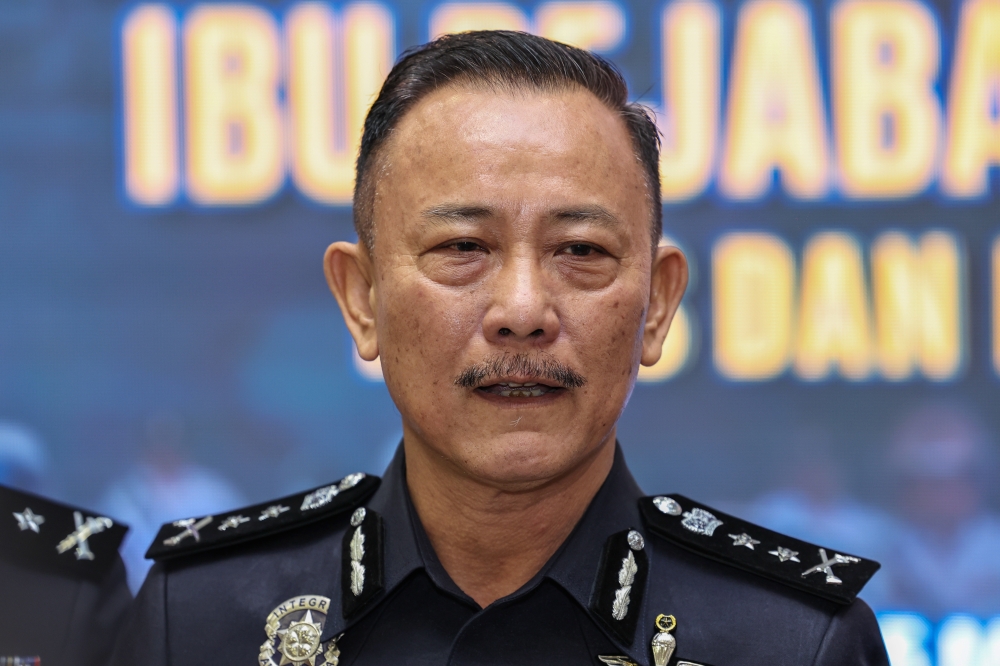
Police in Johor Bahru have arrested three men to assist in investigations following the recovery of a man's body from a river, marking a significant development in what began as a missing person case. The discovery has prompted authorities to intensify their inquiry into the circumstances that led to the man's death, with the arrests representing an important step in piecing together the sequence of events that preceded the tragic discovery.
The recovery operation itself represents the conclusion of search efforts that extended across the waterway after the man's disappearance was initially reported to authorities. The involvement of multiple suspects suggests investigators are treating the case as potentially involving criminal conduct, though formal charges have not yet been confirmed. The three men in custody are expected to provide statements and evidence that may clarify the timeline of events surrounding both the man's disappearance and his subsequent death.
For Malaysian readers, this case underscores the importance of timely reporting when persons go missing, as such notification can significantly expand search windows and recovery prospects. The Johor Bahru police district, which covers one of Malaysia's most densely populated regions, regularly handles missing person cases that span from voluntary disappearances to more serious criminal matters. The involvement of multiple arrest subjects in this instance demonstrates the methodical approach taken by local law enforcement when evidence suggests potential foul play.
The investigation's focus on securing additional information from the arrested individuals reflects standard police procedure in complex cases. Interrogations typically establish whether the suspects had direct involvement in the man's death or were witnesses to events that proved fatal. Investigators will likely be examining communications, movements, and relationships between the arrested men and the deceased to establish motive and opportunity. Such background work remains crucial even as the authorities move forward with their inquiries.
The riverine setting of this discovery is not uncommon in cases across Southeast Asia, where waterways feature prominently in investigations of unexplained deaths. Rivers in the Johor region, which form natural boundaries and transportation routes, can obscure evidence and complicate initial assessments of how deaths occurred. The condition of the body upon discovery often determines what forensic analysis can establish about the circumstances and timing of death, information that typically proves pivotal in prosecutorial strategies.
Fromp a legal standpoint, the arrest phase represents an intermediate stage in the Malaysian criminal justice process. Arrestees in this jurisdiction are entitled to be informed of the reasons for detention and have rights regarding legal representation and access to counsel. The police investigation phase is typically bounded by a specific timeframe, after which authorities must either charge suspects or release them, subject to bail considerations. This procedural architecture exists to balance investigative needs against individual rights protections.
The case also highlights broader issues surrounding personal safety in public spaces across Malaysia's urban corridors. Johor Bahru, as the capital of the southernmost peninsular state and a major commercial hub, maintains robust police resources dedicated to investigating crimes of violence. Community vigilance and rapid reporting of unusual activity have historically proven valuable in assisting law enforcement to resolve serious incidents before they escalate to fatal outcomes. The present case may prompt renewed public awareness regarding such community participation in public safety.
Investigators will likely be gathering digital evidence, including mobile phone records and surveillance footage from locations relevant to the investigation. Modern criminal inquiry increasingly depends on such materials to establish presence at particular locations and communications between individuals of interest. The riverine location where the body was discovered may yield video recordings from nearby businesses or residential properties, information that can corroborate or contradict statements provided by the arrested men.
Family members of the deceased are presumably participating in discussions with investigating officers, as their information regarding the man's recent activities, relationships, and any threats or concerns he may have expressed could prove significant. Motive in criminal cases often emerges from personal relationships or disputes, and family members frequently provide crucial context that assists investigators in understanding potential causes. The police statement regarding the arrests presumably follows preliminary investigative findings that justified taking the three men into custody.
The outcome of this investigation will carry implications for understanding patterns of violent crime affecting Malaysian communities. Statistics on such offences, when properly categorized and analyzed, inform policy discussions regarding law enforcement resource allocation and community safety initiatives. The Johor police contingent has responsibility for investigating crimes across a jurisdiction spanning over 19,000 square kilometers with a population exceeding four million residents, making their capacity to resolve serious cases dependent on efficient investigative procedures and public cooperation.
Authorities are expected to provide further updates as the investigation progresses, potentially including formal charge decisions and court appearances by the arrested individuals. The Malaysian legal framework provides for preliminary inquiry hearings at which evidence is tested before cases proceed to trial, a process that typically unfolds over ensuing weeks. Observers of Malaysian criminal justice will monitor how authorities proceed in establishing the causal chain between the arrests and the eventual determination of culpability in the man's death.

