A conversation over a mandarin orange in a hospital office in northwest England sparked a profound realisation about how communities across the world communicate affection and concern through the simple act of feeding one another. For a Malaysian doctor far from home, the gesture of a colleague offering to peel fruit revealed something significant: what feels distinctly local may be a fundamental expression of human connection found everywhere.
Through childhood and into adulthood, food has served as the primary vocabulary in which Malaysian families express their deepest sentiments. These are not elaborate dishes prepared for special occasions, but everyday gestures woven into the fabric of family life. A grandmother's patient peeling of green apples after meals, a mother's continued purchase of a favourite biscuit brand decades after her child has grown, a father's meticulous extraction of crab flesh—these small acts accumulated into a language more eloquent than words could ever be. Each gesture represented a distinct message: you matter enough for me to invest my time and attention in ensuring your comfort and nourishment.
The ritualistic nature of food-giving within Malaysian households often begins in childhood and persists throughout life, creating unbroken chains of care spanning generations. What might appear to outsiders as simple feeding practices becomes, upon closer examination, a sophisticated system of maintaining emotional bonds and affirming one's place within a family unit. A grandmother's insistence on hand-feeding a stubborn child so she could continue reading represented not merely accommodation of a child's preference, but an investment in nurturing her intellectual curiosity while ensuring her physical wellbeing. These dual commitments—to both the person's individual interests and their fundamental needs—define the depth of Malaysian family care.
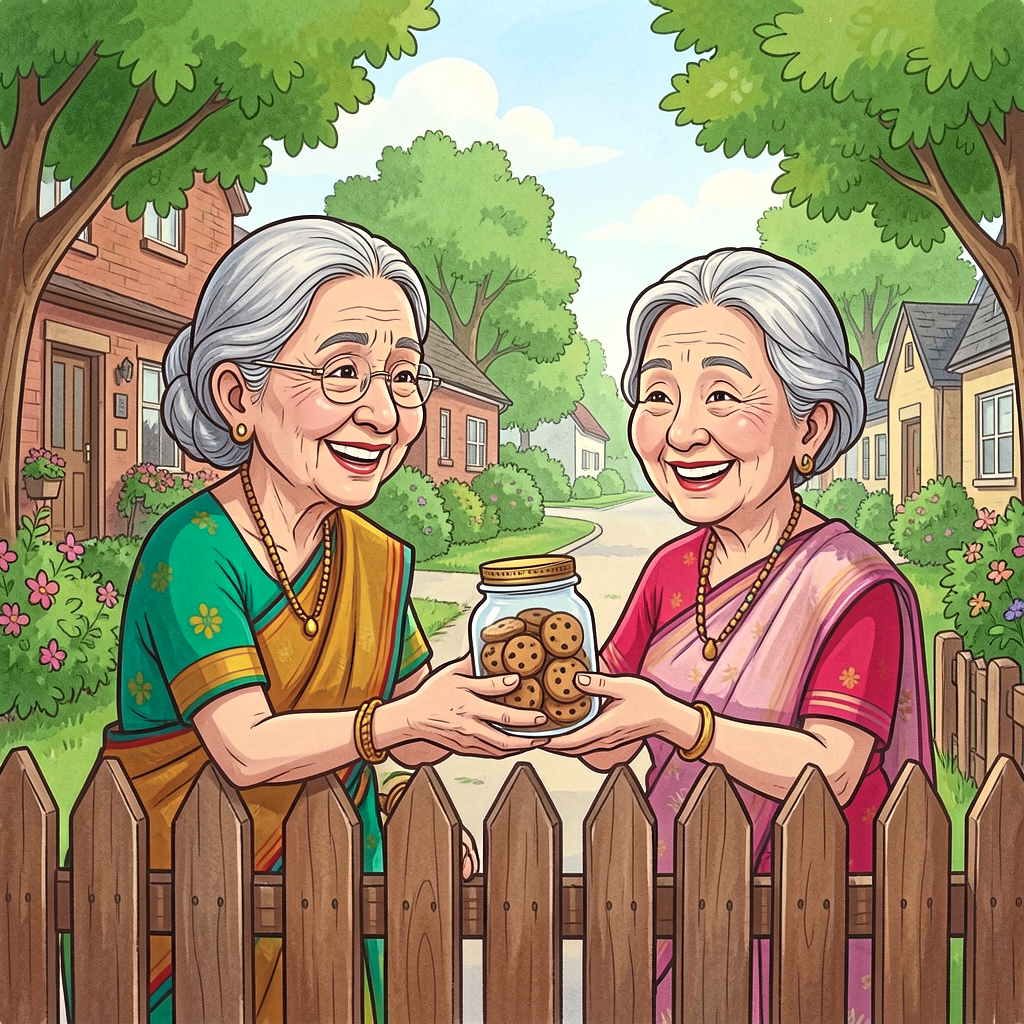
Beyond immediate family, Malaysian communities have historically extended this food-based care into neighbourhoods and across religious boundaries. The neighbourhood dynamics described through decades-long relationships demonstrate how food serves as a currency of goodwill and community maintenance. When a long-standing neighbour calls over a fence with a container of sweet upma, or when a colleague appears at the doorstep annually with homemade chocolate cake, these are not random acts of kindness but rather ritualistic reaffirmations of community bonds. The reciprocal nature of these exchanges—returning containers with thoughtfully prepared items inside—creates a sustainable cycle of mutual care that strengthens neighbourhood cohesion.
Festival seasons in multiethnic Malaysia become particularly significant sites where food-based expressions of care transcend religious and cultural lines. The annual appearance of a Malay colleague with her legendary chocolate cake during Deepavali celebrations, the return visits with mandarin oranges at Chinese New Year, the careful preparation of cookies for neighbours across different faith communities—these practices represent Malaysia's unique cultural architecture. They demonstrate how the language of food allows communities to participate in one another's celebrations and joys, creating inclusive celebrations despite distinct religious observances. For Malaysian readers, these examples resonate as recognition of a practice so normalised it often goes unexamined.
The persistent nature of these food rituals even after retirement and major life changes speaks to their deep cultural embedding. A retired colleague who continues to visit every Chinese New Year with mandarin oranges, a mother who still buys specific biscuits when her adult child returns home, an aunt who walks the neighbourhood on festival days distributing cookies—these individuals continue these practices not from obligation but from an internalised understanding that food is how care is properly communicated. The habits have become so integral to identity that they persist even when circumstances change dramatically, such as when a beloved neighbour suffers a stroke and loses the ability to cook yet remains remembered primarily through the meals she prepared.
What the doctor discovered in that English hospital office is that this communication method transcends geographical and cultural boundaries. While Malaysians may express care through specific dishes rooted in local culinary traditions, people everywhere recognise the fundamental message embedded in the act of preparing, offering, or peeling food for another person. The English colleague's offer to peel a mandarin orange conveyed the same sentiment as a grandmother's peeling of green apples—an acknowledgment of the other person's fatigue, a desire to ease their burden, and an assertion of connection. Though the culinary vocabularies differ, the grammar remains universal.
This realisation carries particular significance for Southeast Asian readers navigating increasingly globalised worlds where they may find themselves far from home, working and studying in countries with different food cultures. The recognition that care-through-food is not uniquely Malaysian but rather a human universal provides comfort while also offering validation for practices that might seem old-fashioned or unnecessary to those from cultures with different communication styles. It suggests that maintaining these practices—the insistence on ensuring loved ones have eaten well, the careful selection of food gifts, the ritual of sharing meals—connects Malaysians to a broader human heritage rather than tethering them to provincial traditions.
Moreover, this understanding has practical implications for multicultural societies like Malaysia itself. As urbanisation accelerates and traditional neighbourly relationships become less common, and as younger generations adopt faster-paced lifestyles, the deliberate maintenance of food-based care rituals becomes increasingly important. These practices serve as anchors to community and continuity in a rapidly changing society. They are mechanisms through which values of interdependence and mutual responsibility are transmitted across generations and across cultural lines. When Malaysian families continue to prepare special dishes for neighbours, when they ensure that festival seasons include gestures of food-based goodwill, they are not merely following tradition but actively reinforcing the social bonds that hold communities together.
The broader analytical insight extends beyond individual families to encompass questions about how different cultures prioritise and communicate emotional needs. Societies that treat food as a primary love language tend to develop particular strengths in community cohesion, intergenerational understanding, and cross-cultural empathy. Malaysia's multicultural composition has historically required sophisticated forms of non-verbal communication across linguistic and religious boundaries, and food has served as a crucial medium precisely because it operates without requiring shared language or religious practice. Understanding this historical function helps explain both the persistence of these practices and their continued relevance in contemporary Malaysia.
For professionals working internationally, this awareness brings another dimension: the recognition that care-language differences are not deficiencies but rather variations on universal themes. A Malaysian doctor in England, expecting perhaps a more verbally explicit expression of concern, instead encountered the same message delivered through action. This crosscultural competency—understanding that different societies encode the same human values through different cultural practices—becomes increasingly vital as workforces diversify and international collaboration increases. Malaysian professionals abroad can recognise themselves in foreign colleagues' gestures while maintaining appreciation for distinctly Malaysian approaches to care.
Ultimately, what transforms a simple conversation about a mandarin orange into a meaningful reflection is the recognition that what feels most intimately local often connects to universal human needs. The Malaysian way of expressing care through food is simultaneously deeply particular—rooted in specific culinary traditions, family histories, and cultural contexts—and profoundly universal, reflecting human instincts to nurture, to maintain bonds, and to communicate affection through tangible sustenance. In an increasingly fragmented world where digital communication threatens to replace physical presence, the persistence of food-based care practices across cultures offers hope that fundamental human connections remain resilient and recognisable across all borders.

