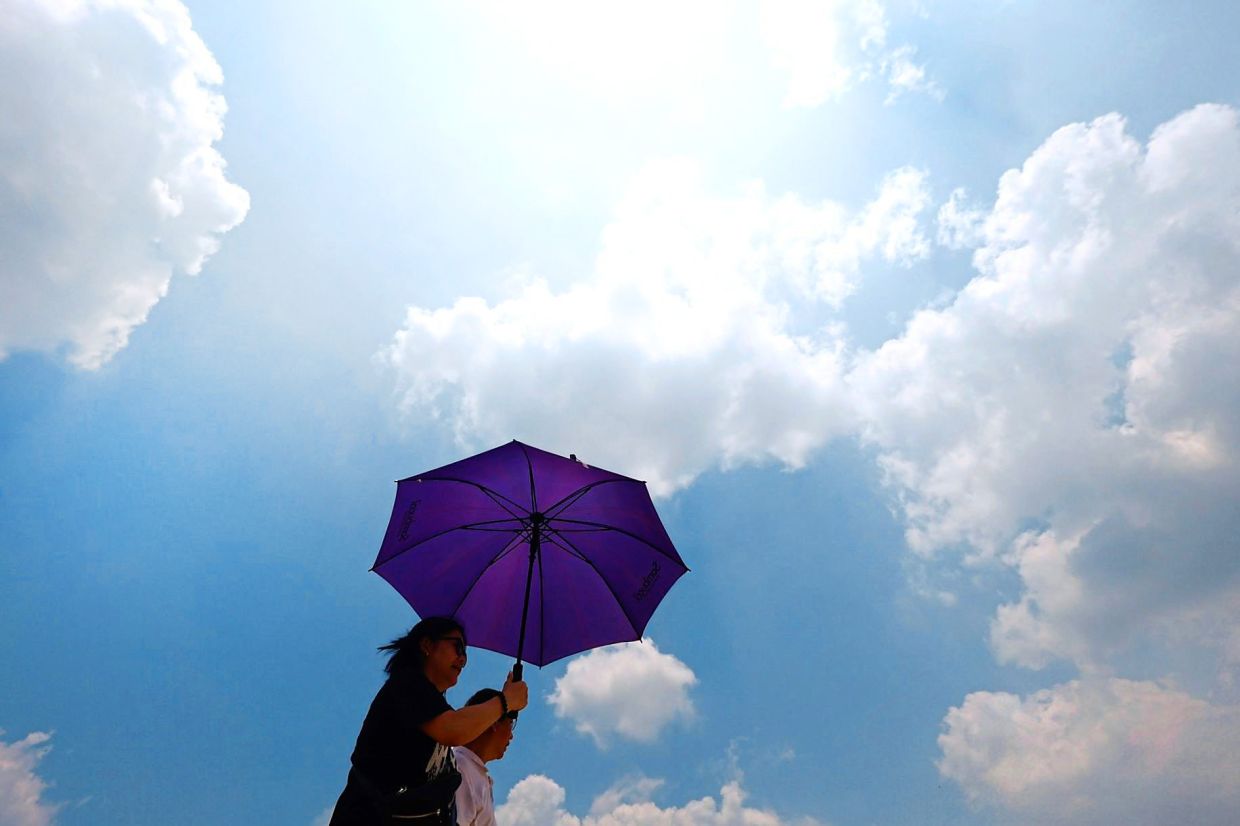
The World Health Organization delivered a sobering assessment on June 30, 2026, declaring that the summer months ahead will bring unprecedented challenges as heatwaves become recurring fixtures rather than isolated events. Following a devastating spell of record-shattering temperatures across Europe that claimed dozens of lives, WHO Europe regional director Dr Hans Kluge emphasised that communities can no longer treat extreme heat as occasional anomalies requiring emergency response. Instead, nations must prepare for seasonal heat crises that will test the resilience of populations and healthcare systems with increasing regularity.
While climate change undoubtedly intensifies heatwaves globally, a critical question emerges: can the human body physiologically adapt to these escalating temperatures? The answer is nuanced. Medical meteorologist Kathrin Graw, working with Germany's national weather service Deutscher Wetterdienst (DWD), confirms that humans possess some capacity for heat adaptation, yet this adaptation operates within narrow boundaries that remain poorly understood by the general public. This distinction between theoretical adaptability and practical limitations carries profound implications for Malaysia and Southeast Asia, regions already grappling with tropical heat and vulnerable populations.
Graw's research highlights a particularly troubling finding: the duration of a heatwave matters as much as its intensity. Extended heat exposure accumulates stress on the human body in ways that initial days of high temperatures do not. She explains that when individuals endure prolonged heat without adequate recovery—particularly when nighttime temperatures remain elevated, disrupting sleep quality—the physiological burden intensifies exponentially. This nighttime recovery is crucial; when nights fail to cool sufficiently, the body enters the next scorching day already compromised, with diminished capacity to thermoregulate effectively.
Statistical evidence from DWD research underscores the grave consequences of sustained heatwaves. Death rates among people with cardiovascular disease climb dramatically as heatwaves persist beyond a certain threshold. During the initial days of a heatwave, excess mortality in this vulnerable population reaches 8.5 percent. However, by the 11th and 12th days of continuous extreme heat, this figure skyrockets to 18 percent—more than doubling the baseline risk. This exponential increase demonstrates that human bodies possess a finite tolerance window; extended exposure overwhelms even those with moderate health resilience, making longer heatwaves exponentially deadlier.
The human body does demonstrate some short-term adaptation capacity within a single summer season. Physiological responses like improved sweating efficiency and enhanced cardiovascular stability can develop over weeks of consistent heat exposure. Weather services across Europe, including the DWD, explicitly account for this seasonal adaptation when issuing heat alerts. Significantly, they calibrate warning thresholds differently depending on the season—setting lower alert thresholds at summer's onset or following cooler periods, then adjusting upward as populations acclimate through the season. This approach reflects accumulated scientific understanding that communities need extra protection before their bodies achieve seasonal adjustment.
As climate change accelerates the frequency and intensity of heatwaves, researchers must ask whether humans might develop meaningful long-term adaptation across decades or generations. Graw notes limited evidence suggesting populations in traditionally warmer regions experience somewhat lower heat-related mortality than those in historically cooler climates. This suggests some long-term physiological or behavioural adaptation may occur. However, she emphasises that such adaptation remains constrained and cannot match the rapid pace of climate change. The critical limitation lies not in humanity's theoretical capacity for adaptation, but in the accelerating speed of environmental change itself.
The acceleration of temperature rise presents perhaps the greatest challenge to human survival. Climate change has intensified dramatically in recent years, leaving populations insufficient time to develop meaningful physiological or infrastructural responses. Graw warns that even if humans possessed unlimited adaptive capacity—which they do not—the velocity of change would outpace any natural adjustment mechanisms. The gap between warming speed and adaptation capability continues widening, creating what researchers describe as a perfect storm of heat stress.
For Southeast Asia, these findings carry immediate relevance. The region's tropical location means populations already endure temperatures that northern countries rarely experience. Yet this prior exposure offers limited protection against genuinely unprecedented heat levels. Malaysia, with its high humidity and vulnerable elderly and impoverished populations, faces compounding risks. The confluence of tropical heat, rapid urbanisation creating heat islands, and dense populations in confined spaces intensifies vulnerability beyond what simple temperature measurements suggest.
Certain populations face disproportionate danger from intensifying heatwaves. The elderly demonstrate reduced thermoregulatory efficiency, while young children lack fully developed heat-response mechanisms. Pregnant women experience compromised thermoregulation due to physiological changes, increasing risks of maternal complications. Those with pre-existing cardiovascular, respiratory, or metabolic conditions find their conditions exacerbated by heat stress. In Malaysia and across the region, where informal settlements lack adequate cooling infrastructure and healthcare access remains uneven, these vulnerable groups face dramatically elevated mortality risks.
The policy implications extend beyond individual health to regional public health strategy. Rather than assuming adaptation will solve heat challenges, governments must invest in cooling infrastructure, early warning systems, and healthcare capacity expansion. Urban planning must prioritise green spaces and water features that moderate temperatures. Workplace regulations should restrict outdoor labour during peak heat hours. Public awareness campaigns should educate populations about heat-illness recognition and response protocols that can reduce deaths even when temperatures prove unbearable.
Climate adaptation must proceed alongside aggressive mitigation efforts. While societies invest in helping populations cope with heat, they simultaneously must reduce greenhouse gas emissions to prevent further acceleration of warming. Without meaningful emissions reductions, adaptation investments become merely triage measures—buying time without addressing the underlying crisis. The WHO's warning that summers will grow harder reflects not fatalism but urgent clarity about what scientific evidence reveals.
The convergence of evidence paints a troubling picture: human bodies can adapt to heat within limits, but those limits are approaching rapidly. Heatwaves lasting longer than two weeks trigger exponential increases in mortality regardless of prior acclimatisation. Climate change accelerates temperature increases faster than human adaptation mechanisms can respond. Southeast Asian nations must treat this challenge with utmost seriousness, combining immediate protective measures with long-term climate action to prevent heatwaves from becoming routine killers.

