The physical infrastructure underpinning the artificial intelligence revolution produces a sound that residents living nearby describe as the incessant hum of machinery—sometimes resembling a helicopter frozen in place or a truck engine perpetually running. This acoustic reality has become an unexpected flashpoint in discussions about technological progress, as communities across the United States grapple with the environmental consequences of powering the digital economy.
According to a Pew Research Center analysis, the United States now operates more than 3,000 data centres with an additional 1,500 in various stages of development. These sprawling industrial facilities, which have traditionally operated largely invisibly to the public, contain thousands of servers and processors managing billions of calculations daily whilst storing enormous volumes of data. The infrastructure itself is not new—data centres have been the backbone of the information economy for decades—but the explosive growth driven by artificial intelligence applications has accelerated construction at an unprecedented pace, bringing these facilities closer to residential areas than ever before.
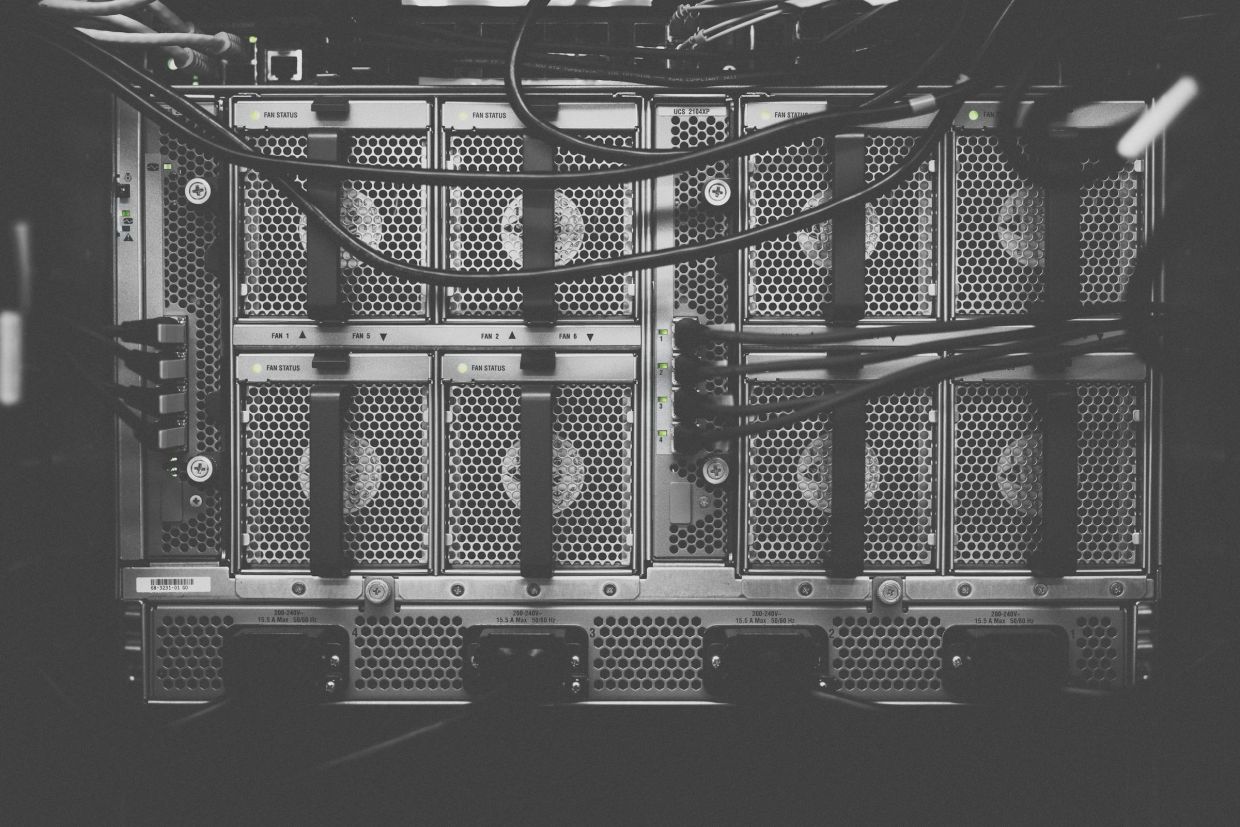
The technical challenge driving the noise problem is fundamental to how data centres function. The vast arrays of memory chips generate enormous amounts of heat that requires continuous cooling through massive industrial fans. Many facilities also rely on diesel-powered generators because the electrical grid often cannot supply the immense power demands of thousands of servers operating simultaneously. This combination of cooling infrastructure and backup power systems creates a perpetual low-frequency acoustic environment that extends hundreds of metres, and sometimes up to a mile, from the facility's boundaries.
What distinguishes modern data centre noise from traditional industrial sound is its character and frequency profile. Much of the noise emitted falls into the infrasound range—frequencies so low that humans cannot consciously hear them. Rather than experiencing these ultralow vibrations as sound, residents physically feel them as pressure fluctuations against their bodies, comparable to the deep bass vibration of a subwoofer at a concert. This distinction proves critical because traditional noise measurement and mitigation strategies, which were developed to address audible sounds, prove ineffective against infrasound. Les Blomberg, executive director of the nonprofit Noise Pollution Clearinghouse, observes that the acoustic footprint of modern data centres represents a fundamentally different phenomenon in scale and character.
The health impacts reported by residents living near data centres are both real and severe. Chronic sleep deprivation, insomnia, tension headaches, a persistent sensation of pressure in the inner ear, and elevated anxiety levels constitute a pattern of complaints among affected communities. Because infrasound operates below the threshold of conscious hearing, many residents initially struggle to identify the source of their deteriorating health, compounding the psychological stress of living in an environment they cannot fully comprehend. The neurological effects of prolonged exposure to infrasound remain an area requiring further research, yet the accumulating testimony from residents suggests a public health dimension that extends beyond mere noise nuisance.
The regulatory framework governing data centre operations reveals a fundamental gap in environmental protection. Noise pollution regulation occurs almost entirely at the municipal level through zoning ordinances that were written decades ago to address temporary disturbances such as block parties, barking dogs, or construction activities. These local regulations were never designed to accommodate the round-the-clock industrial operations of modern data centres. At the federal level, meaningful regulatory oversight essentially vanished in the early 1980s when the Reagan administration defunded the Environmental Protection Agency's Office of Noise Abatement and Control. According to Richard Neitzel, a professor of environmental health sciences at the University of Michigan, the political decision to eliminate federal noise oversight was framed as preventing government overreach, with critics arguing the EPA should not regulate everyday sounds like lawn mowers. This ideological position, made four decades ago, now leaves communities without adequate federal protections against a technological threat that did not exist at the time.
Three communities have now turned to the courts in search of remedy. In Vineland, New Jersey, homeowners filed a federal lawsuit against DataOne USA, which operates three server rooms in the area and plans to expand substantially. According to the complaint, the constant mechanical noise is particularly disruptive at night, with residents describing the sound variously as a permanently hovering helicopter or an endlessly idling heavy truck. Upon completion, the DataOne facility will encompass 2.6 million square feet and require 300 megawatts of electrical power—equivalent to the energy consumption of a medium-sized city. The expansion compounds residents' concerns about the acoustic environment they will inhabit indefinitely. Similar litigation has emerged in Dowagiac, Michigan, where a 30-megawatt data centre operates in a repurposed industrial building previously used for boat and recreational vehicle storage, and in Lowell, Massachusetts, where comparable noise issues have triggered legal action.
These lawsuits represent more than simple neighbour disputes over sound levels. The plaintiffs argue that although data centres may technically comply with existing zoning codes, the constant auditory and vibrational presence causes measurable economic damage through property value depreciation and eliminates the quiet enjoyment of private residences—a concept long embedded in property law across common law jurisdictions. Residents are seeking compensation for documented losses and demanding that operators implement enhanced sound mitigation measures. The economic argument they advance is straightforward: if the data centre derives commercial benefit from its location and operations, the costs of environmental mitigation should not be borne entirely by neighbouring property owners who derive no benefit from the facility.
Data centre operators respond to these complaints by emphasizing their commitment to noise reduction and their broader economic contributions to local communities. DataOne stated that it has already implemented measures to reduce noise and will continue doing so as expansion proceeds, characterising itself as committed to constructive dialogue and responsible community membership. The companies operating affected facilities in all three lawsuit jurisdictions emphasise job creation and economic stimulation resulting from their presence. This tension—between the legitimate economic benefits that data centres generate through employment and tax revenue, and the very real quality of life costs imposed on neighbouring residents—reflects a deeper challenge in how societies distribute the costs and benefits of technological infrastructure.
For Malaysia and Southeast Asia, these American legal battles carry significant implications. The region's rapidly growing technology sector and increasing attractiveness as a data centre destination means that similar conflicts will likely emerge domestically. Countries offering favourable regulatory environments and lower operational costs than North America may find themselves hosting data centre expansion that generates comparable acoustic and health impacts. Malaysian municipalities, lacking comprehensive noise regulations originally designed for industrial-scale computing facilities, may face pressure from both technology companies seeking operational flexibility and residents seeking protection from environmental harms. The question of how to balance technological advancement with environmental quality and public health will become increasingly urgent across the region.
The broader significance of these conflicts extends beyond noise itself. The expansion of data centre infrastructure, accelerated by artificial intelligence applications, represents a profound shift in how computing resources are distributed geographically. Unlike software, which travels instantly across networks, the physical infrastructure required to process and store data must be located somewhere—and that somewhere inevitably has human neighbours. As demand for AI computing power continues expanding, the tension between the invisible digital economy and its very visible physical footprint will intensify. Communities will increasingly demand meaningful participation in decisions about whether and how industrial computing facilities develop near their homes.

