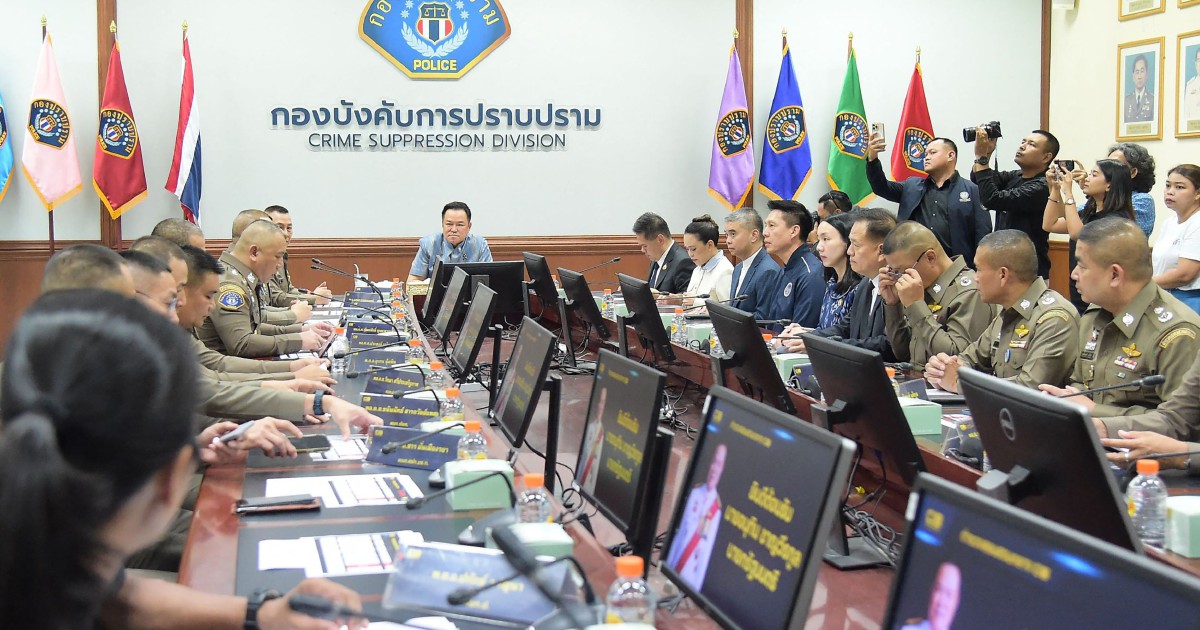
A sprawling examination fraud scandal has engulfed Thailand's civil service, with authorities announcing Thursday that they intend to suspend nearly 6,000 officials found to have cheated on civil service qualification exams. The suspension orders represent one of the largest disciplinary actions against the Thai bureaucracy in recent years, reflecting the scale of the scheme that investigators continue to unravel. Three individuals have already been arrested as authorities expand their inquiry into what appears to be a systemic breach of the examinations used to assess competence and suitability for public sector roles.
The scope of the investigation has expanded considerably since initial allegations emerged, with officials now examining how candidates gained unauthorised access to examination materials and what safeguards failed to prevent such widespread participation. Thai authorities have not yet disclosed the full extent of involvement across different government agencies, though the sheer number of suspended personnel suggests the problem extends beyond a single ministry or department. The cheating appears to have been facilitated through coordinated efforts rather than isolated incidents, pointing to potential organisational structures designed to circumvent examination protocols.
For Malaysia and the broader Southeast Asian region, Thailand's predicament serves as a cautionary example of how institutional vulnerabilities can undermine public administration credibility. Civil service examinations form the backbone of meritocratic governance across the region, and their integrity directly affects public confidence in government institutions. When such systems are compromised at scale, it creates a cascading loss of faith not only in the officials themselves but in the mechanisms meant to ensure the public sector operates on the basis of competence rather than connections.
The timing of the scandal is particularly significant given Thailand's ongoing efforts to strengthen institutional governance following years of political turbulence. Rebuilding public trust requires demonstrable commitment to accountability and transparency, making this enforcement action both necessary and symbolically important. However, the sheer number of officials implicated also raises questions about whether systemic failures in examination administration created conditions conducive to widespread cheating, or whether individual actors exploited existing weaknesses in oversight.
Thailand's civil service has long grappled with concerns about politicisation and patronage networks that can undermine merit-based advancement. Examination systems were designed partly to create objective criteria for recruitment and promotion, establishing a counterweight to these traditional power structures. The revelation that thousands could circumvent such examinations suggests that either the testing infrastructure was insufficient or that networks facilitating cheating operated with inadequate detection mechanisms. Investigators will likely need to determine which factor predominated.
The three arrests already made indicate that authorities are pursuing criminal liability alongside administrative sanctions. This two-pronged approach signals that Thai officials view the matter as serious enough to warrant prosecution, not merely disciplinary action. The individuals arrested presumably had roles in either distributing examination information, coordinating cheating, or providing answers—roles that would constitute criminal conduct rather than mere candidate misconduct. The investigation may eventually reveal organised networks operating across multiple government departments.
For civil servants across Southeast Asia, Thailand's scandal underscores the persistent vulnerability of examination systems to coordinated manipulation. Many regional governments have implemented digital examination platforms in recent years, intended to improve security and reduce opportunities for cheating. However, the Thai case suggests that technological safeguards alone are insufficient without accompanying improvements to monitoring protocols, examiner training, and institutional checks and balances. The region's civil service academies and human resources offices will likely review their own examination procedures in light of these developments.
The suspension of 6,000 officials creates immediate practical challenges for Thai government operations. Finding replacements or redistributing workloads across remaining staff requires careful planning, particularly for critical functions. This operational disruption represents a real cost of the cheating scandal beyond the reputational damage it inflicts. Agencies may need to accelerate recruitment of new personnel or implement temporary arrangements while suspension processes proceed and determinations are made about individual cases.
Thailand's response to this scandal will significantly influence how Southeast Asian governments approach civil service integrity going forward. If Thailand demonstrates genuine commitment to thorough investigation, fair disciplinary procedures, and systemic reform of examination protocols, it could establish a model for addressing similar vulnerabilities elsewhere in the region. Conversely, if the process becomes mired in political considerations or selective enforcement, it may deepen public cynicism about whether such systems can ever function impartially. The credibility of Thai governance reform more broadly may depend on how comprehensively and fairly authorities handle this crisis.
The investigation continues to expand as officials interview suspects and review examination records dating back several years. Determining the complete scope of the cheating scheme and identifying all participants will require sustained investigative effort. Additional arrests are likely as the probe deepens, and the final suspension figures may exceed the currently announced 6,000 if ongoing inquiries uncover further evidence of systematic misconduct. This protracted process will keep institutional governance questions in the public eye throughout the coming months.

