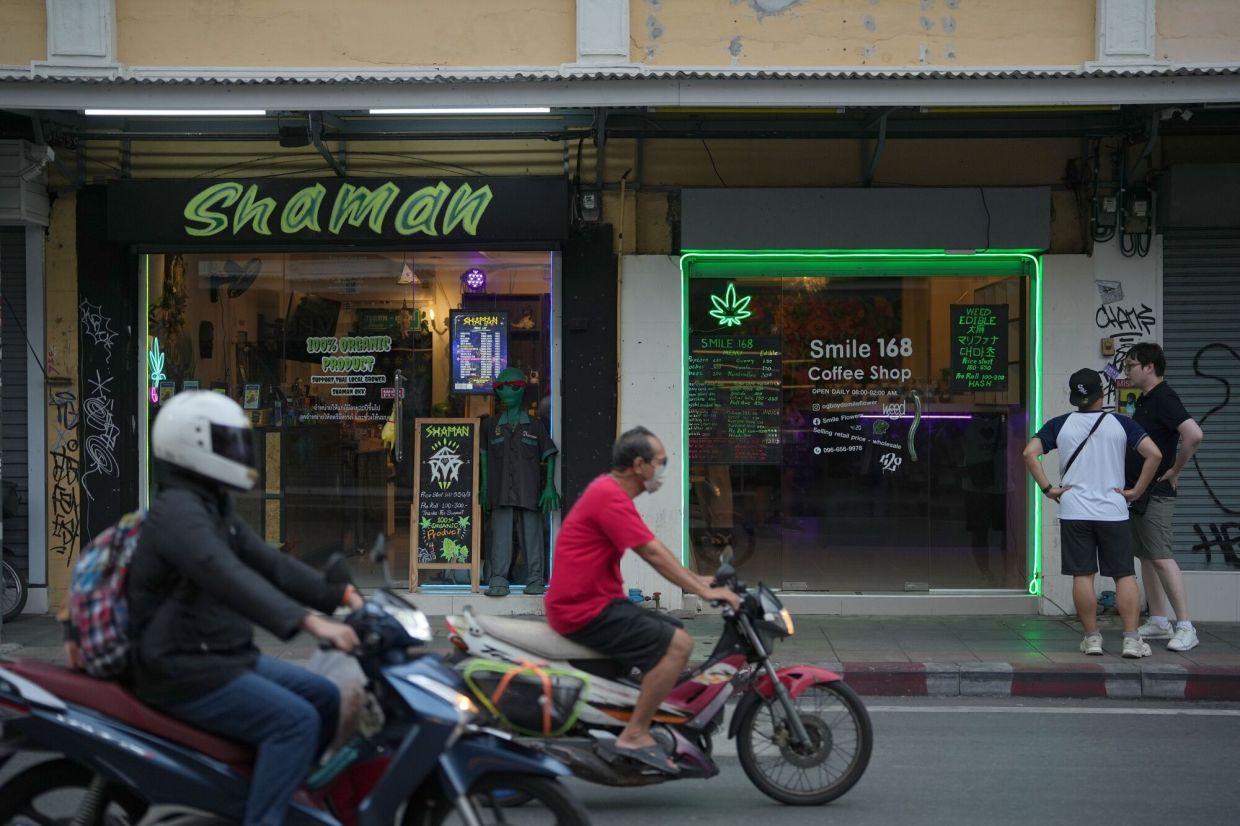
Thailand is moving forward with comprehensive cannabis legislation designed to eliminate recreational use and establish rigorous controls over the supply chain, according to Public Health Minister Pattana Promphat. The government's push reflects mounting concerns over regulatory gaps that have allowed unauthorised sales to proliferate and cannabis to be illegally exported, undermining Thailand's international standing on narcotics control.
The draft Cannabis and Hemp Control Act represents a fundamental shift in how the kingdom manages cannabis cultivation, distribution, and sale. Unlike the current regulatory framework, which relies on the Act on the protection and promotion of herbs and various ministerial directives that govern sales and extraction but lack authority over cultivation, the new legislation would establish oversight from the initial growing stage through final dispensing. This comprehensive approach aims to close loopholes that have enabled the proliferation of informal markets and unaccountable operators.
Pattana confirmed that the Bhumjaithai Party, a coalition partner with influence over health policy, and the government are aligned on permitting cannabis exclusively for therapeutic applications. The draft bill has already completed public consultation and awaits parliamentary deliberation, though it failed to reach discussion in the current legislative session. Once enacted, the legislation would establish strict penalties for violations, signalling the authorities' determination to enforce the medical-only framework rigorously.
A critical vulnerability has emerged through illicit exports, where cannabis produced in Thailand reaches markets abroad where it retains illegal status. The minister acknowledged that though cannabis is decriminalised domestically, it remains classified as a narcotic substance in many destination countries. The government has begun tightening controls at export points by requiring the Department of Thai Traditional and Alternative Medicine to coordinate with the Customs Department and Airports of Thailand. Recent measures include transitioning from physical to electronic licensing, which creates digital audit trails that are harder to forge than the fake credentials previously exploited by smugglers.
Despite these improvements, enforcement challenges persist. Officials acknowledge that when volumes are substantial, some shipments may evade detection despite enhanced border protocols. This vulnerability underscores the tension between Thailand's domestic decriminalisation policy and its international obligations to prevent drug trafficking, a concern particularly acute for neighbouring countries like Malaysia that view cannabis liberalisation with apprehension regarding cross-border flows.
The scope of Thailand's regulatory problem is staggering. Since 2023, approximately 18,000 cannabis outlets have operated across the country, with roughly one-third already having expired licences by the end of that year. Only about 1,500 renewed their permits, leaving an estimated 6,000 unregistered outlets operating illegally nationwide. Licences are granted for three-year periods, with an additional 6,000 outlets facing expiration during 2026 and 2027, suggesting the problem will intensify without aggressive enforcement.
The government is mobilising substantial resources to address this enforcement gap. The Ministry of Public Health has ordered a significant expansion of authorised inspection personnel, including police and local administrative bodies, bringing the capacity to tens of thousands. The Department of Thai Traditional and Alternative Medicine has established a comprehensive registry listing all properly licenced outlets with GPS coordinates and expiration dates published online. Any establishment not appearing on this database is automatically considered unlicensed, providing legal grounds for immediate enforcement action against operators and managers.
Legitimate cannabis retailers will face stricter operational requirements under amended ministerial regulations. Licensed outlets must restructure as medical facilities with attending physicians to supervise all dispensing and verify that purchases align with genuine therapeutic need. This requirement directly targets a common workaround where individuals repeatedly purchase cannabis without medical justification, suggesting recreational intent. Facilities must now implement monitoring systems that trigger investigations if suspicious purchasing patterns emerge, establishing accountability mechanisms virtually absent under the current system.
The distinction between registered and unregistered operators has become legally and practically significant. Properly licensed businesses must comply with the enhanced medical facility framework or face closure and penalties. Conversely, shops that opened without seeking authorisation and operate as recreational outlets face immediate enforcement and criminal charges. This binary classification creates strong incentives for informal operators to either formalise or cease operations, though critics question whether aggressive tactics will simply push markets further underground rather than eliminate recreational consumption.
The legislative and enforcement trajectory reflects broader Thai government ambitions to regain credibility on drug control internationally while managing domestic constituencies that have embraced cannabis legalisation for perceived health benefits. However, the approach also reveals tensions inherent in partial decriminalisation. By permitting medical cannabis while criminalising recreational use, Thailand has created artificial market distinctions that users and retailers can circumvent through misrepresentation, a problem evident in the proliferation of unlicensed outlets claiming therapeutic purposes.
For Malaysia and other Southeast Asian nations, Thailand's experience offers instructive lessons. The rapid expansion of unlicensed cannabis retailers demonstrates how regulatory frameworks lacking enforcement capacity become mere theatre, with actual markets operating beyond state control. The cross-border dimension—cannabis produced and consumed in Thailand reaching Malaysian and other regional markets—poses security concerns that individual nations cannot address without coordinated approaches. Thai officials have indicated that returning cannabis to narcotics status remains possible, though completion of the control bill is a prerequisite, suggesting the current policy framework is provisional rather than settled.
The pharmaceutical and therapeutic medicine industries have stakes in how this regulatory evolution unfolds. Legitimate medical cannabis producers, researchers, and distributors seeking formal credentials face uncertainty about whether current licences will translate into legal status under future legislation. International pharmaceutical companies considering involvement in Thai medical cannabis markets must navigate an evolving political and regulatory landscape shaped by coalition politics rather than consistent policy consensus. These commercial dimensions add complexity to what superficially appears as straightforward public health regulation.

